Innovative Technologies Reshaping Business Management and Logistics

The landscape of business management has undergone a remarkable transformation, largely driven by the rapid advancement of technology. In your own business, you’ve likely observed how technological tools and solutions have revolutionised various aspects of management and operations. From streamlined communication channels to more efficient workflows, integrating modern technology is no longer a luxury but a necessity for staying competitive in today’s market.
This shift has improved operational efficiency and opened up new avenues for innovation and growth. As a business leader, keeping up with these technological trends is crucial for the continuous development and success of your company. This article delves into the various ways technology is reshaping the way businesses manage their operations and logistics, offering insights into how you can leverage these advancements to benefit your own enterprise.
Big Data Analytics is Driving Business Strategy
Understanding your customers and market trends is crucial. Big data analytics plays a pivotal role in providing these insights. By analysing large volumes of data, your business can uncover patterns and correlations that were previously hidden. This information is invaluable in shaping strategic decisions, enabling you to tailor your products and services more effectively to meet customer needs and preferences.
Having the ability to predict market trends, customer behaviours, and potential risks with a high degree of accuracy can be a powerful advantage. Big data analytics makes this possible. By leveraging this technology, you can make informed decisions that drive growth and innovation in your business. It’s not just about collecting data; it’s about translating it into actionable insights that can give your business a competitive edge.
Additionally, this approach allows for more personalised customer experiences. By understanding customer interactions and feedback, you can refine your offerings to better align with their expectations. This results in improved customer satisfaction and loyalty, which are key drivers of long-term business success.
Enhancing Supply Chain Efficiency with IoT
The integration of IoT (Internet of Things) technologies in supply chain management is revolutionising how businesses monitor and optimise their operations. In your enterprise, the implementation of IoT can lead to significant improvements in efficiency and transparency. By embedding sensors and smart devices across various stages of the supply chain, you can gain real-time visibility into every aspect of your product’s journey. This level of monitoring enables you to track goods from manufacturing through to delivery, ensuring that every step is executed optimally.
IoT technology also plays a crucial role in predictive maintenance. By monitoring equipment performance and anticipating potential breakdowns, you can proactively address issues before they cause significant disruptions. This not only reduces downtime but also extends the lifespan of your equipment.
The data collected through IoT devices can be analysed to identify inefficiencies and bottlenecks within your supply chain. With this knowledge, you can make informed decisions to streamline processes, reduce waste, and enhance productivity.
Incorporating IoT into your supply chain management is not just about keeping up with technological advancements; it’s about actively seeking opportunities to optimise your operations, reduce costs, and improve customer satisfaction through enhanced reliability and speed of delivery.
Optimising Logistics and Reducing Environmental Impact
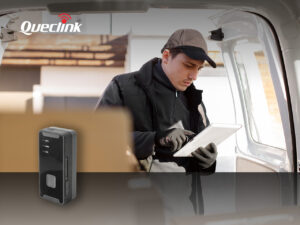
The environmental impact of your logistics is going to be an important factor as we move through the 2020s. Advanced fleet tracking systems offer a dual benefit: enhancing logistical efficiency and reducing your carbon footprint. By implementing GPS fleet tracking systems, you can gain precise control over your fleet operations, leading to more efficient route planning, reduced fuel consumption, and lower emissions.
Such tracking systems also contribute to better maintenance scheduling, ensuring that vehicles are running at peak efficiency. This not only prolongs the life of your fleet but also minimises its environmental impact. In an era where customers are increasingly conscious of the ecological footprint of their choices, showcasing your commitment to sustainability can also bolster your brand’s reputation. Adopting these technologies not only positions your business as a forward-thinking entity but also aligns it with broader global efforts towards sustainability.
The Impact of Cloud Computing on Business Operations
Cloud computing has revolutionised how you manage and store your business data. Its most significant advantage is accessibility; your team can access files and applications from anywhere, fostering a more flexible and efficient work environment. This technology has made it easier to collaborate in real-time, regardless of geographical barriers, which is particularly beneficial in today’s increasingly remote and globalised business world. Cloud computing offers scalable solutions that adapt to your business’s growing needs.
Whether you’re expanding your data storage capabilities or need more computing power, cloud computing can accommodate these changes without the need for significant upfront investments in physical infrastructure.
Security is another critical aspect. Cloud providers invest heavily in securing their platforms, offering robust protection for your sensitive business data. This level of security is often more advanced than what a typical business could afford to implement independently. Cloud computing also contributes to cost savings. It eliminates the need for expensive hardware and maintenance, replacing them with more manageable subscription-based models. This shift not only reduces your capital expenditure but also turns IT spending into a more predictable operating expense.
The Blockchain in Business
Blockchain technology, often associated with cryptocurrencies, has far-reaching implications for your business beyond digital currencies. At its core, blockchain offers a decentralised and secure ledger system, making it ideal for transparently recording transactions and data. In supply chain management, for instance, it can provide an unalterable record of product journeys, from manufacture to sale, ensuring authenticity and traceability.
In contracts and legal agreements, blockchain can be pivotal. Smart contracts, self-executing contracts with terms directly written into code, offer a new level of efficiency and security. They execute automatically when conditions are met, reducing the need for intermediaries and lowering the risk of disputes.
Blockchain technology can be a powerful tool for protecting intellectual property rights and securely managing customer data. Its ability to create immutable records ensures that sensitive information remains unaltered and traceable, fostering trust between you and your customers.
The adoption of blockchain technology in your business operations can also streamline processes and reduce costs. By reducing reliance on centralised systems and intermediaries, transactions become faster and more cost-effective. This technology is not just a trend; it’s a strategic tool that can enhance various aspects of your business operations.
There are many unique technological innovations offering opportunities to enhance your business operations. Whether it’s through the efficiency of cloud computing, the precision of big data analytics, or the security and transparency of blockchain, these technologies have the power to transform the way you do business.
Your role in this evolving digital era is not just to be aware of these technologies but to strategically implement them in your business practices. This proactive approach is not just about keeping up with trends; it’s about setting your business apart, and ensuring it remains competitive and resilient in a rapidly changing world.
Technology is a tool, and like any tool, its value lies in how you use it. By integrating these innovative solutions into your business model, you are not just streamlining your operations; you are also enhancing your customer experience, building a stronger brand, and paving the way for sustainable growth and success.