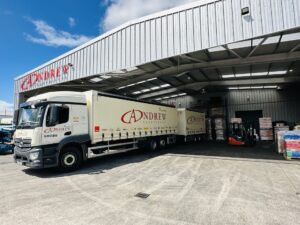
The Integral Role of Fleet Management Systems in UK Businesses

In an era where efficiency and sustainability are at the forefront of business operations, the utilisation of advanced technological solutions has become a necessity for companies across the United Kingdom. Among these, Fleet Management Systems (FMS) have emerged as pivotal tools for businesses that rely on transportation and logistics. These systems not only streamline operations but also enhance productivity, reduce costs, and contribute to environmental sustainability.
Revolutionising Logistics Through Technology
The advent of fleet management systems has marked a significant shift in how businesses manage their vehicle fleets. Traditionally, fleet management involved a considerable amount of manual work, including tracking vehicles, scheduling maintenance, and managing drivers. However, with the integration of a fleet management system, businesses can automate these tasks, leading to a more efficient and effective operation.
This technological solution enables real-time tracking of vehicles, automated maintenance alerts, and enhanced route planning, among other features. As a result, companies can optimise their fleet’s performance, reduce downtime, and significantly cut operational costs.
Enhancing Efficiency and Compliance
One of the paramount benefits of implementing an FMS is the substantial improvement in operational efficiency. By providing real-time data on vehicle location, speed, and fuel consumption, businesses can make informed decisions that optimise fleet utilisation and reduce unnecessary expenditures. Moreover, these systems play a critical role in ensuring compliance with regulatory standards.
The UK’s stringent transportation regulations necessitate meticulous record-keeping and reporting. Fleet management systems automate these processes, ensuring that businesses remain compliant with laws regarding emissions, driving hours, and maintenance schedules, thereby mitigating the risk of legal issues and fines.
Sustainability and Environmental Responsibility
In the current climate-conscious world, businesses are increasingly held accountable for their environmental impact. Fleet management systems offer a pathway to sustainability by enabling companies to monitor and reduce their carbon footprint. Through efficient route planning and vehicle performance monitoring, FMS can significantly reduce fuel consumption and emissions. This not only benefits the environment but also enhances the company’s reputation as a responsible and sustainable business.
The Economic Implication and ROI
The economic benefits of fleet management systems cannot be overstated. By reducing operational costs, improving efficiency, and minimising downtime, FMS provides a tangible return on investment. Furthermore, the data collected by these systems can be analysed to identify trends and areas for improvement, enabling businesses to make strategic decisions that further enhance profitability and competitiveness in the market.
As technology continues to evolve, the potential of fleet management systems in transforming UK businesses is boundless. With the advent of AI and machine learning, these systems are set to become even more intelligent, offering predictive analytics for maintenance, optimising routes in real-time based on traffic and weather conditions, and even integrating with smart city infrastructures. The future of fleet management in the UK is not just about managing vehicles more efficiently but transforming the entire logistics and transportation landscape.
Are We Near A Sustainable Future?
The role of fleet management systems in UK businesses is both transformative and multifaceted. By harnessing the power of technology, companies can achieve unprecedented levels of efficiency, compliance, and sustainability. As we move forward, the integration of advanced technologies with FMS will further revolutionise the transportation and logistics sector, steering UK businesses towards a more sustainable and profitable future. The journey towards this future is not just about adopting new technologies but embracing a new way of thinking about mobility and environmental responsibility.