How to Reduce Gas Consumption in Your Business

Natural gas is still one of the world’s most essential, widely used forms of energy. It’s used in many businesses to this day, even as the Western world makes efforts to transition toward more low-carbon sources of energy. It’s used significantly in the food & beverage, chemical supply, mechanical engineering and construction industries, among many others. However, even with gas as essential as it is, many companies are curious about how to reduce gas consumption (and bills), especially amid the global energy crisis.
This article offers some insights into how businesses can reduce the gas bill they see at the end of the month, while also supporting lower-carbon strategies.
Properly monitoring your gas consumption
Reducing your gas consumption needs to start with proper monitoring and understanding. This means conducting an energy audit, in which you assess your current usage habits, identity areas of waste and determine specific improvement steps.
Some smart ways to do this include:
- Installing smart meters to track real-time data from your business space
- Contacting your business gas suppliers to see if they’ll offer you an audit themselves
- Analysing historic bills and data in comparison with activity and market prices
Understanding how to optimise HVAC systems
Heating, ventilation and air conditioning systems are some of the most significant consumers of gas in any business setting. Optimising them is an effective way to ensure your company isn’t wasting energy keeping the setting warm or cool. If the systems and boilers are faulty or inefficient, you’re much more likely to overconsume gas.
Some tools and techniques for optimisation include:
- Regular servicing and maintenance by a qualified engineer
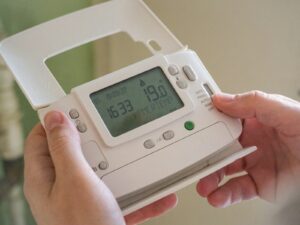
- Smart thermostats or controls, such as occupancy sensors and seasonal changes
- Zone heating and cooling to avoid excessive use in unnecessary areas of the business
- Determining lower and higher comfortable room temperatures in winter and summer, to reduce energy usage from the HVAC systems
- Investing in better insulation on walls, roofs, floors and around windows, as well as pipe and tank insulation
Improve your equipment efficiency
Enhancing equipment efficiency, much like with HVAC, can be essential if figuring out how to reduce gas bill figures. New purchases should always be prioritised by high-energy efficiency ratings, such as those with strong Energy Performance Certificates (EPC), although this can result in significant investment requirements. Again, make sure to check for signs of service necessity, looking for leaks or other elements of damage. The size of the equipment is also important, as larger devices generally use more energy, which might not be essential.
Employee engagement & behaviour strategies
It’s not just about practical, technological developments. It’s also vital to engage with your staff on how to reduce your gas bill and consumption figures. All it takes is a few thoughtless decisions to set your company back in the wrong direction, relating to gas usage. Make sure to give staff conscious education and foster a strong energy-saving culture in your workplace, offering clear insights into how their actions can affect consumption rates.
Considering new business gas suppliers or sources
You could simply be getting your gas from the wrong supplier. Shop around between suppliers, along with options like combined heat and power systems, to see if you could be getting better rates than you’re currently getting.
If you are considering how to reduce greenhouse gas emissions, you might even want to switch over to a renewable energy source. Wind power and solar energy are both highly viable sources of energy, with both often offering lower bills, along with the latter also helping to establish a sense of self-determination.
All of these tools and techniques can be used to reduce gas consumption and bills in all manner of business settings. Remember, wherever you work, managing these aspects takes a considerate and proactive approach, with regular trial and error. Take these basic tools and create your own strategy, unique to your business.