Nia Park, Keeping Up with the Koreans Author, on Preserving the Human Spirit in the Age of AI
Technology is embraced quickly and widely in South Korea. Most of the population has advanced tech skills relative to the rest of the world, and according to OpenAI, South Korea ranks second globally in paid ChatGPT subscriptions, following only the United States. As a foreigner to the country, you will notice that screens are everywhere, and being on your phone is widely socially accepted; it’s common to see people absorbed in their devices, even while crossing roads or navigating stairs in the subway.
The cultural openness to technology is not by chance. Unlike the Luddites in the early 19th century, a movement driven by fear of job loss and social upheaval, South Korea’s historical relationship with technology evolved differently. The country never really experienced Luddite type resistance. Instead, it rapidly adopted new tools and innovations, from industrial machinery to high-speed internet and mobile technology.
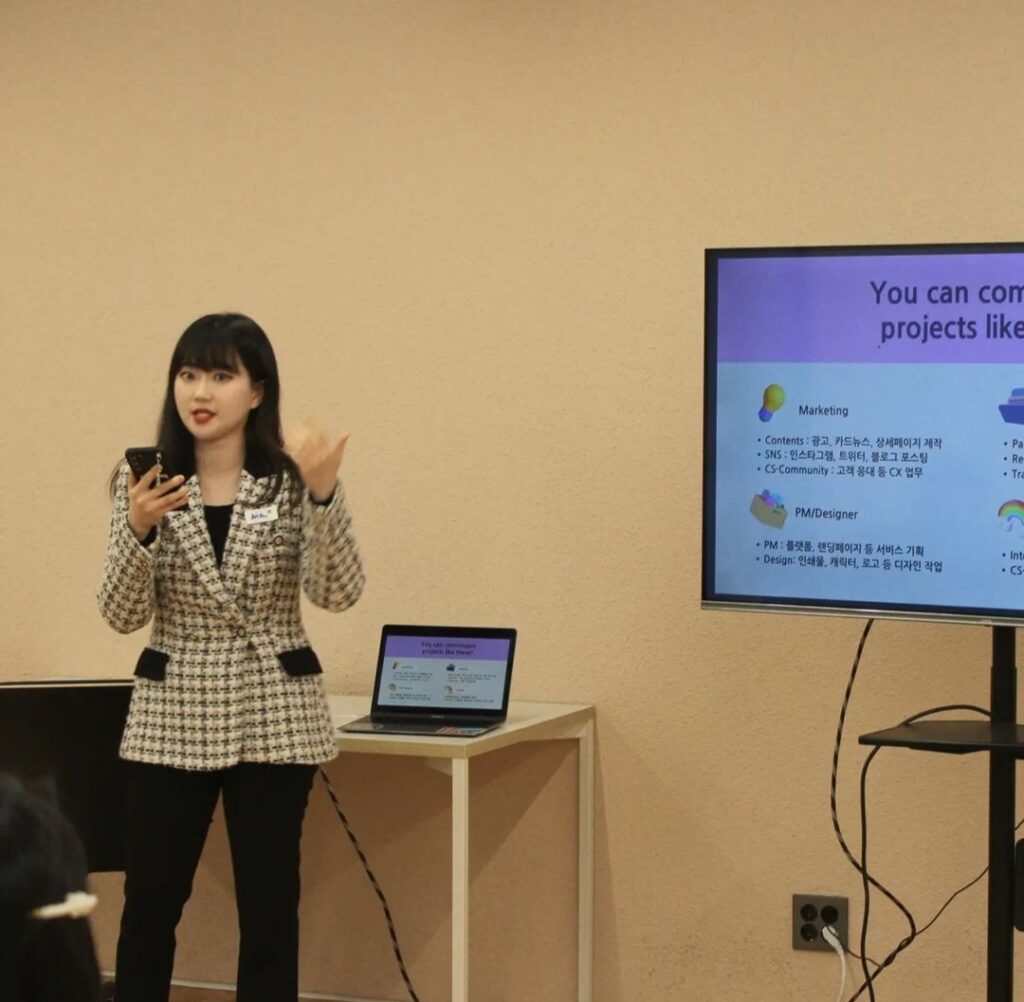
Nia Park, founder of Youthcorn and author of Keeping Up with the Koreans, explores the human, societal, and cultural changes within the realms of rapid technological development and access to AI. Nia Park recognises that the openness to technology and AI is positive, but it also presents challenges.
Over-Reliance Fosters Dependence
Being too ready to rely on new tech can foster dependence, particularly when AI tools replace basic cognitive processes or social interactions. Although we are just at the dawn of generative AI, Nia Park reflects on how early exposure and societal enthusiasm for technology shape both opportunities and pitfalls, highlighting the importance of balancing innovation with the preservation of independent thinking and human intuition.
Comfort Has Turned into Dependence, Hindering Brain Development: My Observations from Tech Summer Camps
In the education programs held with Youthcorn and technology organizations, mentors consistently report that new students arrive each year with a high dependency on ChatGPT. The challenge is not just that they use it for information, but that they often rely on AI even for the most basic thought processes. Instead of asking “why, how, and what,” students allow the AI to provide not only the answers but also the framing of the questions, weakening their own critical thinking and independent perspective.
There is also a growing psychological reliance on the notion that “ChatGPT is better than people.” Even I sometimes catch myself feeling, during interactions, that it possesses the emotional intelligence of a sentient being, a reminder of how easily we can slip into perceiving it as more than just a tool.
Therapy, Companionship, and Emotional Reliance
Beyond impeding cognitive development, AI also poses challenges to emotional development. For example, AI companion apps are growing in popularity. Often equipped with customizable personalities and voices, these apps have become digital confidants. Users describe them as “safe spaces” for venting frustrations, simulating romance, or simply escaping the pressures of real-life relationships.
This trend hints at something darker: emotional reliance on AI may blur the boundary between reality and simulation. Reports have surfaced of individuals skipping social gatherings or neglecting in-person relationships in favor of AI conversations. The sense of comfort is undeniable, but when comfort becomes dependence, it risks deepening feelings of isolation and even worsening mental health struggles such as depression or anxiety. In a society already grappling with one of the highest loneliness and suicide rates in the OECD, the rise of AI “friends” raises unsettling questions about whether technology is patching wounds or quietly making them worse.
Reawakening Human Interaction Through Acting and the Arts
At Youthcorn, I encourage students to engage in role-play exercises. After providing them with a brief character outline, I invite them to act out scenarios, placing themselves in the shoes of others and exploring life from different perspectives. This process fosters adaptability and quick thinking. Through structured improvisation, individuals are guided back to a more human mode of interaction, enabling them to think critically, broaden their perspective, and develop independent solutions. Early education should therefore focus on preserving the human thought process.
For adults, activities and exercises can serve as a kind of “cognitive shock therapy” to enhance and maintain critical thinking abilities. This is achieved through exercises such as improvisation under pressure, perspective-shifting debates, role reversals, problem-solving with constraints, and short-term digital detox challenges—each designed to awaken independent thinking and adaptability.
Practical Solutions: Balancing AI and Human Thinking
It is important to remain cautious, avoid disclosing confidential information, and remember that AI platforms are continually evolving. Awareness and vigilance are essential in safeguarding both personal and professional interests. Responses should be approached critically: while AI may sound confident and reassuring, its outputs can be inaccurate and should therefore be treated with appropriate caution.
Rather than relying exclusively on AI, it is beneficial to alternate between using generative tools and one’s own independent thinking. While it may be unrealistic to eliminate such technologies altogether, deliberately taking breaks from them can help preserve cognitive engagement and strengthen critical problem-solving skills.
It is about cultivating fundamental critical thinking skills, asking the essential questions of who, what, where, when, and why within a human context. The aim is not to reject technology, but to preserve and strengthen human intuition alongside it. While AI offers powerful tools, it is important to remember that they remain tools capable of providing valuable insights, but also prone to error. By recognising this duality, we can ensure that technology serves to enhance, rather than diminish, human judgment and creativity.
About Youthcorn
Youthcorn is an education technology organisation working with Korean institutions, government, universities, and the private sector. As an HRD-focused company, it specialises in AI and software-related career education, while also mentoring young entrepreneurs and evaluating start-up competitions. Its mission is to equip learners of all ages to succeed in work, life, and interactions with technology.




