Is Leasing an EV Better for the Planet?
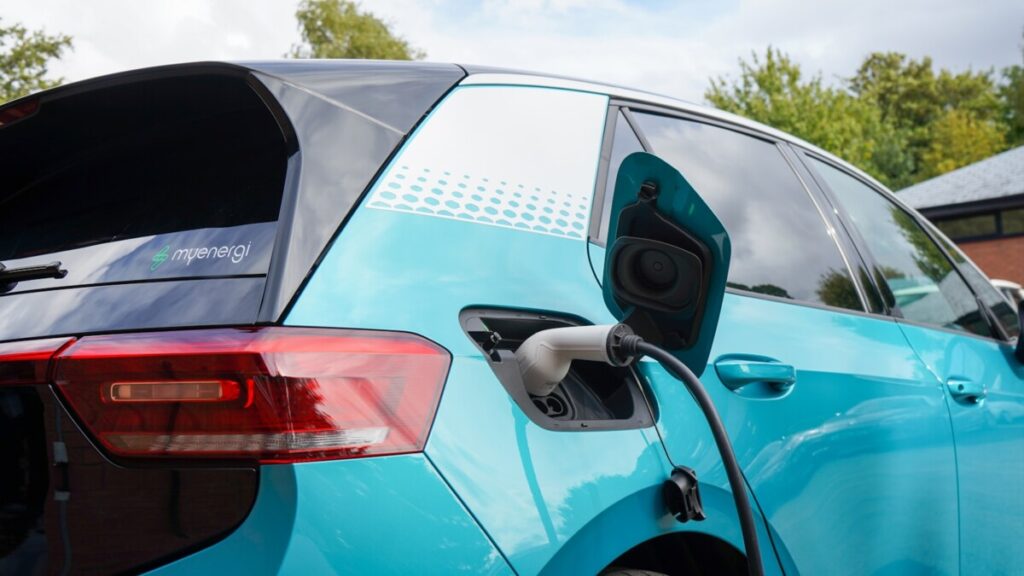
Electric vehicles (EVs) are now one of the most popular vehicle types to buy and lease. This is due to countries across the world prioritising sustainability, and the UK specifically looking to meet the 2030 goal of banning the sale of new petrol and diesel cars.
As demand for sustainable transport grows, leasing has emerged as a smart option for drivers looking to reduce their carbon footprint. In this blog, we’ll explore the environmental impact of EVs and whether leasing electric vehicles truly offers a greener path forward. From manufacturing and charging emissions to end-of-life recycling, we’ll examine how leasing compares to traditional ownership when it comes to sustainability.
What Is an EV?
An EV (electric vehicle) is powered entirely or partially by electricity rather than petrol or diesel. Fully electric cars use a rechargeable battery and electric motor, producing zero exhaust emissions, making them a popular vehicle choice for eco-conscious drivers.
The Environmental Impact of Electric Vehicles
EVs vs. Traditional Cars: Emissions Comparison
It’s safe to say that traditional petrol or diesel-powered vehicles produce far more emissions than EVs. Whether standing still or on the move, a petrol or diesel car releases CO2, whereas EVs produce no exhaust emissions, greatly reducing air pollution in urban areas. Traditional cars, on average, can produce around 211.2 grams of CO2 per mile, so, for those looking to reduce their carbon footprint and produce zero emissions when driving, leasing an EV will see this goal met.
Battery Production and Resource Extraction
However, if you’re considering leasing an EV, you should be aware that just because EVs produce zero emissions when out on the roads, they aren’t without damage to the environment in the manufacturing process.
One of the most environmentally taxing parts of an EV is battery production, which requires mining for materials such as lithium, cobalt and nickel. Add on transporting these materials around the world, and the actual manufacturing process, which requires 50% more water than traditional engines, and extracting the resources needed, produce far more emissions than it does for internal combustion engine (ICE) vehicles.
Electricity Sources and Charging Infrastructure
Countries with more renewable energy – the UK being a leader in this regard – will have cleaner charging infrastructure, compared to countries that rely heavily on fossil fuel grids. Fortunately, more infrastructure is being decarbonised, meaning EVs will continue to become greener over time.
Leasing vs. Buying: What’s the Difference Environmentally?
If you lease an electric vehicle instead of buying one, it will present different implications for its overall environmental impact, some being positive and others more nuanced.
Vehicle Turnover and Model Efficiency
The latest EV models, and traditional ICE vehicles for that matter, are installed with much more eco-friendly batteries and features that are better for the environment compared to older models that are just a few years old. When leasing an EV, the vehicle is typically returned after two to four years, which keeps drivers in newer, more efficient models, but also means the older car can still be used, minimising waste and associated emissions.
Maintenance, Repairs, and Upgrades
Leased vehicles are usually well-maintained to preserve resale value, with regular servicing a popular option as part of the lease deal. Regular servicing reduces efficiency losses and emissions, as well as reduces the environmental strain of aftermarket modifications or inefficient repairs on older models.
End-of-Life and Recycling Considerations
Leasing companies often oversee the recycling and repurposing of electric vehicles more effectively than individual owners. EV battery reuse and recycling, while still in the relatively early stages, are being optimised each year.
Most EV batteries only decrease between 20-30% in overall capacity before their end of life, still able to source energy for other applications other than an EV. Plus, a developing process is using old lithium batteries for large-scale battery storage, meaning rather than ending up in a landfill, batteries and other components of EVs are being recycled and reused.
The Case for Leasing an EV
So, we know driving an EV is a much more environmentally friendly option compared to traditional vehicles, and developments and initiatives for reusing and recycling batteries are further supporting sustainability. On top of being environmentally beneficial, leasing an EV is also a financially smart route to take.
Access to Newer, More Efficient Models
When you first sign up for a lease deal, you can drive the most state-of-the-art and latest EV model. This means your EV will have the latest efficiency upgrades, extended driving ranges and would have been manufactured using the greenest of techniques – all without the long-term commitment of ownership.
Incentives and Corporate Fleets
Businesses and fleet operators often lease EVs in bulk, benefiting from government incentives, tax breaks and improved fleet efficiency standards. The large-scale adoption of leasing EVs for business helps accelerate the transition to cleaner vehicles across the economy.
Reduced Long-Term Environmental Burden
Leasing an EV will see it cycle through multiple users and help manage end-of-life processes responsibly. Leasing reduces the chances of cars sitting unused, falling into disrepair or being scrapped inefficiently, which sees a large reduction in waste and burden on the planet.
Final Thoughts: Is Leasing Truly Greener?
Driving an EV alone is considered to be more eco-friendly compared to an ICE vehicle, as zero exhaust emissions are released. However, the manufacturing process of EVs is a substantial burden on the planet, with mining, extracting and transporting the materials needed for batteries producing large amounts of CO2.
If you’re looking to make a more positive impact on the planet when driving an EV, leasing is the perfect opportunity rather than buying outright. Leasing supports smarter resource use, better recycling practices and more rapid adoption of clean technologies. For individuals and businesses alike, leasing offers a flexible, affordable and future-proof way to reduce transport emissions. If you’re interested in leasing an EV, Gateway2Lease offer the latest deals on a range of electric cars to choose from.