How to read your credit card statement: a simple guide
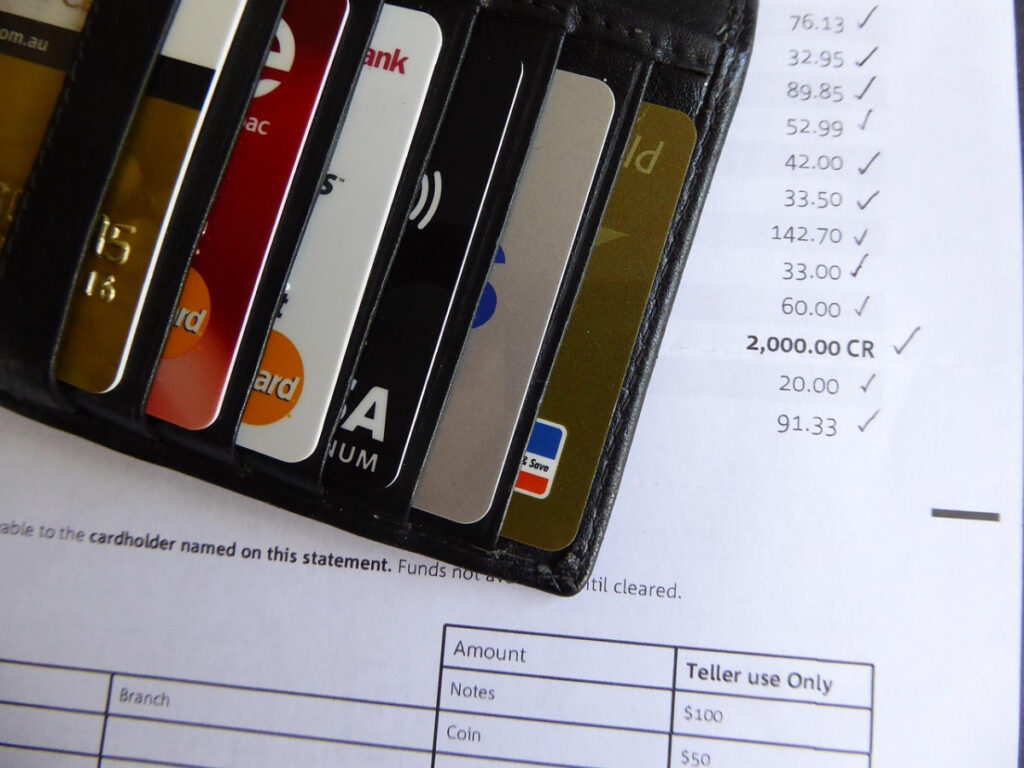
Getting comfortable with reading and understanding your credit card statement can be one of the most important financial habits you can develop. With just a little attention and a bit of practice, reading your statement will become second nature.
Why it’s important to check your statement each month
It might seem easy to ignore, especially if you’re just making the minimum payments. But taking a moment to check your statement each month can prevent unexpected surprises. It also means you can spot errors or fraudulent transactions quickly. If you don’t look closely, you might end up paying for things you didn’t intend to.
Paying attention to your statement can help you stay on top of your spending and avoid falling into unnecessary debt. Regularly reviewing it also helps you become familiar with your credit card terms, like your interest rate, so you’re not caught off guard when it’s time to pay off your balance.
What you’ll typically see on a statement
It usually includes your account summary, which outlines the balance you owe, your limit and the available credit you have left. You’ll also see the minimum payment required, the due date and any interest charges. The statement will list each transaction made during the billing cycle, including the merchant’s name and the amount spent.
If you’ve made any payments, they’ll also appear here, showing how much of your balance you’ve cleared. In addition to transactions, you’ll often find information about any fees or penalties, such as late fees or over-limit charges.
Understanding transactions and fees
Each charge represents something you’ve bought or paid for. If you see a transaction you don’t recognise, look at the details carefully; it could simply be a purchase you’ve forgotten, or it might be fraudulent. If you think you’ve been a victim of credit card fraud, it’s vital to contact your card issuer as soon as possible.
On your statement you’ll also notice fees like interest, late payment fees and cash advance charges. These costs can add up quickly if you’re not mindful. For instance, carrying a balance can result in high interest charges, while missing a payment can cost you a late fee. If you’re looking to reduce your interest rates, a balance transfer might be an option to consider, depending on your financial goals and credit card terms.
Tips for staying on top of your payments
Ideally, you should aim to pay off your full balance each month to avoid paying interest. To make sure you never miss a payment, consider setting up reminders or automated payments. You can also break your payments down into smaller amounts throughout the month, which can make it easier to manage.
If you’re finding it hard to keep up, review your spending and work out a budget while cutting back on non-essential purchases. Building a small buffer between your balance and your credit limit gives you more flexibility and reduces the chance of incurring fees.
Next time you receive your statement, take some time to read it carefully and approach it as an opportunity to take control of your finances.