Ocean freight in 2025: what’s solid, what’s shaky
On-time performance hovers around “OK but not great”. That’s your starting point. Carriers still use blank sailings to balance supply and demand, which means fewer weekly departures and stretched lead times on some loops. The practical response? Book earlier than you did a few years ago, build realistic buffers into your plan, and stay close to any rotation or service change notices.
Global trade hasn’t stopped; it’s reshaped. Container volumes shift between trade lanes and alliances, which can make some routes feel tight even when the overall market looks calm. Importers who keep things simple tend to win: choose the right port pairs, fix a primary schedule, have a ready-to-go alternative, and don’t let brochure transit times trick you into believing every listed day will materialise in reality.
“Digital tools are great, but decisions still need to be made by someone who understands the shipment and the consequences.”
Why importers work with Gateway Cargo
You don’t want to manage every carrier nuance; you want someone to handle space, schedules, customs, and inland legs without burying you in complexity. Gateway Cargo keeps things grounded in what importers actually need: FCL and LCL solutions, global reach, transparent tracking, and a hands-on team from booking to proof of delivery.
If you move goods India–UK, Gateway also runs a weekly ocean service specifically designed to improve schedule consistency and reduce unnecessary handovers—ideal for importers who want fewer moving parts between factory and door.
On a typical week, that looks like:
– One team coordinating your bookings, documentation, and final delivery
– Milestones you can share with your operations and finance teams
– Early alerts on rotation switches, port congestion, or container shortages
– Lane-level emissions information you can feed straight into ESG and Scope 3 reporting
FCL vs LCL: make the call in under 60 seconds
- Full Container Load (FCL)
- Best suited to: steady volumes, higher-value or sensitive cargo, or when you want minimal handovers.
- Strengths: simpler handling, fewer touches, faster gate-out in many terminals, and a clear, predictable cost per container.
- Things to watch: more visible price jumps around peak weeks, especially when sailings are blanked and capacity tightens.
Less than Container Load (LCL)
- Best suited to: smaller but frequent replenishment cycles and tighter working-capital control.
- Strengths: ship in smaller chunks, keep inventory lean, and avoid tying up cash in full containers.
- Things to watch: extra consolidation and deconsolidation steps can add a couple of days and an extra terminal move.
Hovering around 14–18 pallets?
Ask for both FCL and LCL options—and don’t just compare ocean rates. Include devanning, storage, drayage, and any handling fees. The better choice can flip from week to week and lane to lane.
Route planning that genuinely reduces delay risk
- Align purchase orders with sailing windows
Weekly fixed-day services are your anchor. Slip a PO by 24 hours and you may miss the cutoff—and wait another week for the next sailing, longer if that departure is pulled. - Choose port pairs for real performance, not brochure promises
A “quick” transit on paper can still lose you days if the arrival terminal is congested or inland rail ramps are backed up. Look at recent performance, dwell times, and congestion trends—not just the published schedule. - Adjust buffers by product, not by guesswork
High-margin, time-sensitive, or launch-critical SKUs deserve more protection: buffer stock nearer to market or earlier sailings. Lower-value, steady-demand items can run tighter with less slack. - Keep alternates ready, not theoretical
Have at least two viable routings per origin—already vetted for compliance, documentation, and inland legs. When a service rotation changes, you switch to the alternate instead of scrambling for a brand-new plan.
Sustainability without the hype
Two main regulatory pillars are shaping how container vessels are deployed and operated:
- EEXI and CII – Rules focused on efficiency and carbon intensity that push carriers to optimise speeds, vessel choice, and deployment patterns. Expect sailing profiles and service structures to evolve as carriers adjust to their scores and targets.
- Net-zero and fuel pathways – Long-term strategies and emerging standards for low- and zero-carbon fuels, alongside evolving carbon pricing and environmental charges for shipping.
What matters for you as an importer is how this translates into everyday decisions:
– Asking for lane-specific emissions data with your quotes
– Aligning that data with corporate ESG and Scope 3 reports
– Designing routes with fewer handovers, smarter port choices, and sensible inland legs
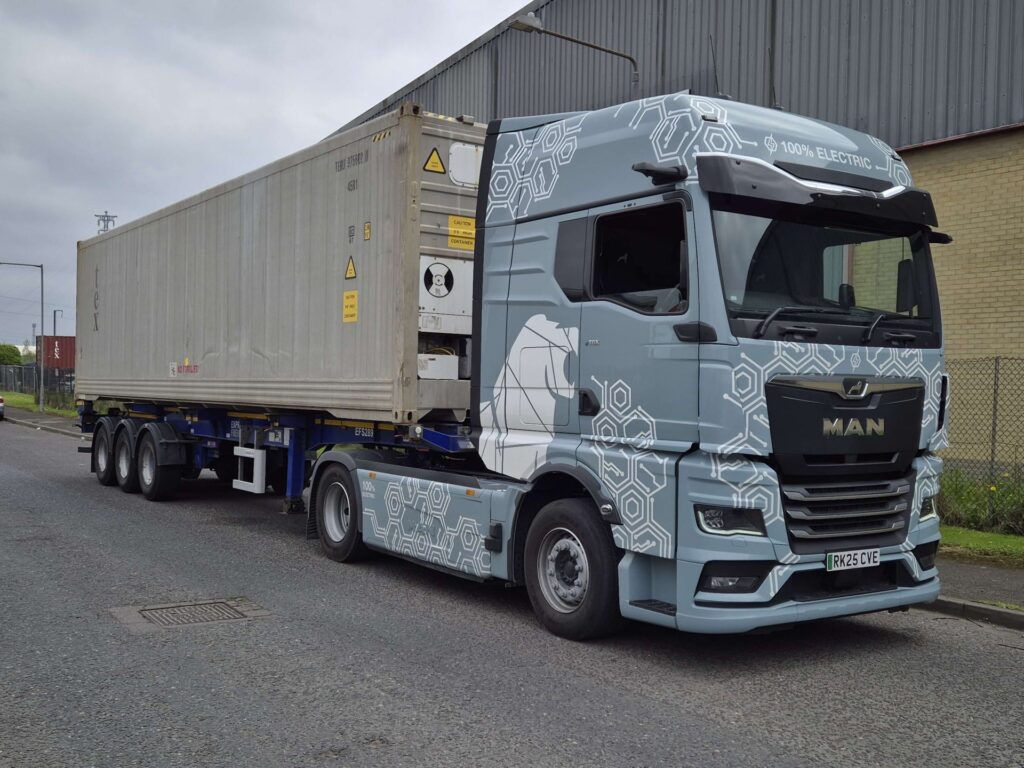
Gateway Cargo’s approach to sustainability combines this regulatory context with practical routing. Where it makes sense, inland sections may include lower-emission options (for example, EV fleets where viable) and reduced empty running to cut well-to-wheel impact across the whole chain.
“The cleanest tonne of CO₂ is usually the one you don’t create—good routing beats last-minute offsets every time.” — Head of Supply Chain Strategy
Understanding rate behaviour so you’re not surprised
Ocean rates still move—but the pattern has changed from the crisis years. Key drivers:
Capacity discipline
Carriers continue to pull or reposition sailings to support spot levels. When you see rotation changes announced, assume space may tighten and book earlier on affected lanes.
Macro conditions
2025 looks more stable than the pandemic era, but inflation, bunker costs, and labour pressures can keep parts of the cost base “sticky”. Using contracts for your core volumes and spot for peaks or one-offs gives you flexibility without losing control.
Demand mix
East–West trades still anchor global networks. As volumes shift regionally, some loops get newer vessels, different speeds, and improved punctuality. Others feel more strain.
If your contracts lean heavily on a single alliance or carrier group, maintain a spot fallback with another provider. Having options beats sitting on a rolled booking and hoping for the best.
How Gateway Cargo manages a clean import workflow
- Pre-file and pre-advise everything
Accurate commercial invoices, correct HS codes, and timely submissions (VGM, AMS, ENS and other local requirements) are locked in early. That drastically reduces last-minute blocks or customs questions. - Match service choices to your cargo
Gateway reviews your freight profile—volume, sensitivity, lead-time needs—to select between direct and tranship services, appropriate cutoff times, feeder legs, and a pre-agreed backup option. - Provide end-to-end visibility, not just a tracking link
You get clear milestones from loading at origin through to arrival and POD. Exceptions are flagged early so your teams can adjust production, warehousing, or delivery promises before they become an issue. - Join up customs and inland delivery
Instead of juggling a shipping line, a separate customs broker, and an unrelated haulage provider, you work with one Gateway team coordinating the full chain from port to door. - Build lane-specific playbooks
For lanes like India → UK, Gateway’s weekly service can be trialled against your current solution. Over a couple of months, compare dwell times, demurrage and detention exposure, and truck waiting time to see which setup actually reduces friction.
Benchmarks: what “good” really looks like
Booking lead time
Aim for 2–3 weeks before ETD on busy headhaul trades and 1–2 weeks on backhaul lanes. For holiday peaks or when blank sailings rise, pad this further.
On-time performance
Plan against mid-range reliability, not best-case. Protect launches, seasonal ranges, and promotions with extra buffer stock or earlier sailings.
De-risk triggers
Treat rotation changes, port congestion alerts, or rising rollover rates as signals to review your routing or capacity plan—not just background noise.
Rate sanity checks
Use your MQC or contract as a baseline and run a structured quarterly spot review to see if you’re still in the right ballpark or if the market has shifted under your feet.
Actions to take this quarter
– Fix your primary and backup routings for your top three origins
– Ask for lane-level emissions data with every ocean quote and store it centrally
– Maintain a live 6-week booking forecast, updated at least weekly
– If you source from India, pilot Gateway’s weekly India→UK service and monitor dwell, storage charges, and ETA consistency against your current setup
Quick FAQ for importers
1) How far ahead should I book ocean freight?
On busy headhaul trades, plan 2–3 weeks before ETD as a minimum. During peak seasons or when blank sailings are frequent, build in additional lead time. Backhaul lanes are usually more forgiving, but 1–2 weeks of notice still helps secure the right space and service.
2) Why did my transit time change after I’d already booked?
Carriers can adjust rotations, cancel individual sailings, or switch vessels to meet capacity and efficiency targets. That can lengthen transit or add a transhipment. Having a pre-approved alternative routing means you can switch quickly instead of starting from scratch.
3) Is ocean freight more reliable now than it was a few years ago?
Reliability has stabilised but hasn’t returned to “set and forget”. Think of it as consistently middling: manageable if you plan conservatively, but risky if you chase best-case timings. Building realistic buffers and choosing port pairs that perform well in practice is still essential.
4) How do new environmental rules affect my shipments?
Efficiency and carbon-intensity rules influence vessel speeds, routing choices, and which ships are deployed on which lanes. Your containers will still move, but schedules and service patterns may shift. The smart move is to request emissions data with your quotes and incorporate it into your own reporting and route design.
5) Should I choose FCL or LCL for my cargo?
If you’re filling most of the container and need tight control over handling and transit, FCL usually makes more sense. If you’re watching cash flow and prefer frequent, smaller arrivals—even with a slight time premium—LCL can be the better fit. Gateway can model both, including downstream charges, so you can see the true landed cost.
6) Can Gateway manage both customs and inland delivery?
Yes. Gateway can coordinate clearance and onward delivery as a single, joined-up service, so you aren’t juggling multiple vendors. It’s a simpler way to keep your ocean, customs, and inland legs aligned under one plan.




