Business EV Charging and the Rise of Smart Vehicle Data in the Workplace
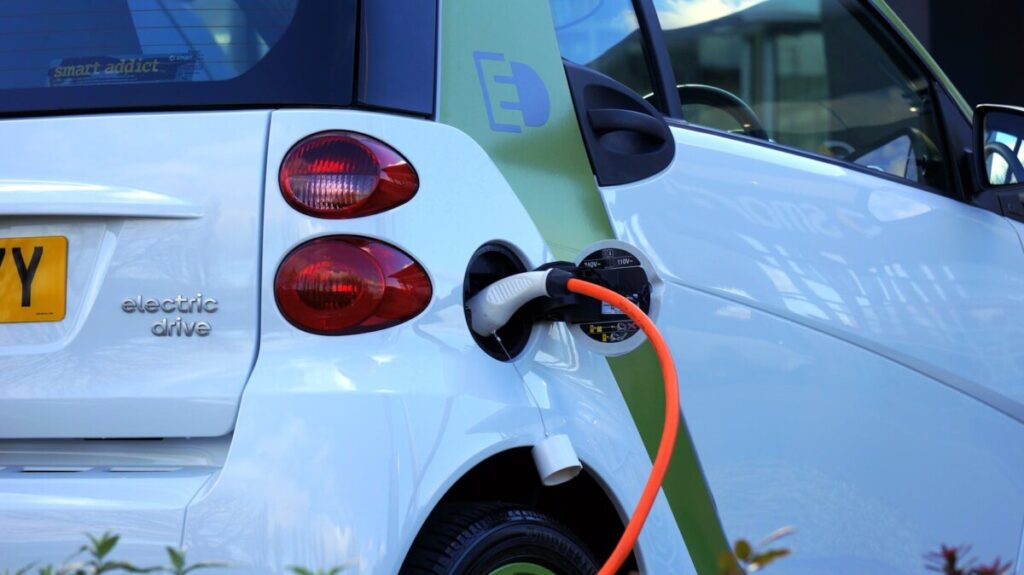
Business EV charging is no longer just about plugging in vehicles at the end of the day. As electric vehicles become increasingly sophisticated, the technology embedded within them — and the charging systems that support them — is giving employers unprecedented insight into how vehicles are used, driven and managed.
Across Wales, businesses investing in EV charging infrastructure are also gaining access to a new layer of operational intelligence, transforming company fleets and workplace transport into data-driven assets.
EVs Are Computers on Wheels
Modern electric vehicles are fundamentally different from traditional petrol or diesel cars. Built around advanced software platforms, EVs continuously collect and transmit data covering everything from energy consumption and charging patterns to braking, acceleration and driving efficiency.
When combined with workplace charging systems, this data can help employers understand:
- How vehicles are being driven during work hours
- Energy usage per journey or driver
- Idle time, route efficiency and charging behaviour
- Vehicle health and maintenance needs
For fleet managers and employers, this level of visibility was simply not possible with internal combustion vehicles.
Smarter Charging, Smarter Decisions
Business EV charging systems are increasingly integrated with cloud-based platforms that provide real-time reporting and analytics. These systems can link charging sessions directly to individual vehicles or drivers, allowing companies to track usage accurately and fairly — particularly important where employees pay for electricity or use vehicles for mixed business and personal use.
This technology also supports:
- Smart load balancing, preventing chargers from overloading site power supplies
- Scheduled charging, taking advantage of off-peak electricity pricing
- Energy reporting, helping businesses monitor costs and carbon savings
For organisations with sustainability or ESG targets, this data provides measurable evidence of progress — not just estimates.
Understanding Driver Behaviour Through EV Data
One of the most valuable — and often overlooked — benefits of EV technology is insight into driver behaviour.
Electric vehicles naturally reward smooth, efficient driving. Rapid acceleration, harsh braking and inefficient routing all show up clearly in energy usage data. Over time, employers can use this information to:
- Identify training needs for drivers
- Improve safety by spotting aggressive driving patterns
- Reduce energy costs through more efficient driving styles
- Extend vehicle range and battery lifespan
Unlike traditional telematics systems that often rely on aftermarket hardware, EVs generate much of this information natively, reducing complexity while increasing accuracy.
Business EV Charging as Part of a Digital Ecosystem
For many Welsh employers, EV charging is becoming part of a broader digital transformation — linking vehicles, buildings and energy systems into a single intelligent network.
When workplace chargers are paired with renewable generation, battery storage or energy-positive buildings, businesses can see exactly how locally generated power is used by vehicles, when demand peaks, and how behaviour changes over time.
This kind of joined-up insight supports better long-term decisions around fleet expansion, energy contracts and infrastructure investment.
Why This Matters for Employers
The shift to electric vehicles is not just a change in fuel type — it is a shift in how businesses understand mobility.
By investing in business EV charging and embracing the data it provides, employers gain:
- Greater control over transport costs
- Improved fleet efficiency and safety
- Stronger sustainability reporting
- Better planning for future energy and mobility needs
Providers such as Radius support businesses with integrated EV charging and fleet solutions that combine infrastructure with intelligent data management, helping employers unlock the full value of electrification rather than simply installing charge points.
Looking Ahead
As EV adoption continues to rise across Wales, the businesses that gain the most will be those that see charging infrastructure not as a standalone utility, but as part of a connected, high-tech system.
With vehicles generating more data than ever before, business EV charging is becoming a powerful tool — not just for reducing emissions, but for understanding people, performance and productivity in a smarter, more sustainable workplace.