Using Stock Screeners: How to Spot High Momentum Opportunities
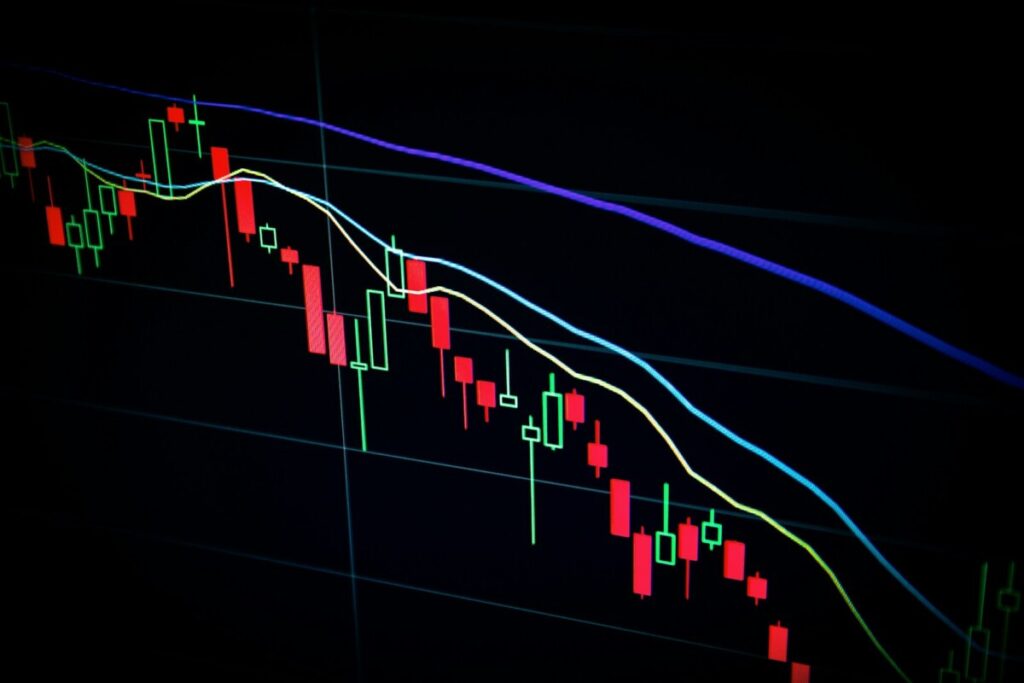
In financial markets, timing and precision matter more than ever. Traders and investors constantly seek stocks that exhibit strong price movement, rising volume, and sustained interest. This is where a stock screener becomes an essential research tool. Instead of scanning hundreds of charts manually, screeners allow you to narrow down the market and focus only on stocks with true momentum potential.
This guide explains how to use a stock screener effectively to identify high momentum opportunities, understand the right indicators, and build a repeatable process for smarter decision-making.
Understanding High-Momentum Stocks
High-momentum stocks are securities that exhibit strong price movement over a short or medium time frame. These stocks often move faster than the broader market due to earnings surprises, sector strength, news flow, or technical breakouts.
Momentum is not random. It follows patterns that can be measured using price action, volume, and technical indicators. A stock screener helps bring these patterns to the surface by filtering out low activity stocks and highlighting those gaining strength.
Why a Stock Screener Is Essential for Momentum Trading
Markets contain thousands of listed stocks. Finding momentum manually is an inefficient and time-consuming process. A stock screener solves this problem by allowing traders to apply rules that instantly narrow down results.
Key advantages include:
- Faster discovery of trending stocks
- Objective filtering based on data, not emotion
- Ability to monitor multiple sectors at once
- Consistent screening aligned with your strategy
- Early identification of breakout candidates before they gain widespread attention
- Time efficiency for research, allowing traders to focus on analysis and execution rather than manual scanning
By using a stock screener, you can focus only on stocks that meet your momentum criteria, rather than guessing or reacting late.
Core Metrics to Use in a Stock Screener
To identify high-momentum opportunities, you must understand which metrics are most important. The right filters help you avoid false signals and focus on quality setups.
Price Performance Filters
Price performance is the foundation of momentum. Useful filters include:
- Percentage change over one day, one week, or one month
- Stocks trading near 52-week highs
- Strong intraday price movement
A stock screener lets you sort stocks based on recent gains, making it easier to identify those leading the market.
Volume and Liquidity Indicators
Momentum without volume is unreliable. Volume confirms participation and strength.
Key volume-based filters include:
- Above-average trading volume
- Volume spikes compared to previous sessions
- Minimum average daily volume to ensure liquidity
Using volume filters in a stock screener ensures that momentum is backed by real market interest.
Trend Confirmation Tools
Trend indicators help confirm whether momentum is sustainable.
Common filters include:
- Price above short-term and long-term moving averages
- Moving average crossovers
- Consistent higher highs and higher lows
A stock screener enables you to combine these filters to exclude stocks that exhibit short-lived or weak momentum.
Using Technical Indicators for Momentum Screening
Technical indicators refine momentum analysis and reduce noise.
Relative Strength Index
RSI measures the speed and change of price movements. Momentum traders often screen for stocks with RSI values above 60 to indicate strength, while avoiding extremely overbought conditions.
A stock screener helps identify stocks with rising RSI levels before momentum peaks.
Moving Averages
Moving averages smooth price data and reveal trends. Stocks trading above key moving averages often indicate bullish momentum.
Popular filters include:
- Price above the 50-day moving average
- Short-term average above long-term average
Combining moving average filters in a stock screener improves the quality of momentum signals.
Volatility Measures
Momentum stocks often experience increased volatility. Filtering for moderate volatility helps identify stocks that are capable of strong moves without incurring extreme risk.
A stock screener lets you balance opportunity with risk by controlling volatility thresholds.
Building a Momentum Focused Stock Screener
Creating a reliable screener setup requires clarity and consistency.
Step One: Define Your Time Frame
Momentum strategies differ for short-term traders and longer-term investors. Decide whether you are scanning for intraday moves, swing trades, or position trades. A stock screener can be adjusted for each time frame using performance filters.
Step Two: Combine Multiple Filters
Avoid relying on a single metric. High-quality momentum setups typically meet several conditions simultaneously.
For example:
- Strong price increase over the past week
- Volume above average
- Price above key moving averages
A stock screener allows you to layer these conditions efficiently.
Step Three: Review Results Visually
After filtering, analyse charts to confirm structure, support levels, and breakout patterns. The stock screener narrows the list, but chart review confirms execution points.
Common Mistakes to Avoid When Using a Stock Screener
Using a stock screener can significantly improve decision-making, but certain mistakes can reduce its effectiveness. One common error is applying too many filters at once, which may eliminate strong opportunities before they fully develop. Another mistake is relying only on technical data while ignoring market trends or sector performance.
Traders also often chase stocks that have already made large moves, entering positions too late. Failing to review charts after screening can lead to poor timing and weak setups. Additionally, using the same screener settings in all market conditions can limit results. Regularly adjusting your stock screener ensures it remains aligned with current market behaviour and momentum.
How to Track Momentum Continuously
Momentum changes quickly. Successful traders update their screens regularly.
Best practices include:
- Saving custom screener setups
- Running scans daily or weekly
- Adjusting filters as market conditions change
A stock screener supports this ongoing process by enabling consistent monitoring without requiring a restart.
Conclusion
Spotting high momentum opportunities requires discipline, structure, and the right tools. A well-configured stock screener helps traders focus on key indicators, such as strength, volume, and trend confirmation, rather than noise. By understanding key indicators, combining filters intelligently, and consistently reviewing results, you can transform market data into actionable momentum insights.
TradingView offers advanced charting, flexible screening tools, and real-time market data that support both technical and momentum-based strategies. Its customizable screeners, visual charts, and alert features help traders analyze trends efficiently and stay prepared for high momentum opportunities across global markets.