How Technology Is Reducing Lost Packages
A package leaves a distribution center in any major city in the morning and arrives at someone’s door before sundown. On the surface, it seems simple, yet numerous transfers occur along the way. Each creates the potential for failure, and a single touch point rarely causes lost packages. Issues emerge from a lack of visibility, manual processes and slow decision-making, but new technology closes these gaps, allowing carriers and logistics teams to track parcels from depot to door. Here are the ways carriers are reducing losses.
1. Smarter Tracking During the Final Mile of Delivery
Failed deliveries cost UK businesses £1.6 billion annually. The final phase of delivery is where many parcels are lost. Technology is changing the process, though. Research suggests that newer systems such as superior routing software, real-time information feeds and predictive analytics can help reduce errors during last-mile handoffs.
Current tracking systems generally update the status of parcels multiple times in the sorting and delivery processes. With drivers assigned mobile tracking devices that detail their location, the time and conditions of each delivery, operations can reconcile problems, reroute parcels and settle disputes using information recorded along the route.
2. Predicting Problems Before They Happen With AI
Data from delivery history, traffic, weather and by address have been combined in machine learning models to increase the accuracy of predicting loss for some shipments. AI-based tracking systems typically include mechanisms to reduce the likelihood of packages getting lost in the first place, such as scheduling a more cautious delivery window or assigning an experienced driver to routes with a history of package theft. Over time, these systems learn from ongoing data input and can reduce the loss rate without increasing friction in the customer experience.
Cameras in warehouses and on vehicles use AI-based image recognition to verify the condition and placement of parcels. More regimented tracking provides documentary evidence for both carriers and recipients in the event of a dispute.
3. Using RFID for Line-of-Sight Tracking
Radio frequency identification (RFID) fills a crucial weak point in logistics applications. Packages can be difficult for people to track within a building. Unlike barcodes, carriers do not need to scan RFID tags manually. AI systems can read the tags as they pass through doors, conveyors or storage areas.
The technology avoids misplaced items in busy hubs. With everything tracked, parcels are less likely to fall into operational limbo. Logistics teams can locate the last known location in seconds, rather than hours or days. In high-volume networks, RFID provides better accountability between partners through digital tracking at each handoff, which can help resolve liability disputes.
4. Reducing Human Error With Robotics
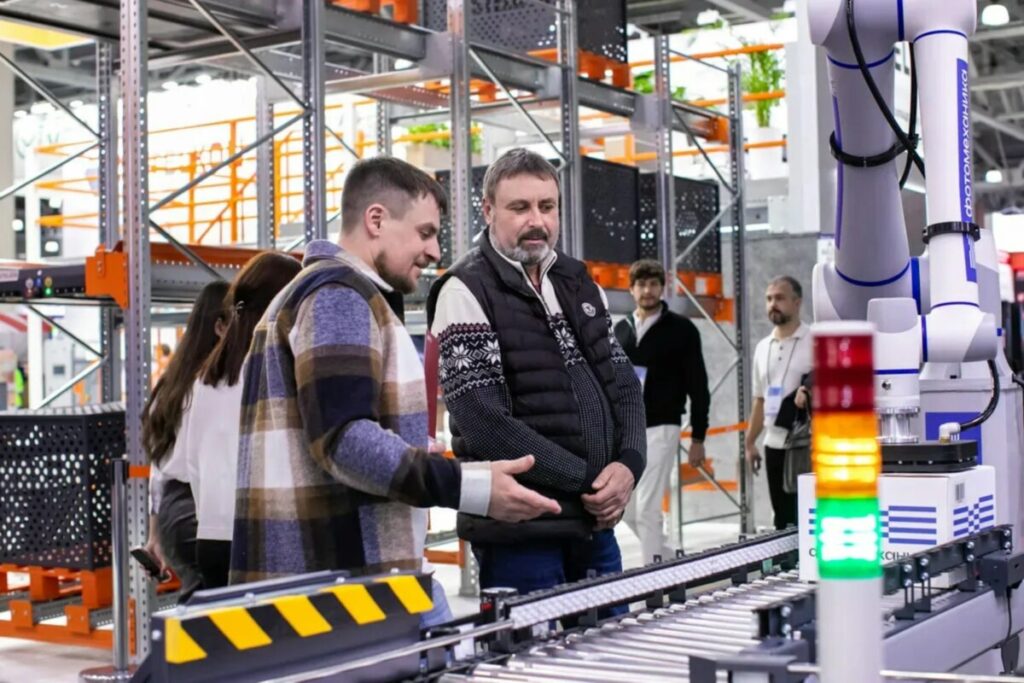
As parcel volumes rise, manual sorting becomes an error-prone process. Many facilities are understaffed, leading to fatigue, repetition and time pressures. To address staffing needs and mitigate the risk of misplacement, some are turning to robotics to automate manual tasks.
Automated sorting systems, robotic arms and autonomous mobile robots move parcels along a defined workflow. Software engineers design computerized systems to avoid ambiguity, especially in mailrooms or buildings where multiple residents can accept a parcel from the same location and deliveries are at risk of being lost. Robotic facilities can keep accurate, detailed records of timestamped chain-of-custody documentation, which reduces uncertainty about precisely what occurred or when.
5. Centralizing Parcel Management
Fragmentation creates information silos. Parcel management software consolidates tracking, alerts and exception handling using a unified interface. Logistics managers can view every movement rather than just snapshots. They no longer have to wait for delayed updates.
If there is an issue in the system — such as a parcel staying at a location for too long — the software flags it, and the team intervenes before the parcel disappears. The software identifies patterns and notifies leadership of opportunities to improve processes.
6. Protecting the Final Handoff
Proof of delivery (POD) has evolved from a signature to a digital signature and may also involve GPS coordinates, timestamps and photos. Some POD systems also require one-time passcodes or geofencing for verification that the package reached its destination.
They can also serve as proof of the package’s condition in the event of theft or delivery to the incorrect address, thereby reducing the need for customer service interactions and disputes. Secure verification is primarily helpful in urban environments, where multiple households share access and common areas to receive packages.
7. Making Data Transparent
Technology is about more than avoiding losses. If a company is tracking things openly, it’s building trust with customers, partners and employees. Transparency also helps avoid the blame game.
Shared dashboards enable carriers, retailers and property managers to simultaneously understand a problem, reducing the time to resolve issues and increasing certainty throughout the supply chain. More accurate data provides better visibility, enabling companies to set more realistic delivery time expectations and reducing claims related to misunderstandings.
Why Technology Adoption Matters for the UK Market
Postal systems differ across the globe but share common challenges in serving urban populations, multiple-family buildings and growing e-commerce volumes. The application of technology enables a flexible response without requiring changes to the entire postal infrastructure.
For UK businesses, tech tools are essential because delivery experiences shape customers’ perceptions. Lost packages go somewhere, and these technologies capture the data showing where they go and turn it into action. Business leaders and logistics professionals must ask what will fill the gaps and solve delivery bottlenecks. Investing in visibility today protects trust tomorrow, keeping parcels moving with purpose instead of guesswork.




