Why Context-Aware Technology Is Shaping the Future
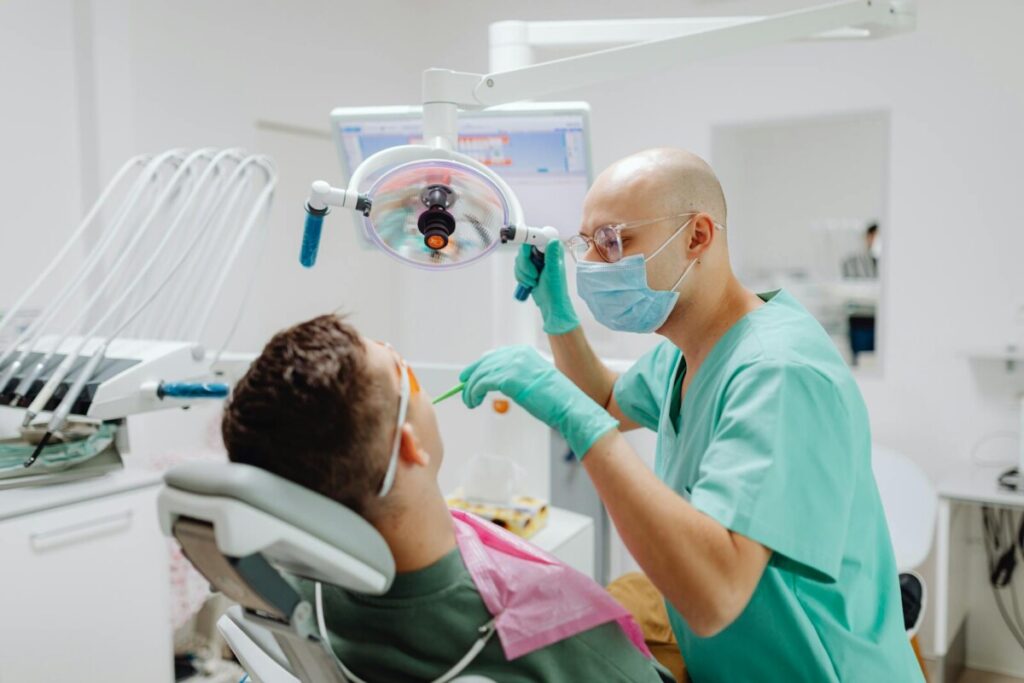
Technology is no longer defined solely by speed or scale. Its real value increasingly comes from context. Context-aware technology understands location, intent, timing, and behaviour, then adapts responses accordingly. This shift is shaping the future across many industries, especially in healthcare and dental marketing, where relevance and precision matter more than volume.
In healthcare, decisions are rarely impulsive. Patients search with specific needs, expectations, and geographic constraints. Context-aware systems recognise these factors and deliver information that matches real intent. Instead of generic messaging, technology now supports tailored experiences that feel timely and appropriate. This change improves outcomes while reducing noise.
From Data Collection to Context Interpretation
Traditional digital tools focused on collecting large amounts of data. Context-aware technology goes further by interpreting that data meaningfully. It connects signals such as location, search behaviour, and service demand to create actionable insight. This approach allows organizations to respond intelligently rather than react broadly.
For dental practices and healthcare brands, context transforms marketing decisions. Understanding where potential patients are located, what services they are searching for, and when they are most likely to act allows campaigns to align with real-world behaviour. Precision marketing depends on this level of awareness to remain effective and efficient.
Relevance Drives Trust in Healthcare
Trust plays a central role in healthcare marketing. Messages that feel misplaced or generic can quickly reduce credibility. Context-aware technology supports relevance by ensuring that content, timing, and presentation match patient expectations.
When information reflects local availability, accurate services, and realistic timelines, engagement improves naturally. Patients feel understood rather than targeted. This alignment strengthens confidence and supports more meaningful interactions between practices and their communities.
Digital platforms and design services contribute to this experience. Website structure, navigation, and content hierarchy all rely on understanding user context. Providers such as dentistry website designers apply context-aware principles by creating sites that guide visitors based on intent, clarity, and ease of use rather than generic layouts.
Precision Marketing Powered by Context
Precision marketing relies on context to deliver results. Campaigns built on context-aware systems adjust messaging based on audience location, service relevance, and competitive landscape. This reduces wasted spend and improves conversion by focusing attention where it matters most.
In dental and healthcare marketing, context-aware technology supports smarter targeting. Practices can promote specific treatments to audiences actively searching for them, within defined service areas. This focus leads to better alignment between marketing efforts and patient needs.
Context also supports adaptability. As conditions change, whether through seasonal demand, population shifts, or service expansion, technology adjusts strategies accordingly. This flexibility allows healthcare brands to remain responsive without constant manual intervention.
The Future Is Intelligent and Local
The future of technology is not just smarter, but more aware. Context-aware systems prioritise understanding over exposure. They help organizations make decisions grounded in real conditions rather than assumptions.
For dental practices and healthcare brands, this evolution offers a clear advantage. Precision marketing becomes more sustainable when driven by insight, relevance, and local understanding. As context-aware technology continues to evolve, it will shape not only how marketing is delivered, but how trust, engagement, and growth are built over time.




