How Is Blockchain Evolving?
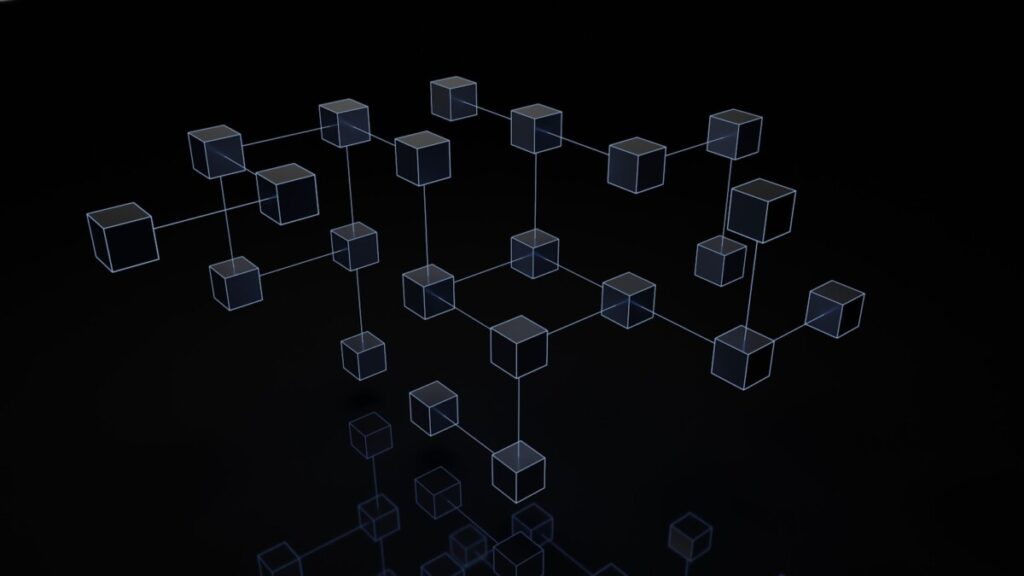
By 2026, blockchain will no longer be seen as a risky “crypto” experiment; instead, it will be known as the invisible framework of the modern digital world.
Digital plumbing is what industry leaders call the technology that is changing from a niche software to a critical utility. It’s not just a buzzword anymore.
Three big changes are happening in blockchain right now: systems are moving from being monolithic to being modular, AI and decentralised ledgers are coming together and real-world assets are being tokenised in large numbers. On top of this, an increasing number of markets, emerging markets and otherwise are utilising blockchain and Web3 technology more (source: Syria Capital Partners, connecting global business like never before.
From a Single Structure to a Modular One
Bitcoin and Ethereum were early blockchains that were “monolithic,” which means that they did execution, data availability and consensus all on one layer. This often caused a lot of traffic and high fees. The industry has shifted towards Modular Blockchains by 2026.
This architecture separates these main functions. Think of it as a specialised assembly line: one layer does the calculations (Execution) and another layer makes sure the data is safe (Data Availability). This specialisation makes “Fat Applications” possible. These are programs that are faster and more powerful than the base layers they sit on.
The AI-Blockchain Convergence: Intelligence that can be verified
The most exciting trend of 2026 is the combination of AI and blockchain.
AI is a decision-making engine that can adapt, but it often isn’t clear how it works (the “black box” problem). Blockchain gives us the last piece: an audit trail that can’t be changed.
Companies now use blockchain to store AI training data in a way that can be checked. This makes sure that a model hasn’t been changed and that its outputs are based on data that has been checked and is free of bias. This is an important step in the fight against deepfakes and synthetic identity fraud.
Adaptive Smart Contracts
Old smart contracts were just “if-then” statements that didn’t change. Contracts these days are “AI-Augmented,” which means they can understand things that change in real time, like rising fuel prices in a supply chain or fake insurance claims before they pay out.
The Liquidity Revolution: Tokenization of RWAsThe
The “Real-World Asset” (RWA) revolution is now officially here. For a long time, things like real estate, private credit and fine art were hard to get because of high entry fees and paperwork. Web3 companies like crypto and IDO launchpads are also opening up projects to investors and people who may otherwise have not had any access, meaning that more projects and tokens are more accessible to more people than ever before.
Today, big banks like BlackRock and HSBC are moving trillions of dollars onto digital rails. Tokenisation lets you break up a New York skyscraper or a government bond into smaller digital pieces. This makes it possible for:
- Instant Settlement: Transactions now settle in seconds instead of days like they used to.
- 24/7 Markets: Traditional capital markets are merging with DeFi (Decentralised Finance) primitives to create a global economy where you can trade at any time.
Zero-Knowledge Proofs: Keeping Things Private at Scale
It was a long-standing paradox that blockchain was “transparent yet private.” Zero-Knowledge Proofs (ZKPs) have fixed this by 2026. ZKPs let one person prove they know something (like their bank balance or citizenship status) without actually giving away the information itself.
Governments are using this technology for safe, anonymous online voting and banks are using it for “Compliance-by-Design” systems. It lets businesses follow strict KYC (Know Your Customer) rules without invading their customers’ privacy.
Sustainability: The Growth of Green Consensus
The environmental problems that used to bother the industry have mostly been fixed. Almost all of the major networks have switched to Proof of Stake (PoS) or even better models like Proof of Authority (PoA) since Ethereum did.
Blockchains are now helping the world become more sustainable through Regenerative Finance (ReFi), in addition to lowering their own carbon footprint. This means turning carbon credits and decentralised energy grids into tokens so that people can trade extra solar power directly with their neighbours.




