The Important Role of Cabling in Harsh and Demanding Environments
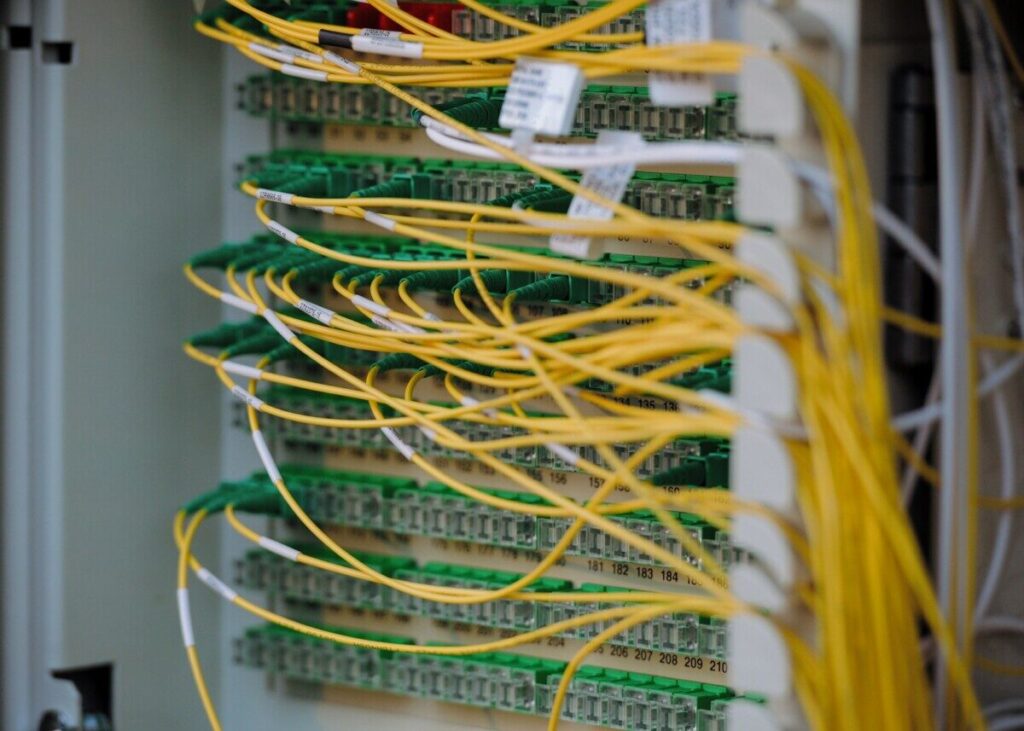
Cabling is often overlooked until something goes wrong. In controlled environments, standard cables may perform well for years without much attention. But in harsh and demanding settings, cabling becomes a critical part of operational reliability. Extreme temperatures, moisture, vibration, chemicals, and physical stress can all cause failure if the wrong materials are used. When cables fail, systems stop, data is lost, and repairs can be difficult or dangerous.
Choosing and maintaining the right cabling is not just a technical detail; it is essential for safety and continuity. Keep reading to understand why this matters so much.
Environmental Conditions Put Constant Pressure on Infrastructure
Harsh environments expose cabling to conditions that standard products are not designed to handle. Industrial plants, offshore locations, transport systems, and outdoor installations all present challenges such as heat, cold, and exposure to water or dust.
Temperature extremes can cause cracked or softened insulation, whilst moisture can lead to corrosion and electrical faults. In areas with chemical exposure, materials may degrade much faster than expected. These stresses are not occasional; they are constant, which means cables must perform reliably every day under pressure.
Selecting materials designed for these environments reduces the risk of gradual failure. Protective sheathing, resistance to UV exposure, and tolerance to temperature variation all play a role. Without these considerations, cabling becomes one of the weakest points in an otherwise robust system.
Mechanical Stress and Movement Demand Stronger Design
In many demanding settings, cables are not left untouched. They are bent, pulled, vibrated, or moved repeatedly as part of normal operation. Manufacturing equipment, transport machinery, and robotics all place physical strain on connections.
Standard cables may fatigue under this movement, leading to internal damage that is not visible from the outside. Over time, conductors can break or connections become unreliable, causing intermittent faults that are difficult to trace.
Cables designed for flexibility and durability use reinforced construction to withstand repeated motion. Strain relief, protective jackets, and specialised internal layouts help prevent damage during use. Planning for mechanical stress during installation avoids failures that would otherwise appear long after the system is operational.
Reliable Signal Transmission Is Essential for Monitoring and Control
Modern systems depend heavily on accurate data. Sensors, automation equipment, and monitoring tools rely on consistent signal transmission to function properly. In harsh environments, interference or degradation can affect how that information is delivered.
Electrical noise, long cable runs, and environmental exposure can all reduce signal quality if the cabling is not designed for the task. This is especially important where precise readings are required for safety or operational control.
Using properly specified sensor cables ensures signals remain stable despite challenging surroundings. Shielding, insulation, and construction quality help maintain accuracy so systems can respond correctly to real-world conditions. Reliable communication between equipment is just as important as physical durability. Without it, even well-built machinery cannot operate as intended.
Safety Depends on Cabling That Can Withstand the Unexpected
In demanding environments, safety risks are higher and failures carry greater consequences. Cabling must not only function under normal conditions but also tolerate unexpected events such as impacts, overloads, or exposure to hazardous materials.
Fire-resistant or low-smoke materials may be required in enclosed spaces to reduce danger during an incident. In other settings, cables must prevent the spread of flames or continue operating long enough to allow safe shutdown procedures.
Designing for safety also means reducing the chance of accidental damage. Proper routing, protective conduits, and secure installation prevent wear and minimise exposure to risk. Cabling becomes part of the overall safety system rather than just a means of connection. When infrastructure is designed with resilience in mind, it helps protect both equipment and the people working nearby.
Long-Term Performance Requires Planning, Not Just Installation
Cabling in harsh environments cannot be treated as a fit-and-forget component. Long-term reliability depends on planning, inspection, and maintenance throughout its service life. Environmental stress gradually affects even the most durable materials, so periodic checks are essential. Routine cable inspections can identify everything from early signs of wear to corrosion and mechanical strain before failure. Replacing vulnerable sections at the right time prevents unplanned downtime and reduces repair costs.
Documentation also supports long-term performance. Knowing what has been installed, where it is located, and how it is expected to perform allows teams to manage infrastructure more effectively. This approach turns cabling into a managed asset rather than an afterthought. In demanding environments, reliability is built through preparation and consistent oversight, not just the initial choice of materials.