Guarding the Cycle: How Sediment Tanks Protect and Enable Water Recycling Systems
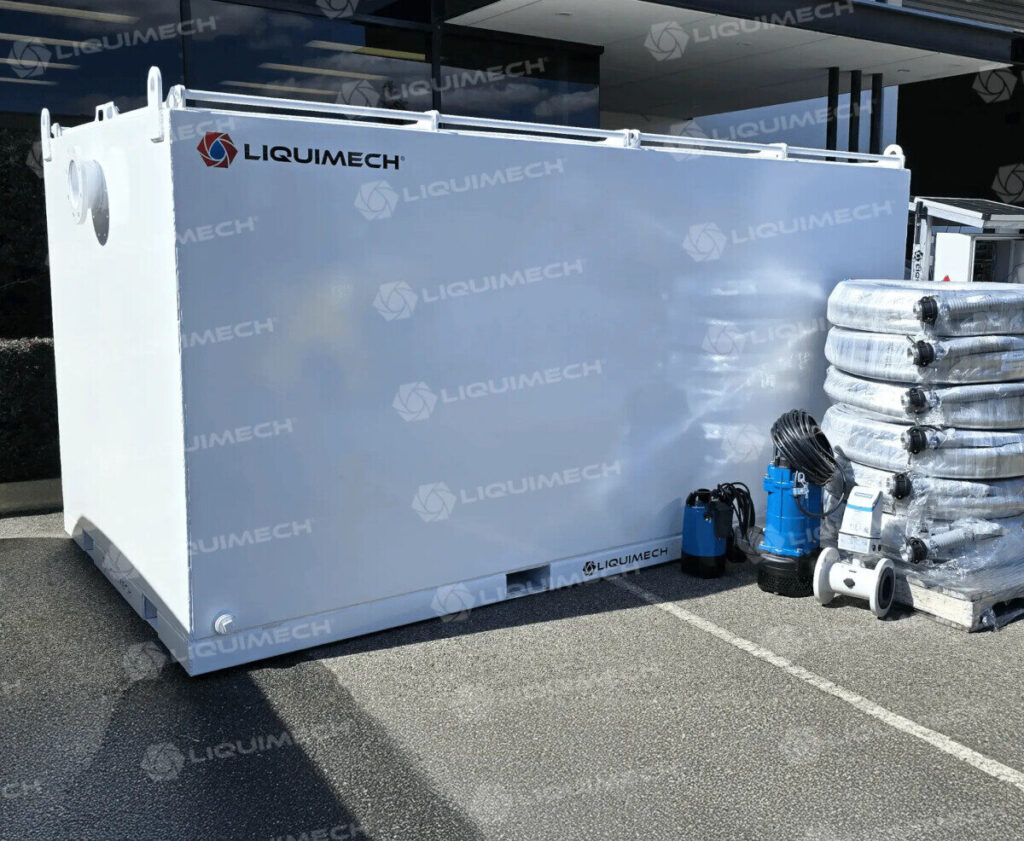
A sediment tank, also called a settling tank, is a large container used to remove solid particles and sediments from water. It is used in the mechanical pre-treatment of wastewater, where it holds dirty water and allows heavier solids to settle at the bottom, while the clarified water flows out from the top for further treatment. This gravity-driven process forms one of the earliest and most widely applied steps in engineered water treatment systems.
While the process itself is old and straightforward, sedimentation remains a critical function in modern water management. For industries that rely on water recycling to reduce costs, improve efficiency, or meet sustainability targets, sediment tanks play an essential role.
In that regard, this article examines how sediment tanks protect downstream processes and enable reliable water recycling, highlighting why they remain critical infrastructure for industrial and commercial operations.
The Role of Sediment Tanks in Wastewater Pre-Treatment
In wastewater treatment systems, sediment tanks serve as the first major barrier between raw influent and more sensitive downstream processes. These tanks reduce the overall solids load entering biological, chemical, or membrane-based treatment stages by removing settleable solids early in the water treatment process. This separation relies on predictable physical principles, including particle size, density difference, and residence time within the sediment tank.
Effective pre-treatment improves the stability of the entire treatment train. Through proper sedimentation, downstream units receive water with fewer suspended solids and less variability. This consistency supports process control reliability and reduces the likelihood of operational disruptions that can affect recycling performance.
Protecting Downstream Treatment Infrastructure
High solid concentrations in water and wastewater can significantly impair pumps, filters, membranes, and biological reactors. Without adequate sediment removal, these components experience increased maintenance demands and shortened lifespans. Sediment tanks shield downstream equipment from excessive wear, fouling, and blockage caused by these solids.
From a business perspective, this protection translates directly into cost control. When mechanical stress is reduced, repair frequency and downtime are also lowered. Over time, effective sedimentation helps preserve capital investments by maintaining the operational capacity of downstream assets that are often more complex and expensive to replace.
Enabling Consistent Water Quality for Recycling
Water recycling systems depend on consistent influent quality to deliver safe and reliable output suitable for reuse. Sediment tanks contribute to this consistency by stabilising turbidity and suspended solids levels before subsequent treatment stages. This early process is especially important in industrial settings where load characteristics can fluctuate within the same production cycle.
As such, sediment tanks help recycling systems meet internal reuse specifications or external regulatory standards. Whether water is reused for cooling, washing, or process input, dependable quality supports operational planning and reduces the risk of reuse system failure.
Operational Efficiency and Resource Management
Sediment tanks help treatment systems function within their intended design parameters. The early removal of solids reduces energy demand in downstream processes and lowers the chemical inputs required to achieve treatment objectives. This gain in efficiency becomes increasingly important as facilities scale water recycling efforts.
From a resource management standpoint, sedimentation supports higher water recovery rates. Effective pre-treatment using sediment tanks enables businesses to use more recycled water. This then allows systems to experience fewer operational interruptions and maintain stable throughput. Over time, this reliability strengthens water security and reduces constraints or rising water costs.
Safety, Compliance, and Environmental Considerations
When it comes to regulatory compliance, sediment tanks support the effective removal of solids that may carry pollutants or contaminants. Many discharge and reuse regulations establish limits on suspended solids, making sedimentation a key compliance mechanism. Additionally, properly designed tanks reduce the burden on subsequent, more sensitive treatment stages designed to meet final effluent standards.
Safety considerations are equally important. Controlled solids separation simplifies handling and disposal while reducing the risk of system failures that could lead to environmental releases.
Design and Application Considerations for Industrial Settings
The effectiveness of a sediment tank depends on thoughtful design based on wastewater characteristics. Flow rates, particle size distribution, and solids concentration are all important parameters that ultimately dictate tank sizing and configuration. Industrial facilities often require tailored solutions due to process-specific waste streams that differ significantly from municipal wastewater.
Integration considerations also vary between new installations and retrofits. In existing facilities, sediment tanks must be compatible with available space and operational constraints. In both cases, proper design ensures that sedimentation supports, rather than limits, long-term recycling performance. Moreover, working with an industry leader like Liquimech, with years of experience and expertise, allows businesses to select durable and adaptable solutions that help support broader operational goals tied to wastewater management.
Sedimentation is a cornerstone of wastewater treatment, ensuring predictable outcomes for industries and businesses that rely on water recycling for their operations. Sediment tanks thus offer long-term value by protecting infrastructure and stabilising performance, as well as supporting compliance. They serve as foundational assets that help ensure consistency and success for companies that prioritize reliable, efficient, and resilient water recycling systems.




