Technology and Design Solutions for Optimising Workplace Comfort
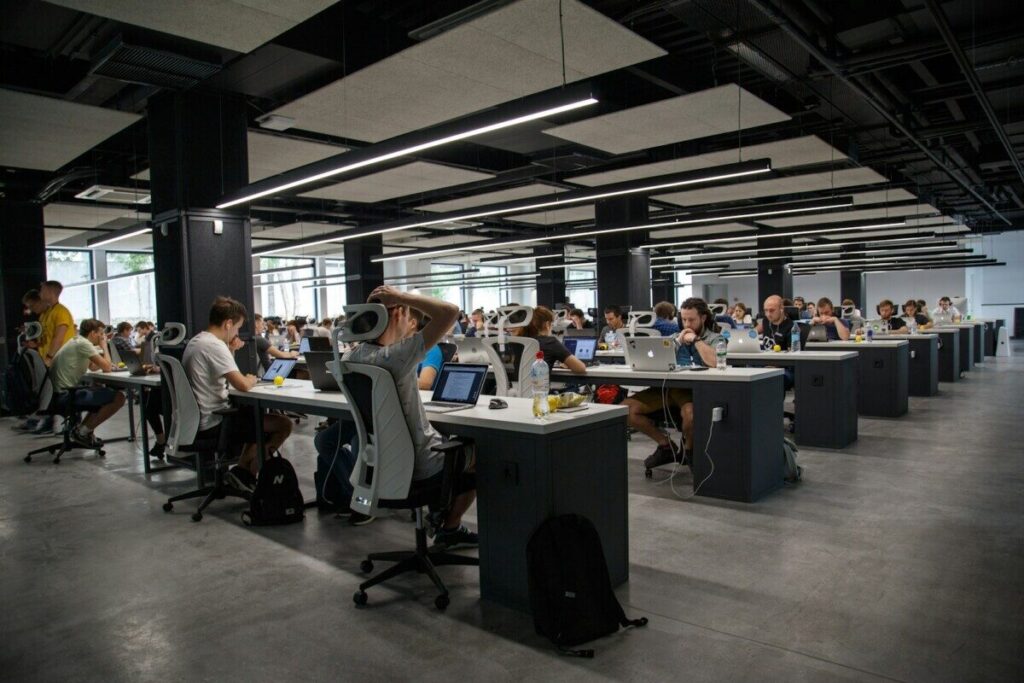
Let’s be honest: nobody does their best work in an office space that feels like a greenhouse, the Arctic, or a sea of dull grey desks and strip lighting. Workplace comfort is the foundation of how people think, collaborate, and get things done; when a space feels right, everything flows more easily. When it doesn’t, even simple tasks can feel like hard work.
The good news is that you don’t need a dramatic office overhaul to make a meaningful difference. Comfort is usually the result of lots of small, thoughtful improvements working together. A tweak to the lighting here, better temperature control there, smarter layout decisions throughout, and suddenly the whole space feels different. Modern technology simply makes those improvements easier, more precise, and more effective. Read on to learn how to put this into practice in your workspace.
Improving Lighting for Better Focus
Lighting can completely change how a workplace feels. Too bright and it’s clinical and harsh, but too dim and everyone feels like they’re working through a late-afternoon slump by mid-morning. And that’s not all: on top of being mentally strenuous, poor lighting also causes eye strain, headaches, and a drained feeling that creeps in long before the day is done. To fix this, natural light is your best friend, as it lifts mood, boosts alertness, and makes spaces feel open and energised. Even small changes, such as rearranging desks to face windows or using glass partitions instead of solid dividers, can dramatically increase the amount of daylight reaching your team.
When it comes to artificial lighting, this should be supportive rather than overpowering. Layered office lighting works far better than relying on one bank of bright overhead panels. Desk lamps, softer ceiling lights, and indirect lighting reduce glare and make the space feel calmer. Smart lighting systems can even shift brightness and colour temperature throughout the day, following natural light patterns to help maintain energy levels without anyone noticing the transition.
Managing Temperature and Air Quality
Few things derail concentration faster than being uncomfortably hot or cold. If half the office is reaching for their coat whilst the other half is desperately opening windows, something isn’t working. After all, temperature has a direct impact on focus, mood, and overall comfort.
Modern climate control systems allow far more precision than traditional setups. Smart thermostats for offices are invaluable for this, enabling your team to adjust heating and cooling based on how many people are in the space and what time of day it is. This prevents those awkward temperature swings that tend to happen in larger offices, keeping things steady, predictable, and comfortable.
Air quality matters just as much, considering that a stuffy office can leave people feeling sluggish and unfocused by mid-afternoon. Proper ventilation keeps fresh air circulating and helps maintain energy levels. Regular maintenance of HVAC systems for offices and the use of air purification technology can make a noticeable difference. Add a few well-placed air purifying plants and the whole environment feels fresher and more inviting.
Reducing Noise and Improving Acoustics
Open-plan offices are great for collaboration but not always so great for concentration. Background chatter, ringing phones, and the steady hum of activity can quickly turn into a constant distraction. Without sound control, even the most beautifully designed office can feel chaotic. The solution often lies in softer materials: carpets, rugs, upholstered seating, and fabric wall panels absorb sound rather than letting it bounce around the room. These elements instantly make a space feel calmer, as well as more comfortable.
Meanwhile, acoustic ceilings can make a noticeable difference in larger or open plan spaces where sound tends to travel and echo. Designed to absorb rather than reflect noise, they help soften background chatter, reduce reverberation, and create a more balanced sound environment overall. This is particularly valuable in busy offices where multiple conversations and phone calls happen at once. By controlling how sound moves around the room, acoustic ceiling systems contribute to a calmer atmosphere without removing the energy or collaborative feel of the space.
Designated quiet rooms offer employees a much needed retreat when concentration is critical. Even in the most thoughtfully designed open office, there are moments when uninterrupted focus is essential, whether this is for detailed tasks, confidential calls, or simply resetting during a busy day. A dedicated quiet space provides that separation from background noise and movement. Knowing there is a place to step away to think clearly can reduce stress and support productivity, giving employees greater control over how and where they work.