How the UK’s Phone Infrastructure Is Changing for Good
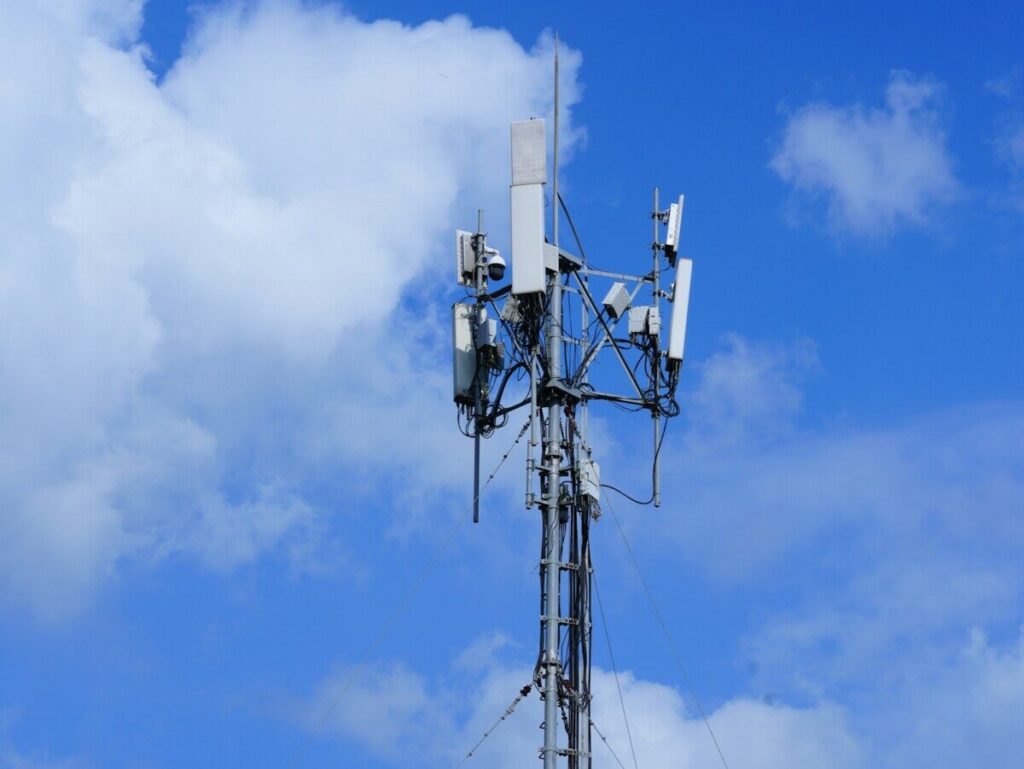
The UK’s telephone network is undergoing its biggest transformation since the telephone itself was introduced. The Public Switched Telephone Network (PSTN), which has relied on copper wiring for over a century, is being switched off. Every household with a landline will need to move to an internet-based service before January 2027. That deadline is closer than many people realise, and for millions of households, it raises practical questions about what happens next, what equipment is needed, and how to avoid being caught out by an existing provider.
Why the Copper Network Is Being Decommissioned
The PSTN has served the UK well, but it has reached the end of its practical life. Maintaining ageing copper infrastructure is increasingly costly, and the network cannot support the features and reliability that current communication demands. Ofcom and major telecoms providers have been pushing the transition for several years, and the January 2027 deadline marks the point at which all copper-based landlines will be retired for good.
Every UK home that currently uses a traditional landline will be affected. Some providers will migrate customers automatically, but those automatic migrations do not always land people on the most suitable or cost-effective plan. That is why many households are choosing to research their options now and switch to digital voice on their own terms, rather than waiting to be moved across by default.
Acting early gives you the opportunity to compare providers properly, understand what is included in a plan, and avoid being placed on a package that does not suit your needs or budget.
How Calls Are Made Over a Broadband Connection
Rather than travelling along copper wires, calls made over an internet-based service are converted into data and transmitted via your broadband connection. This is known as Voice over Internet Protocol, or VoIP. The process happens almost instantly and, provided you have a stable broadband connection, the call quality is noticeably clearer than what most copper-line users have been used to.
A digital voice service works through your existing router, and most people will not need to change their broadband provider. The equipment requirements are straightforward:
- An existing broadband connection — most standard packages are sufficient
- An analogue telephone adaptor — this allows you to keep your current handset
- Or a VoIP-enabled handset — which plugs directly into the router
One common concern is whether the transition is technically complicated. It is not. Setup typically takes a matter of minutes, and number porting — keeping your existing phone number — is handled by the provider as part of the sign-up process.
The Security Risks That Come With the Transition
The shift to internet-based telephony brings real benefits, but it also introduces vulnerabilities that did not exist with the old copper network. Fraudsters have been quick to exploit the change, and the statistics are stark.
A digital voice phone that lacks proper scam protection leaves users genuinely exposed. VoIP technology makes it easier for fraudsters to:
- Spoof caller ID and display a legitimate-looking number
- Impersonate banks, utilities, or government departments
- Target multiple households rapidly and at very low cost
This is not a fringe concern. It is a widespread and growing problem that the switch-off has, in many ways, accelerated. Choosing a provider that treats call security as a core part of the service should be one of the first considerations when comparing plans, rather than an afterthought.
What Households Should Look for When Choosing a Provider
Not all providers approach this transition equally. Some charge extra for features that others include as standard, and costs can vary significantly once add-ons are factored in.
Here are the key things to check before committing to a plan:
- Scam and fraud protection — Is it included, or does it cost extra? Some providers charge several pounds per month for basic call blocking, whilst others build it into every plan from the outset.
- Contract length — Many larger providers lock customers into 24-month contracts. Shorter initial terms with a rolling monthly arrangement offer considerably more flexibility.
- Call allowances — Check whether there are time limits per call. Some plans cut off calls after 60 minutes and apply an additional charge, which is worth knowing before signing up.
- Number porting — You should be able to keep your existing phone number without paying a porting fee. Confirm this before switching.
- Customer support — UK-based support makes a real difference if something goes wrong during setup or further down the line.
Taking the time to compare plans carefully means you are far less likely to end up paying for features you did not want, or missing out on protection you genuinely need.
Practical Steps Before the 2027 Deadline
Getting ready for the switch does not require a great deal of technical knowledge. A few straightforward checks will put you in a strong position well ahead of the deadline.
Check your broadband speed. Most standard connections are sufficient for VoIP calling, but it is worth confirming with your provider if you are unsure.
Assess your current handset. Analogue phones can usually be used with an adaptor, so there is rarely a need to buy new equipment unless you want to.
Think about power cut scenarios. Unlike copper lines, VoIP services require your router to be powered. A number of providers offer a companion mobile app that allows you to make and receive calls on your mobile using your home number, which provides a useful fallback if the power goes out.
Port your number early. Arrange the transfer as part of your sign-up process if keeping your current number matters to you. It typically takes between 7 and 14 working days, and your service should remain uninterrupted throughout.
Make the Switch Before It Is Made for You
The January 2027 deadline will arrive, and every UK landline user will need to have moved across by then. The households that fare best will be those that choose their provider deliberately, with a clear understanding of what they need from a service.
A good plan should be straightforward to set up, transparent on pricing, and protective by design. The technology is reliable and well-established. Getting ahead of the change puts you firmly in control of the process, rather than leaving that decision to your current provider.




