Why Good Ideas Don’t Happen in Isolation
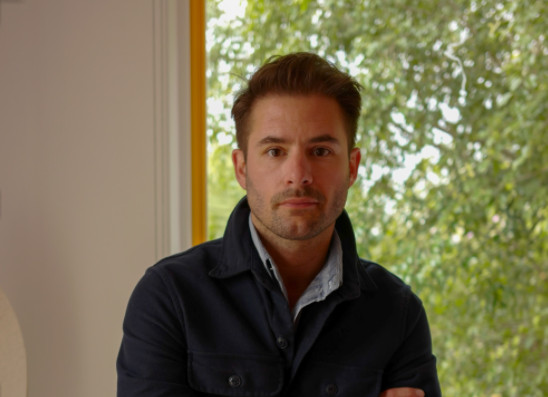
As long as I can remember, I’ve been influenced by space, not just how things look, but how they feel and really what the overall experience is in a space. The light, the materials, the flow of movement, the smell, the small details that most people don’t consciously register. Over time, I came to believe that those details matter, and that the cumulative effect of small decisions is what makes a space somewhere people actually want to be. The details are the difference between visiting somewhere, and visiting somewhere memorable. That instinct has stayed with me, and as my career evolved, I began to see how much that same principle applies to how we work and, more importantly, how we think.
Early on, I worked in a very typical corporate environment. The senior team had offices with views, while everyone else sat in internal rows, organised by role, function and hierarchy. It was efficient and logical, but completely optimised for output rather than interaction. You could spend an entire day without speaking to anyone outside your immediate team. Unsurprisingly, it wasn’t an environment where ideas moved easily. That structure still exists in many organisations today. Work is segmented by department, by discipline, by level. Collaboration is scheduled rather than natural, and interaction becomes something you plan rather than something that happens. Change is uncomfortable, change takes time.
And yet we continue to talk about innovation as if it’s an individual act. It isn’t. Ideas don’t happen in isolation. They don’t emerge fully formed, and they are rarely uninfluenced. The notion that the best thinking comes from someone working alone in a garage or a dorm room is a convenient story, but it ignores how ideas actually develop. Good ideas build on other good ideas. They improve through exposure to different perspectives, different experiences and different ways of seeing the same problem. When people from different backgrounds and disciplines come together, something shifts – assumptions are challenged, thinking becomes more precise, and directions change. That’s where the real work happens.
Community, however you choose to define it, plays a critical role in this. At its best, it acts as both a catalyst and a filter. It generates ideas, but it also tests them. It forces clarity and pushes people to refine or rethink their approach entirely. Even the strongest individual thinker benefits from that process. At Second Home, this belief sits at the centre of how we design and operate our spaces. We don’t see workspaces as neutral containers for activity, but as active participants in how people connect, collaborate and create.
That means designing for interaction rather than compartmentalisation. The role of space becomes fundamental – layout, light, colour and materiality all influence how people behave and how often they engage with one another. We think carefully about how people move through a space, where they pause, and where conversations might begin. Nature is a constant thread, not as an aesthetic choice but as a way to create environments people feel better in, and therefore spend more time engaging with. The goal is simple: to create the conditions where ideas can collide, we call them creative collisions.
Because that is what drives progress. Not isolation, but proximity. Not hierarchy, but exchange. We have seen it repeatedly, companies growing not just because of a strong product or strategy, but because of the environment they are in, surrounded by other people building, questioning and contributing in different ways. That kind of momentum is difficult to manufacture, but it can be designed for.
The way we structure work still prioritises efficiency, and the way we design space often reinforces separation. But if we care about better ideas, not just more output, then those choices need to be reconsidered. Ideas don’t improve on their own. They improve when they are exposed to other people. And that only happens when the environment allows it.
Jamie Apostolou is CEO of Second Home, with two decades of experience working at the intersection of creativity, design, and business across the US, UK, and Europe. His work centres on building design-led creative workspaces in London and Lisbon, and on shaping environments where architecture, culture, and community influence how people work and connect. Drawing on a broader career leading creative teams and businesses, he focuses on the role of space, design, and cultural relevance in driving creativity, community, and long-term business success.




