UK Adults Now Spend Over 4.5 Hours Online Every Day

According to Ofcom’s Online Nation 2025 report, UK adults now spend an average of more than 4.5 hours online every day. Two tech giants, Google and Meta, actually account for more than half of that time as well.
The internet has become a place where a bulk of Brits spend their time, whether for leisure or work. This shift hasn’t been slow, over the last 5-10 years, it has increased dramatically with platforms like Instagram, TikTok, and YouTube.
The Mobile-First Shift
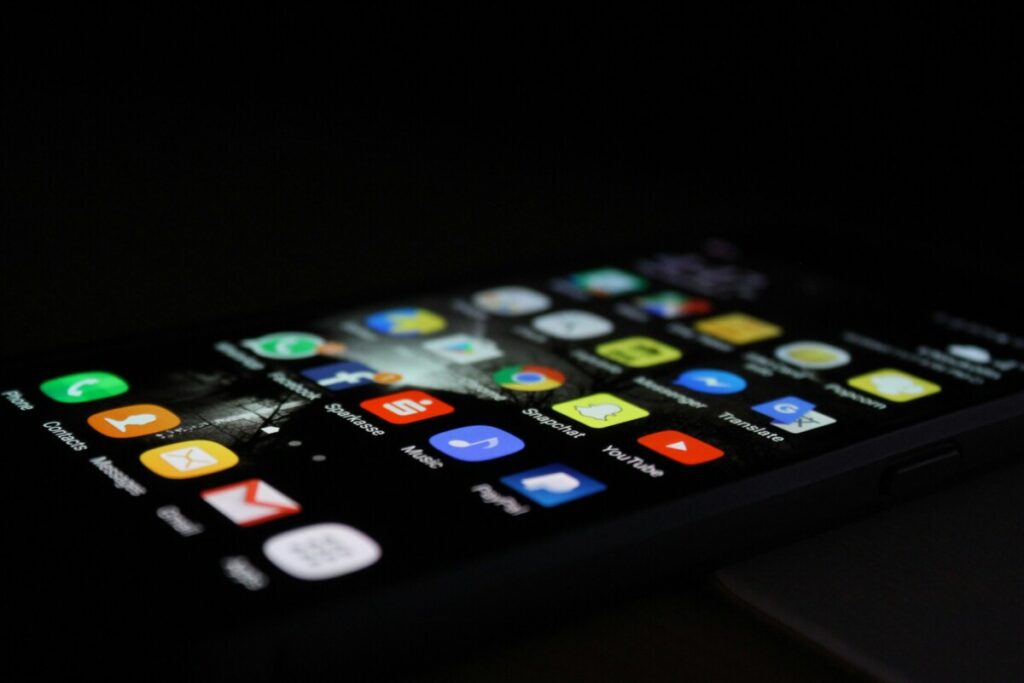
A lot of this internet time is spent on a mobile device. In the same report, they actually discovered that an adult in the UK uses around 41 apps each month.
The mobile-first shift is also driven by accessibility. Most adults in the UK have access to a smartphone. Therefore, it’s an affordable way to search, entertain yourself, or communicate with people.
These devices are also used for entertainment. Social media, video-sharing platforms, and even casinos are at the top of this list. All offer affordable entertainment. Social media is free, video sharing is free, and low-stakes online slots start at pennies, like the game Honeylock’s Pots.
This is where we believe attention is heading, towards inexpensive and accessible entertainment. And with smartphones and apps powering this movement, it certainly won’t slow down anytime soon.
Where the Rest of the Time Is Going
 Source: Unsplash
The Ofcom report shows us where a lot of this app time is going. YouTube leads the way, which is used by 94% of adults with a daily viewing time of around 51 minutes.
Facebook and Messenger are up there as well. 93% of adults have them, averaging 42 minutes a day. WhatsApp is also used by 76% of UK adults, and they spend 17 minutes a day on it.
Google Search is still around. It accounts for 3 billion UK searches per month. Therefore, a ton of time is still being spent on traditional search channels.
Why This Matters
The numbers uncover how adults in the UK spend their leisure time. Traditional media, like print, radio, and broadcast TV, though still popular, are slowly losing ground to mobile.
But why is this? We believe it’s because of accessibility, personalisation, and affordability.
Let’s compare TV and YouTube, for example. With TV, you have specific shows at specific times. It may be something you want to watch or not. YouTube, on the other hand, has extreme personalisation; you’re able to watch whatever you want to watch at that specific moment.
Now, add costs and accessibility to this, and it beats traditional TV once again. It’s free, with ads, and can be used on any smartphone device wherever you are in the world (as long as you have an internet connection).
Looking Ahead
As the years go by, daily screen time will only increase. This is because we’re performing more tasks on our smartphone, whether it’s work, leisure, or communication. However, this isn’t necessarily a bad thing. It has made our lives easier. For businesses, though, it presents an opportunity to gain some of that extra screen time.
—
Header image Source: Unsplash




