6 Ways to Tighten Security for Your Digital Wallets and Credit Cards
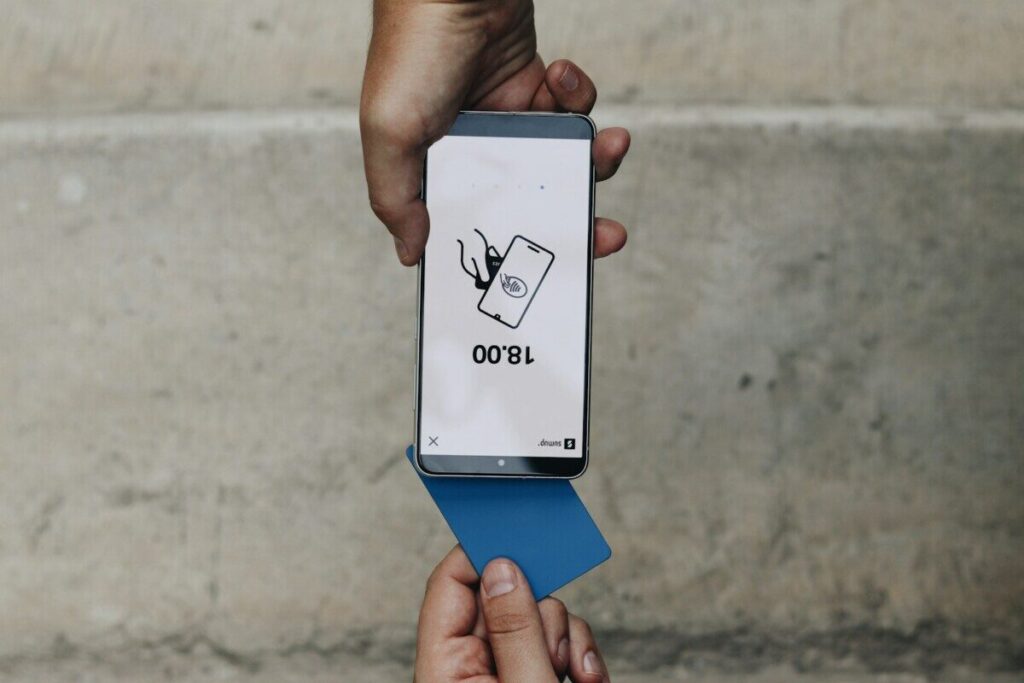
Credit cards and digital wallets serve as common payment systems in today’s market. They’re designed to make everyday transactions more convenient, and their wide acceptance both among individuals and businesses attests to their ease of use and reliability. However, the popularity of these payment methods also makes them a target for security threats.
How can you keep yourself and your money safe when using your credit card or digital wallet?
In this article, we explore some of the safest credit card and digital wallet practices and how adopting them will let you enjoy the benefits of e-wallets and credit cards like those from Maya with greater peace of mind.
1) Use Strong Login Credentials and Biometrics
Perhaps the simplest way to keep your credit card or digital bank account safe is by using strong login credentials. Weak passwords, or those based on names or birthdays, as well as reused passwords put you at greater risk of hacking or identity theft. This is because certain personal information may be readily accessible through public records or social media. Cybercriminals, in turn, can use combinations of letters and numbers from these details to guess your passwords.
Strengthen your passwords by using a mix of letters, numbers, and symbols, and make sure that they are unique to each account. Additionally, consider changing them periodically rather than sticking with the same one indefinitely.
Aside from passwords, most devices and apps now support biometric verification such as fingerprint or facial recognition. These are added security features that most outsiders cannot bypass. For instance, even if someone manages to steal your password, they will not gain access to your digital wallet without your physical biometric approval. Activate and maximize these features to protect your information and digital funds.
2) Enable Two-Factor Authentication (2FA)
Even the strongest passwords can be compromised through phishing or data breaches. Thus, beyond setting strong passwords, enabling two-factor authentication is a critical step for protecting your accounts. With 2FA, you provide not only your password but also a second form of verification, such as a code generated by an authenticator app or a message sent to your phone. This ensures that even if criminals learn your password, they cannot access your wallet or credit card account without also intercepting the second step.
Many people might dismiss two-factor authentication as just an extra task, but what they might not realize is that it is one of the most effective ways to block unauthorized access. What’s more is that banking and payment apps now make it easy to set up and manage 2FA. Once you’ve enabled this feature, you can log in with greater confidence knowing there is a much stronger barrier between your money and potential attackers.
3) Monitor Transactions and Set Alerts
Protecting your credit card and digital banking accounts is not just about leveraging high-tech security measures. It can also be as simple as building habits that can help you become more aware of potential threats and act quickly to minimize their impact on your finances. A weekly review of your credit card and wallet activity, for instance, can reveal unfamiliar or suspicious charges that may signal fraudulent activity. Be mindful that criminals often begin with small attempts before escalating to bigger charges, thus early detection allows you to act before the problem grows.
In addition to conducting manual checks, you can also allow your bank or e-wallet to send notifications whenever a charge occurs. These alerts give you the opportunity to confirm whether it was you who made the transaction. Moreover, notifications are especially useful if your card details are stolen and used without your knowledge. In such a situation, receiving real-time updates lets you report the issue right away and freeze your card if necessary, preventing larger financial losses.
4) Avoid Unsecured Networks, and Use Encryption
Using public Wi-Fi may be a cost-effective and convenient way of accessing online banking services, but it is also one of the easiest ways for criminals to intercept your information. Since these networks are often unencrypted, there’s a chance that anyone with basic technical skills could see the data you transmit. Thus, logging in to your banking or digital wallet app on an unsecured network can expose your credentials and card information. This is why it’s best to use your mobile network or a secure, private WiFi connection whenever handling financial transactions.
If you’re left with no other option than public Wi-Fi, consider a virtual private network, or VPN, which encrypts the data passing between your device and the internet. This makes it harder for attackers to steal information. However, even with a VPN, it would still be safer to avoid conducting sensitive financial tasks in public places or on unsecured connections altogether.
5) Keep Devices and Apps Updated
Another often overlooked practice for securing your digital finances is keeping your devices and apps updated. Beyond new features or design changes, updates often include important patches for security vulnerabilities. When companies discover weaknesses in their software, they release updates to fix them. If you don’t install these updates, your device and financial apps are left open to exploitation by attackers who target known flaws.
The same principle applies to your digital banking or credit card apps, so keeping them up to date is critical. You can make this process easier by enabling automatic updates, which helps ensure your accounts are always protected.
6) Act Fast on Loss or Suspicion of Fraud
When dealing with a lost card or signs of fraud, remember that time is of the essence. If you suspect unauthorized use, lock or freeze your card immediately to stop additional charges before they happen. Before all these, check your banking app or digital wallet platform to see if they have quick-lock features that make it easy to block access with a few taps. Once the card is frozen, you can contact your provider to report the issue and arrange for a replacement.
Apart from locking your card, it would also be wise to remove it from all connected online accounts and devices. This prevents thieves from continuing to use the digital version of your card even if the physical card is blocked.
Making a Habit of Safe Digital Banking
Digital wallets and credit cards make payments faster and easier, thanks to technology. Yet, as indispensable as they might seem, especially in an increasingly digital world, these modern financial tools aren’t perfect. Consequently, they can still be prone to attacks that take advantage of certain weaknesses, particularly when it comes to how people handle their accounts.
Ultimately, while these payment options come with security features safeguarding your information and finances, taking the necessary steps to protect your account is still your duty as a user. Practicing vigilance in these areas not only reflects responsibility and awareness; it also creates a foundation for secure financial habits.




