One year on from major retail cyber attacks, how the industry can safeguard operations and shoppers – Yubico comments
In retail, consumer trust is the most important factor in maintaining brand reputation and reliability. A year ago, this valued trust was threatened amid a wave of sophisticated cyber attacks targeting household retail names – including M&S, Co-op, and Harrods – which sent a stark reminder across the high street: cyber criminals don’t discriminate, and no brand is immune to increasingly sophisticated attacks.
These incidents – among many others in recent years – prove that falling victim to a cyber attack is an industry-wide reality, not an isolated failure. With threat actors using increasingly advanced social engineering and phishing tactics to bypass traditional security defences, including legacy multi-factor authentication (MFA) like one-time passcodes (OTPs), it’s clear that even the most trusted retailers can quickly become a viable target. One year on, the anniversary serves as a critical rallying point for the vital retail sector to collectively modernise its approach to data protection.
To properly protect themselves, retailers must:
- Recognise the limits of legacy authentication: Organisations need to acknowledge that complex passwords and basic MFA like two-step verification are no longer sufficient against modern phishing and social engineering attempts
- Implement frictionless protection: Ensure that reinforced security and authentication methods secure customer and company data, even in the face of a convincing phishing attempt
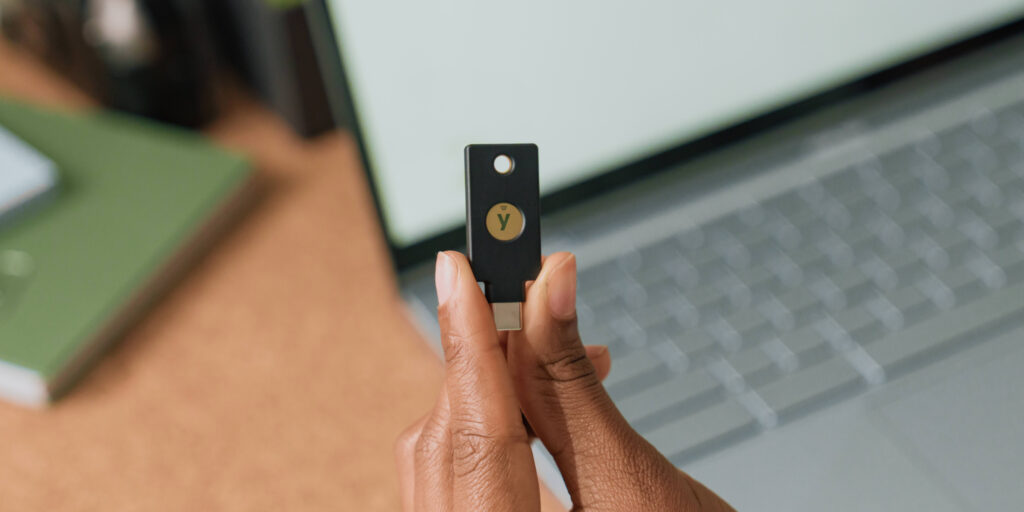
- Deploy phishing-resistant passkeys: Upgrade to phishing-resistant MFA solutions like passkeys for every single employee, which removes the burden on employees and vulnerabilities associated with insecure, manual credential entry
Niall McConachie, regional director (UK & Ireland) at Yubico, discusses how retailers can enhance their security posture and protect company and consumer data:
“As we reflect on the cyber incidents that impacted the retail sector over the last year, the main takeaway is that threat actors are constantly innovating with their tactics. We can no longer rely on the old advice of simply asking employees to create more complex passwords or using basic two-step verification. Scammers are now incredibly adept at bypassing these legacy defences, including the use of artificial intelligence (AI)-powered phishing to create increasingly sophisticated social engineering attacks. The focus shouldn’t just be about asking staff to be more vigilant; it’s about the industry adopting strong and capable infrastructure to stop these attacks at the source.
“The good news is that stepping up security doesn’t have to mean adding friction to the employee journey. By moving away from shared secrets and implementing phishing-resistant MFA, such as physical passkeys, retailers can eliminate the vulnerabilities of easily intercepted or forgotten credentials. Passkeys offer a seamless, passwordless login experience by replacing all the cumbersome, insecure login solutions with a simple-to-use cryptographic ‘key’ and verification method requiring the physical touch of the key – ensuring the person who’s supposed to gain access does. By combining hardware-backed protection with modern, phishing-resistant security, retailers can safeguard data and, most importantly, preserve customer trust.”




