Why Network Visibility Is Essential for Energy Infrastructure in Uncertain Times
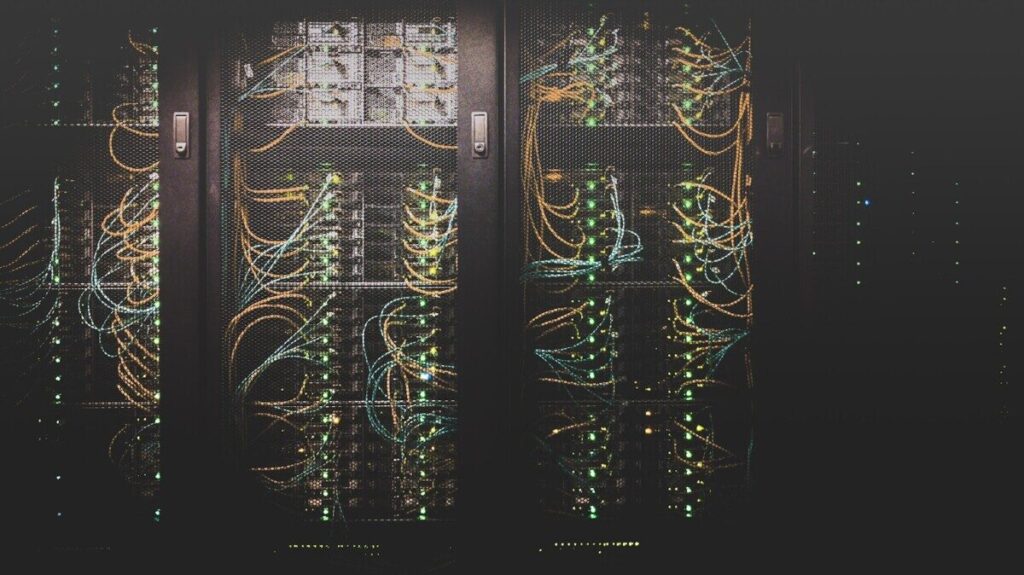
The way we deliver energy is more sophisticated than ever before. But with all the complexity we now have to contend with comes the opportunity for problems to creep in. With cloud services, remote access, and third-party connectivity to consider, among other factors, oversight becomes challenging.
For teams tasked with overseeing networks, it’s vital that problems be spotted early, so that swift corrective action can be taken. To do this, those teams will need the right expertise – and the right tools.
Why visibility underpins reliability and continuity
When you can’t see what’s caused a fault, you might be unable to get it fixed. In a complex system, this means that outages go on for longer, and that there are knock-on consequences for other essential services within the system. Engineers might be forced to work in the dark (often literally), and drawn away from other tasks in order to establish the cause of a problem.
When the network is highly transparent and visible, faults are identified more quickly. This creates a more robust and resilient system overall, even in volatile conditions.
Detecting issues early through monitoring and insight
So, how might issues be detected in practice? The answer usually lies in collecting the right kinds of data, being able to analyse it, and present it to key decision-makers as actionable insight. The performance of a small part of the system might degrade in a way that reveals an otherwise hidden failure. When the right monitoring is installed, and data is logged in such a way that it can be easily retrieved, it becomes possible to anticipate and deal with faults before they escalate. This is a feature of every effective network intelligence solution.
Visibility as part of resilience for Critical National Infrastructure (CNI)
Energy systems are essential for the functioning of any modern nation. A system that’s overly complicated and fragile might be vulnerable to severe disruption, as a result of pure chance, natural phenomena, or malicious actions by foreign adversaries. The right visibility makes it possible to see when incidents are unfolding, and to understand in greater detail what the situation looks like.
Practical priorities for improving network visibility
So, what might we do to improve network visibility? The first step might be to recognise that networks contain many different assets, some of which might represent a greater risk. More importantly, high-risk assets should be prioritised. What’s more, data should be recorded in a way that it can be easily digested and acted upon. Finally, there should be a clear process in place that governs how alerts are addressed and triaged, so that decisions are not being made blindly in the heat of an incident.




