Startup Spotlight: The Tech Behind Custom Gel Nail Stickers and On-Demand Beauty
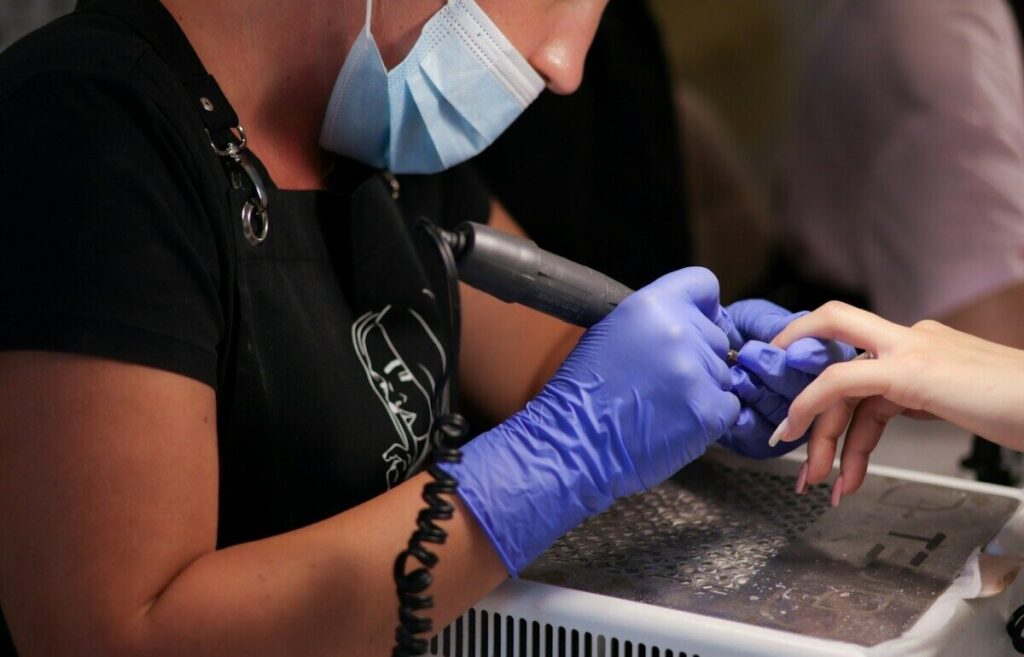
The beauty industry is undergoing a quiet but powerful transformation, driven by technology, personalization, and the rise of agile startups. What was once dominated by traditional salons and standardized products is now being reshaped by digital platforms, smart manufacturing, and consumer demand for convenience. One of the most compelling examples of this shift is the emergence of custom gel nail solutions—particularly in the form of innovative, easy-to-use alternatives that blend fashion with functionality.
At the center of this movement are startups leveraging technology to redefine how consumers interact with beauty products. From AI-powered customization to on-demand production, these companies are creating a new category that sits at the intersection of tech, fashion, and self-expression.
The Rise of On-Demand Beauty Technology
On-demand services have already transformed industries like transportation, food delivery, and entertainment. Now, beauty is catching up. Consumers increasingly expect fast, personalized solutions that fit seamlessly into their daily routines. This expectation has opened the door for startups to rethink how beauty products are designed, produced, and delivered.
In the nail care segment, traditional salon visits can be time-consuming and costly. Tech-driven alternatives are addressing these pain points by offering products that deliver salon-quality results at home. Through mobile apps and online platforms, users can browse designs, customize styles, and receive products tailored to their preferences—all without stepping outside.
The integration of user-friendly interfaces, data analytics, and rapid fulfillment systems allows these startups to operate efficiently while maintaining a high level of personalization. This is particularly appealing to younger, tech-savvy consumers who value both convenience and individuality.
Customization Meets Smart Manufacturing
A key differentiator in this space is the use of advanced manufacturing technologies. Startups are increasingly adopting digital printing, automation, and AI-assisted design tools to create highly customized beauty products at scale. This approach eliminates the need for mass production and reduces waste, aligning with broader sustainability trends in fashion and beauty.
For example, customers can upload images, select color palettes, or choose from curated templates to create unique nail designs. Behind the scenes, software systems translate these inputs into precise production instructions. The result is a product that feels bespoke but is produced with the efficiency of a modern supply chain.
This is where products like gel nail stickers come into play. They represent a convergence of material innovation and digital design, offering durability, flexibility, and aesthetic appeal in a format that is easy to apply and remove. For startups, these products are not just a trend—they are a scalable solution that aligns with the demands of a digital-first market.
Moreover, the use of data allows companies to continuously refine their offerings. By analyzing customer preferences and purchasing behavior, startups can predict trends, optimize inventory, and deliver more relevant products. This data-driven approach is a hallmark of successful tech ventures and is now becoming standard in the beauty sector.
The Startup Ecosystem Driving Innovation
The growth of this niche is supported by a broader ecosystem of investors, accelerators, and technology partners. Venture capital firms are increasingly interested in beauty-tech startups, recognizing the potential for high margins and strong consumer engagement. At the same time, collaborations with software developers and logistics providers enable these companies to scale بسرعة and expand into new markets.
Another important factor is the role of social media. Platforms like Instagram and TikTok serve as both marketing channels and trend incubators. Startups can quickly test new designs, gather feedback, and build communities around their brands. This direct connection with consumers reduces reliance on traditional advertising and allows for more authentic engagement.
In addition, sustainability is becoming a core value proposition. Many startups are exploring eco-friendly materials, reducing packaging waste, and implementing ethical production practices. These efforts resonate with environmentally conscious consumers and further differentiate tech-driven brands from legacy players.
Looking ahead, the convergence of technology and beauty is expected to accelerate. Innovations such as augmented reality try-ons, blockchain-based supply chain transparency, and even wearable tech integrations could further transform how consumers experience beauty products.
Conclusion
The evolution of custom gel nail solutions is a clear example of how startups are redefining traditional industries through technology. By combining personalization, smart manufacturing, and digital platforms, these companies are not only meeting modern consumer expectations but also setting new standards for convenience and creativity.
As the on-demand beauty market continues to grow, the startups leading this charge will likely play a significant role in shaping the future of both fashion and technology. For consumers, this means more choice, greater flexibility, and a beauty experience that is truly tailored to their lifestyle.




