You Don’t Control Delivery, But You Own the Outcome
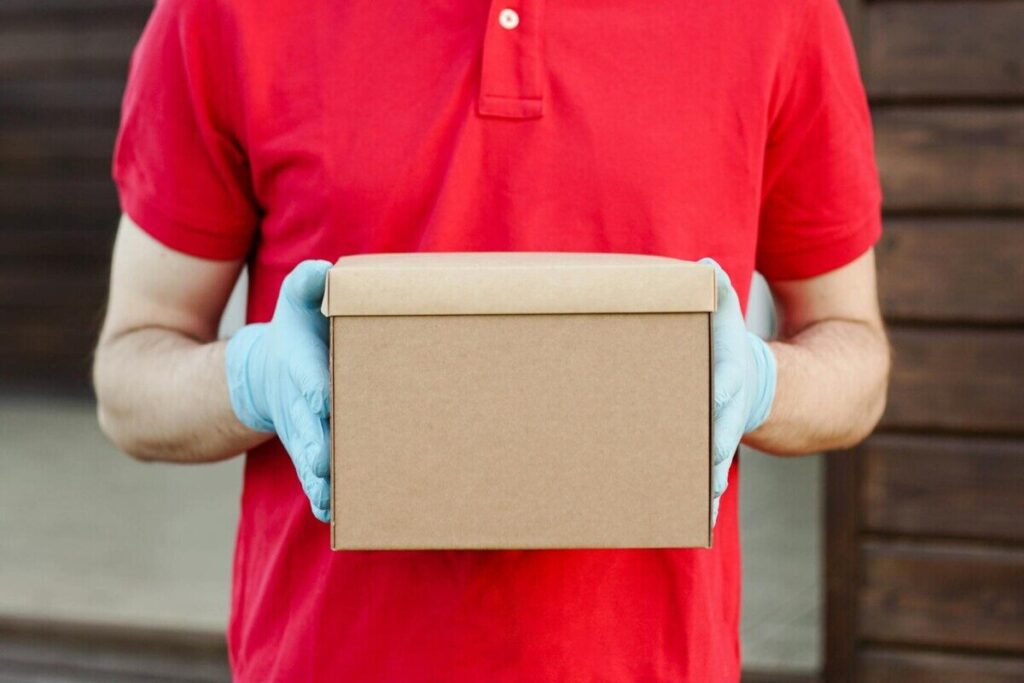
Most ecom brands treat delivery as the final step of the transaction. While they handle selection, payment and dispatch, once a product is handed off to the carrier, from their perspective, the jobs done. From the customer’s perspective, that’s not how it works.
The customer pays for what arrives at their address. And they expect it to do so on time and in good condition. That delivery process is part of the customer experience, whether it is in brand control or not. And when something goes wrong, the customer perceives it as the brand breaching trust. It’s not a logistical issue. They simply haven’t delivered as promised.
Research by Citizens Advice found that 37% of UK consumers experienced a problem with their most recent parcel delivery. This figure has remained largely unchanged, despite innovation in the sector. None of the UK’s five largest carriers achieves a four-star service rating. This is the baseline that customers now expect.
For some categories of goods, the problems caused by delayed or damaged parcels can be managed relatively easily. Businesses dealing in goods which are large, heavy, or difficult to handle work within a much smaller error margin. In these cases, customers may book time off work to meet a delivery schedule. That time can’t be recovered, and neither can the time required for any replacement delivery. The brand must assume responsibility for handling any associated complaint, despite not being at fault.
Under UK consumer law, the contract is with the retailer and so the customer doesn’t pursue the carrier. The refund, the replacement, and the explanation all come from the same place. That part of the process most visible to the customer is the part that the brand has least control over.
The UK’s delivery infrastructure is optimised for volume, not variation; it performs better with small boxes than it does with costly pallet or heavy deliveries requiring specialist transport and coordinated action. Customers ordering furniture, for example, are comfortable with a longer delivery lead time, but they still expect a confirmed delivery date and a delivery that matches with what they were told to expect. They also expect updates if something changes.
Meeting these expectations, or not, has direct commercial consequences. Failed delivery affects the workload of staff across multiple levels and departments; it impacts future customer purchasing behaviour and it also shows up in public feedback. Reviews on platforms like Trustpilot rarely breakdown customer experience into its constituent parts. Bad product or bad delivery, it is the brand which faces the music.
That really matters. Customer acquisition costs are already high, and a poor delivery experience makes it less likely that a customer will buy again. It also increases the risk of that customer turning vocal detractor, which, in turn, impacts future market spend and weakens customer trust well beyond the original transaction.
Avoiding these outcomes means adapting to carrier limitations. Narrow delivery windows because broad estimates create uncertainty; communicate earlier because silence increases the chance of escalation. Select carriers based on performance rather than price, even when that decision affects margins.
UK last-mile delivery market is forecast to reach over £7 billion within the next four years, growth driven largely by increased parcel volume and demand for same-day delivery in urban areas. The bulk carrier sector is projected to grow alongside it, supported by the continued popularity since 2020 of home improvement and outdoor living including products like composite decking from Ultra Decking. However, the systems which currently allow for the managed delivery of heavy products have evolved at a much slower rate than those used for more common parcel types. This makes it harder for businesses to address the problem directly, but those that do stand to achieve a clear market advantage.
The delivery experience will continue to influence how businesses, and their products, are perceived by the market, irrespective of other considerations like build quality or performance. Those businesses that choose to manage delivery as part of the customer experience will outperform those that treat it as a cost to minimise. Any decision to continue to cut delivery costs at the expense of reliability will only cost more in the long term.
Allan Jeffrey, founder and CEO of Ultra Decking




