How technology can reduce holiday stressors
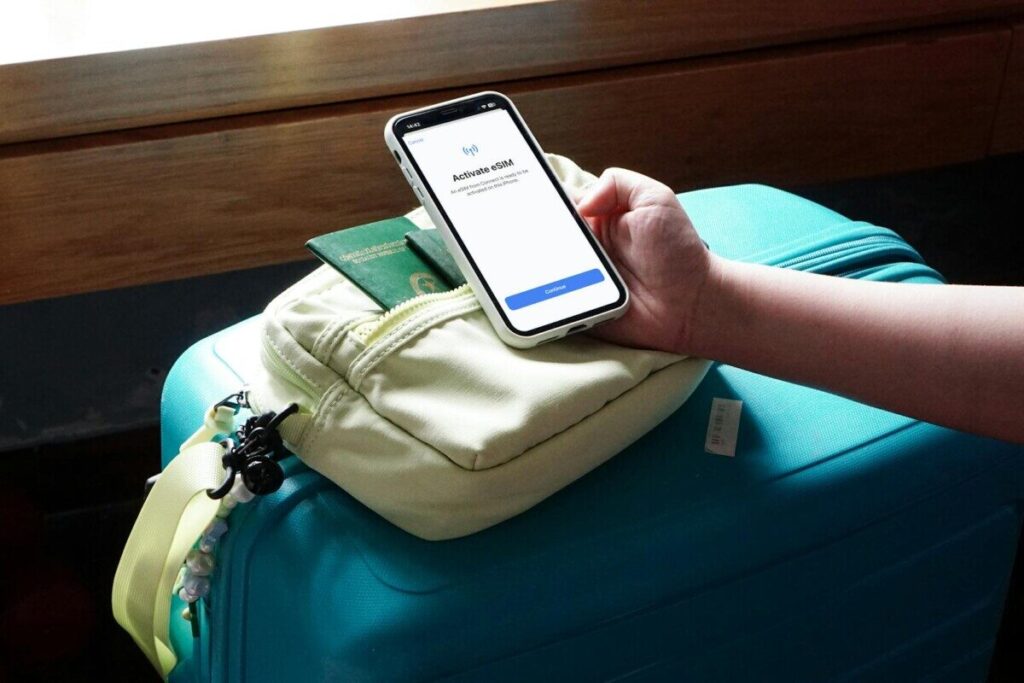
Planning a holiday should feel exciting, yet for many travellers, the experience can quickly become overshadowed by delayed flights, border queues, booking confusion, or last-minute disruptions. In 2026, however, travel technology is helping to remove many of the common stress points that once felt unavoidable.
From AI-powered planning tools to biometric border systems and real-time disruption alerts, digital innovation is giving holidaymakers more control before, during, and after their journeys. For UK travellers, understanding how these tools work can make the difference between a stressful trip and a smoother, more confident experience.
Smarter journey planning with AI travel tools
Trip planning has become significantly more intelligent in recent years. AI-powered travel platforms can now compare thousands of routes, monitor changing prices, recommend quieter travel days, and even build personalised itineraries based on budget, interests, and trip length. Instead of managing multiple confirmation emails, separate tickets, and printed documents, integrated travel apps increasingly keep everything in one secure place.
This can dramatically reduce pre-departure stress, particularly for travellers planning a 2026 holiday who want instant updates on gate changes, hotel bookings, insurance policies, and airport transfers. As AI tools become more accurate, travellers are spending less time organising logistics and more time focusing on the experience itself.
Digital borders, e-gates, and biometric travel
Border crossings are also changing rapidly. UK travellers heading into Europe are beginning to see the rollout of the EU’s Entry/Exit System, alongside wider adoption of biometric verification and automated eGates. These technologies are designed to speed up passport checks by using facial recognition and digital identity verification instead of manual stamping.
While any major infrastructure change can bring an adjustment period, the long-term goal is smoother border processing and improved security. Recent travel guidance from airports and transport providers suggests that travellers who prepare documentation digitally and arrive informed are likely to experience fewer delays as these systems become standard across Europe.
Using real-time alerts to avoid travel disruption
Static booking confirmations are no longer enough in an era of changing weather patterns, transport strikes, and occasional IT outages. Real-time travel apps now notify passengers instantly about gate changes, cancellations, rebookings, and alternative routes.
Recent aviation technology shows how early-warning systems are helping reduce operational disruption before delays spread across networks. Live data is increasingly becoming one of the most valuable tools in modern travel.
Cybersecurity and digital safety while travelling
As travel becomes more connected, digital safety matters just as much as physical security. Password managers, VPNs, app-based fraud alerts, and cautious use of public Wi-Fi can all help protect personal information while abroad.
Ultimately, introducing simple digital habits can reduce exposure to scams, phishing attempts, and unsecured networks. In 2026, smart travel is not just about convenience. It is about travelling with confidence, resilience, and peace of mind.




