How AI and passenger-counting technology are helping employers cut commuter emissions
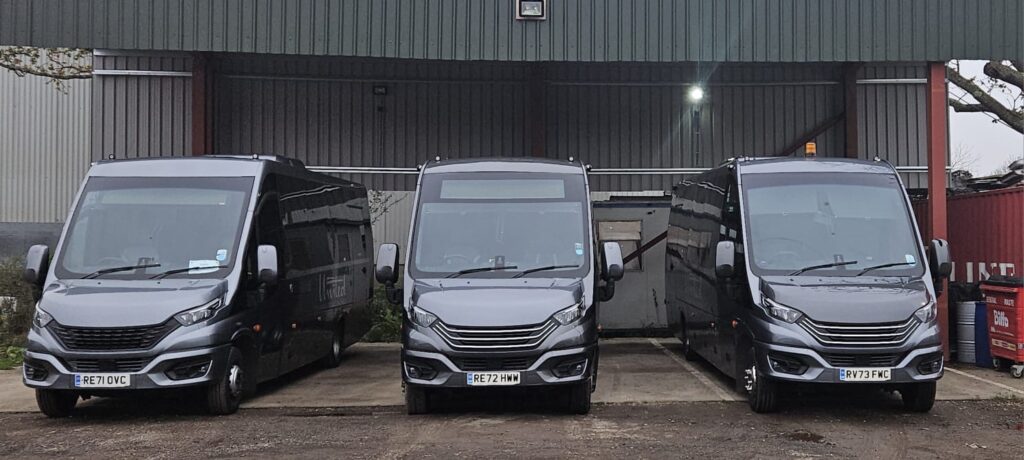
More businesses are turning to technology-led workplace shuttle services to reduce transport emissions, improve access to jobs, and support staff travelling outside standard working hours.
United Minibuses and Coaches, one of the South’s leading providers of coach and minibus hire services, said it has seen growing interest from employers that want to use data to reduce unnecessary mileage, avoid wasted capacity and make staff transport more efficient.
The company uses anonymised passenger-counting technology to understand how services are being used, identify peak travel periods and help clients design shuttle routes around real demand. It also uses AI technology across its fleet to support safety, monitoring and operational oversight.
United said enquiries for its staff shuttle services have increased by up to 300% year-on-year. So far, United Minibuses and Coaches has helped 30 employers introduce, redesign or improve workplace shuttle services. These services support up to 3,000 staff and are estimated to reduce up to 1.5 million to 2 million private car miles each year.
The company said this could equate to an annual carbon saving of around 350 to 450 tonnes of CO₂e, based on avoided private car journeys being replaced by shared transport.
United recently worked with an international manufacturer of simulation technologies to redesign staff transport at its UK centre. The new service helped reduce daily mileage by 57%, from 287 miles to 123 miles. It also cut transport time by nine hours per day.
Zubair Rasool, Senior Director at United Minibuses and Coaches, said: “Right now, a lot of businesses are being asked to show real progress on sustainability. The challenge is knowing where to start. In most cases, staff transport is overlooked, despite it being one of the easiest places to make a real difference. You can reduce miles, cut emissions, and see the impact quite quickly.
“But it’s not just about carbon. In industries where shifts start early, finish late, or run through the night, getting to and from work can be a real barrier. If someone can’t rely on transport, this may put them off taking a job or even make it harder to stay in one. Putting reliable transport in place removes this barrier and reduces some of the stress that comes with getting to and from work every day.
“Shuttle services make roles more accessible, opening things up to a wider pool of talent, and give staff a bit more confidence that they can get home safely after a long shift. Not to mention, commuting is becoming more expensive. So when employers cover part of that journey, it can ease pressure.”




