5 Reasons UK Businesses Are Moving to Dedicated IoT SIM Cards
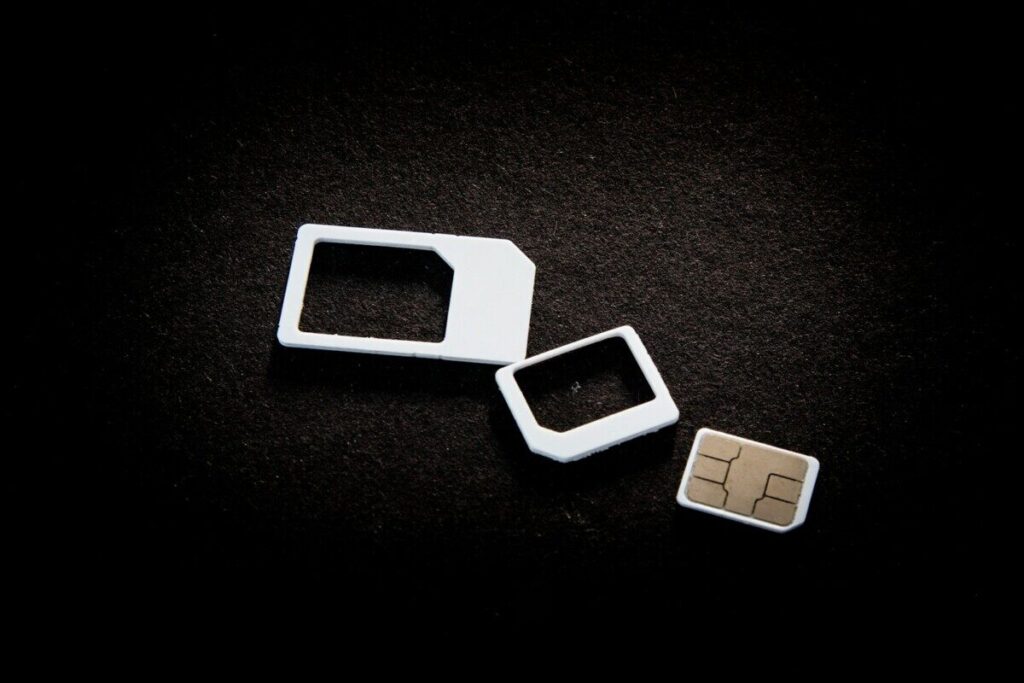
The Internet of Things is reshaping British industry at pace. From smart meters and logistics trackers to industrial sensors and remote monitoring equipment, connected devices are now central to operational strategy across sectors. But as IoT deployments scale, one component quietly determines whether they succeed or fail: the SIM card.
Standard consumer SIMs, designed for smartphones, increasingly show their limitations in machine-to-machine environments. That is why a growing number of UK organisations are making a deliberate move to dedicated IoT SIM solutions. Here are five compelling reasons behind that shift.
1. Industrial-Grade Durability
IoT devices routinely operate in conditions that would destroy a standard SIM. Manufacturing floors, outdoor utility monitoring, cold-chain logistics, and agricultural sensors all expose hardware to temperature extremes, vibration, moisture, and dust. Dedicated IoT SIM card UK products are built to industrial MFF2 specifications, soldered directly onto circuit boards and rated to operate across wide temperature ranges. For UK businesses deploying devices in the field, this durability translates directly into reduced maintenance costs and fewer unexpected failures in the field.
2. Multi-Network Roaming Without Consumer Restrictions
Consumer SIMs are locked to a single operator and come with fair-use policies that throttle data or restrict roaming. IoT SIMs operate on multi-network profiles, automatically steering connections to the strongest available signal across all UK networks. For fleets that move between urban centres and rural areas, or devices installed in locations with inconsistent coverage, this steering capability dramatically improves uptime. Some providers also offer global roaming agreements, making the same SIM viable for international deployments without requiring physical SIM swaps.
3. Centralised Management at Scale
Managing hundreds or thousands of SIM connections through a consumer portal is not practical. Dedicated IoT SIM programmes come with management platforms that allow businesses to activate, suspend, and deactivate SIMs in bulk, monitor data consumption in real time, set usage thresholds, and generate detailed usage reports. This operational visibility is particularly valuable for IT managers and operations directors overseeing large device estates, where the ability to spot anomalies or control costs at the individual connection level is critical to maintaining operational efficiency.
4. Predictable, Pooled Data Pricing
Consumer tariffs charge per SIM, per month, regardless of whether data is actually used. IoT deployments typically have highly variable usage patterns. Some devices transmit constantly while others send only periodic small bursts of telemetry. Dedicated IoT SIM programmes use pooled data models, where a shared allowance is distributed across all devices in a fleet. This approach eliminates waste on low-usage devices and prevents overage charges on high-usage ones, producing significantly more predictable monthly bills for procurement and finance teams managing large connected estates.
5. UK-Specific Regulatory and Compliance Benefits
For organisations operating under UK GDPR, sector-specific data regulations, or government procurement requirements, where data is processed and routed matters. Dedicated UK IoT SIM providers can offer data routing through UK-based infrastructure, supporting compliance with data residency requirements. This is particularly relevant in healthcare, utilities, financial services, and public sector deployments, where demonstrating data sovereignty can be a contractual or regulatory obligation that affects procurement decisions.
Making the Right Choice for Your Deployment
Not all IoT SIM offerings are equal. When evaluating options, UK businesses should assess network coverage breadth across all target deployment locations, management platform capabilities, contract flexibility, and the provider’s experience with deployments of a comparable scale and sector. The best IoT SIM card UK solutions combine strong network operator agreements, robust management tooling, and commercially transparent pricing designed specifically for machine connectivity rather than adapted from consumer mobile tariffs.
As IoT deployments grow more complex and mission-critical, the SIM card is no longer a commodity afterthought. It is a foundational infrastructure choice that deserves the same evaluation rigour as any other enterprise technology investment, with long-term operational implications that extend well beyond the initial procurement decision.




