How Organisations are Reducing E-Waste
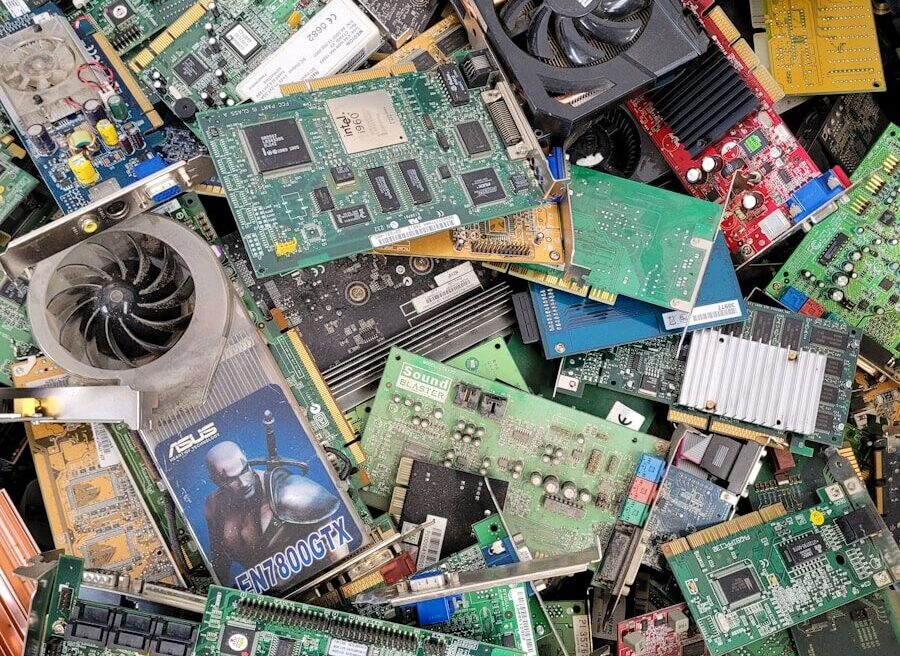
Reducing e-waste has become a big priority for many UK organisations. In the modern era, businesses rely heavily on IT and electrical equipment, but this reliance can create challenges when it comes time to upgrade or replace it. Managers should understand the main steps to take to reduce e-waste and how these approaches can be implemented in their own business. Keep reading to find out more.
Audit Your IT Estate & Extend Device Lifecycles
Organisations are reducing e-waste by tracking hardware inventories, assessing devices’ condition, and extending the lifespan of laptops, monitors, smartphones, and other equipment through maintenance, upgrades, and repairs. There are clear business benefits to moving away from a frequent replacement cycle towards a more circular approach, including reducing costs and environmental impact. Reuse and repair are key principles within e-waste reduction strategies, so always look to see if you are able to extend the lifespan of equipment before replacing it.
Build Sustainable Procurement Policies
Procurement teams can reduce future e-waste by purchasing durable, repairable, and upgradeable equipment, as well as considering refurbished devices where appropriate. Circular economy principles can influence purchasing decisions and reduce the volume of equipment reaching end-of-life, helping businesses minimise waste. Sustainable purchasing policies should be developed that assess the lifespan, repairability, and end-of-life management of accessories such as cordless chargers alongside larger IT assets.
Create a Reuse & Refurbishment Programme
Organisations are also developing reuse and refurbishment programmes that help them get the most out of their equipment. This can involve redistributing equipment internally, donating suitable devices, selling surplus assets, or partnering with refurbishment specialists. Structured refurbishment programmes can keep equipment in use for longer and reduce disposal volumes while supporting sustainability goals.
Ensure Compliant Recycling & Disposal
It is also important to have clear end-of-life processes for electrical equipment, including data destruction, recycling, and compliance with Waste Electrical & Electronic Equipment (WEEE) regulations. Organisations can work with authorised partners and maintain records to demonstrate responsible disposal practices. There often comes a time when equipment no longer serves a purpose or cannot be repaired, so understanding how to safely dispose of equipment is vital.
Every business should be looking to reduce their e-waste. Organisations rely heavily on IT and electrical equipment, so knowing how to get the most out of this equipment, reduce costs, and minimise the impact on the environment is essential. By auditing your IT estate and extending device lifecycles, building sustainable procurement policies, creating a reuse and refurbishment programme, and ensuring compliant recycling and disposal, you can minimise e-waste and reduce your overall environmental impact.




