Proton Rolls Out Business Continuity Tools as Firms Rethink Reliance on Big Tech
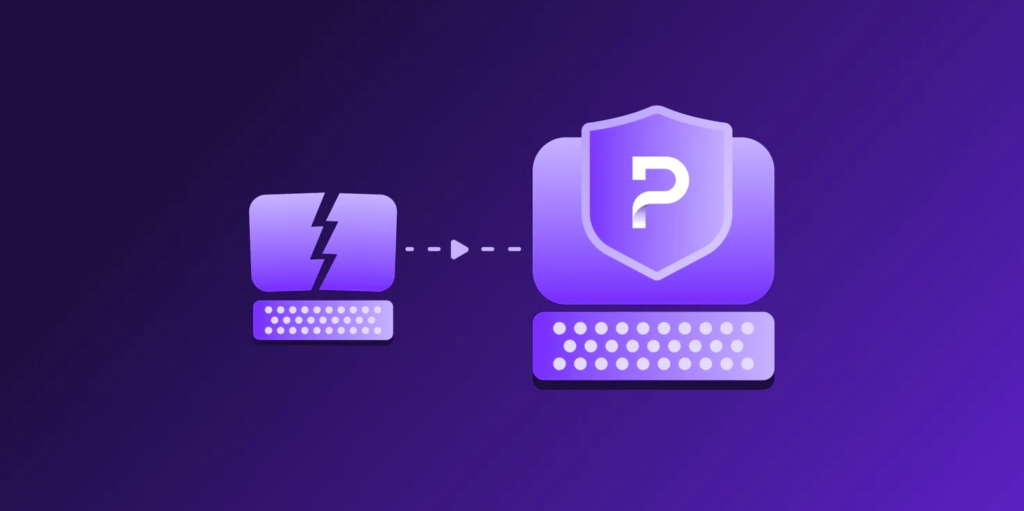
Proton, the Swiss company behind the encrypted email service Proton Mail, has launched a new business continuity offering designed to keep companies’ email and video calls running if their main technology provider suffers an outage or becomes unavailable.
The move reflects growing unease among businesses, governments and nonprofits about how much of the world’s day-to-day communication depends on a small number of American cloud giants. Proton notes that email and messaging tools used across most organisations typically run on infrastructure provided by Amazon Web Services, Microsoft Azure or Google Cloud, meaning a single outage at any one of them can disrupt communications for thousands of unrelated businesses at once.
Beyond technical failures, Proton is also highlighting a geopolitical risk: because US cloud and software providers are legally required to comply with US government orders, access to those services could in theory be restricted or withdrawn for customers outside the United States, regardless of where a business is based.
Cheap ‘dormant’ accounts, activated on demand
The new service lets businesses set up two types of Proton accounts in advance. A smaller number of ‘active’ accounts, for IT staff and senior leadership, can be configured and tested immediately. The rest of the workforce is covered by ‘dormant’ accounts, offered at a reduced price, which sit ready in the background until they are switched on.
- Before a crisis: businesses work with Proton to map out which people and functions need to stay online, then set up active and dormant accounts and, optionally, their existing email domain inside Proton Mail.
- During a crisis: an IT administrator changes a single DNS setting (the MX record) to redirect email to Proton’s servers, and staff log in with credentials shared in advance or sent out at the time.
- The result: teams can keep emailing and holding video calls via Proton Mail and Proton Meet, hosted on infrastructure Proton says is entirely separate from Google, Microsoft and AWS.
Proton says no new software needs to be installed and no passwords need to be reset, which it argues makes the switch usable even for non-technical staff in the middle of an incident.
“Whether it’s in a week or a year, preparing now will make the difference between a managed response and an operational crisis,” said Raphael Auphan, Proton’s Chief Operating Officer.
Proton already has more than 100,000 organisations using Proton Mail as their primary email provider, supported by a tool that helps businesses migrate away from incumbent providers entirely. The new continuity service is pitched at a different audience: businesses that want an emergency backup without switching their day-to-day email provider.
For UK businesses increasingly focused on supply-chain and vendor-concentration risk, the launch adds to a wider conversation about digital sovereignty and reducing single points of failure in critical business infrastructure, an issue that has moved up the boardroom agenda as cloud outages and geopolitical tensions have both become more frequent over the past year.




