The Technology and Engineering Trends Making Construction Safer
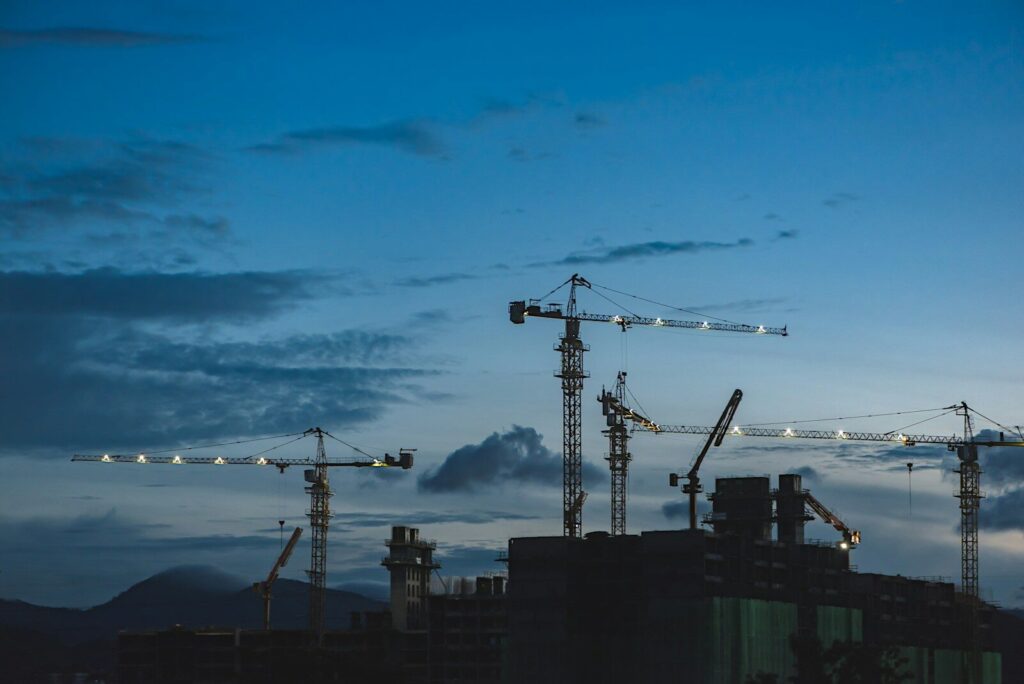
A construction site can change dramatically from one day to the next. New equipment arrives, structures take shape, access routes shift and teams move between different stages of a project. With so much activity happening at once, maintaining a safe working environment requires more than rules and protective equipment alone.
Technology and engineering are now playing an increasingly important role in helping construction businesses reduce risk. From smarter planning tools to modular safety systems and automated machinery, new approaches are making it easier to identify hazards early and protect workers throughout a project.
Wearable Technology Is Improving Site Awareness
Wearable devices are becoming increasingly useful on construction sites. Smart helmets, connected vests and location trackers can help monitor workers in areas where conditions may change quickly.
Some wearable systems can detect falls, unusual movements or exposure to excessive heat. Others can help managers understand where workers are located across a large site, making emergency responses quicker and improving coordination between teams.
The real value lies in having access to information as events unfold, rather than only investigating problems after an incident has occurred.
Drones Are Reducing the Need for Risky Inspections
Inspecting roofs, scaffolding and difficult-to-reach structures has traditionally required workers to physically access potentially hazardous locations. Drones are helping to change that.
Equipped with high-resolution cameras and other sensors, drones can survey structures, monitor progress and identify potential defects without placing people in unnecessary danger. They can also cover large sites quickly, giving project managers a clearer picture of changing site conditions.
This does not remove the need for hands-on inspection entirely, but it can significantly reduce unnecessary exposure to risk.
Modular Engineering Is Supporting Safer Installations
Another major trend is the increasing use of modular and prefabricated construction methods. Components can be manufactured in controlled environments before being transported to the site for installation.
This approach can reduce the amount of cutting, assembly and complex fabrication taking place in busy work areas. Modular safety systems can offer similar benefits. Components and fittings available through suppliers such as keesystems.com can help create practical structures and access solutions without relying on extensive on-site welding or highly disruptive installation processes.
By simplifying assembly, construction businesses can often improve consistency while reducing some of the hazards associated with traditional fabrication.
Digital Modelling Is Helping Teams Spot Problems Earlier
Building information modelling (BIM) has become an important part of modern construction planning. Digital models allow architects, engineers and contractors to visualise projects before major work begins.
From a safety perspective, this makes it easier to identify potential clashes, awkward access points and structural challenges during the planning stage. Teams can think carefully about how workers will move around a site, where temporary protection may be required and how different phases of construction could create new hazards.
Finding these problems digitally is usually much safer than discovering them once work is already underway.
Automation Is Taking Workers Away from Dangerous Tasks
Robotics and automated machinery are also beginning to take on tasks that are repetitive, physically demanding or potentially hazardous.
Machines can assist with activities such as demolition, material handling and surveying, allowing workers to remain at a safer distance. Automation can also improve precision, reducing the likelihood of mistakes caused by fatigue or repetitive manual work.
Engineering Safety into Every Project
Technology alone cannot create a safe construction site. Training, communication and responsible management will always matter. However, the latest tools and engineering approaches are giving construction companies more opportunities to design risk out of their operations.
By combining digital planning, intelligent monitoring, modular systems and automation, businesses can create safer working environments without sacrificing efficiency. As these technologies become more accessible, construction safety is likely to become increasingly proactive, with potential hazards being identified and addressed long before they lead to serious incidents.




