Why Navigation Technology Is the Real Secret Behind Modern Robot Mowers
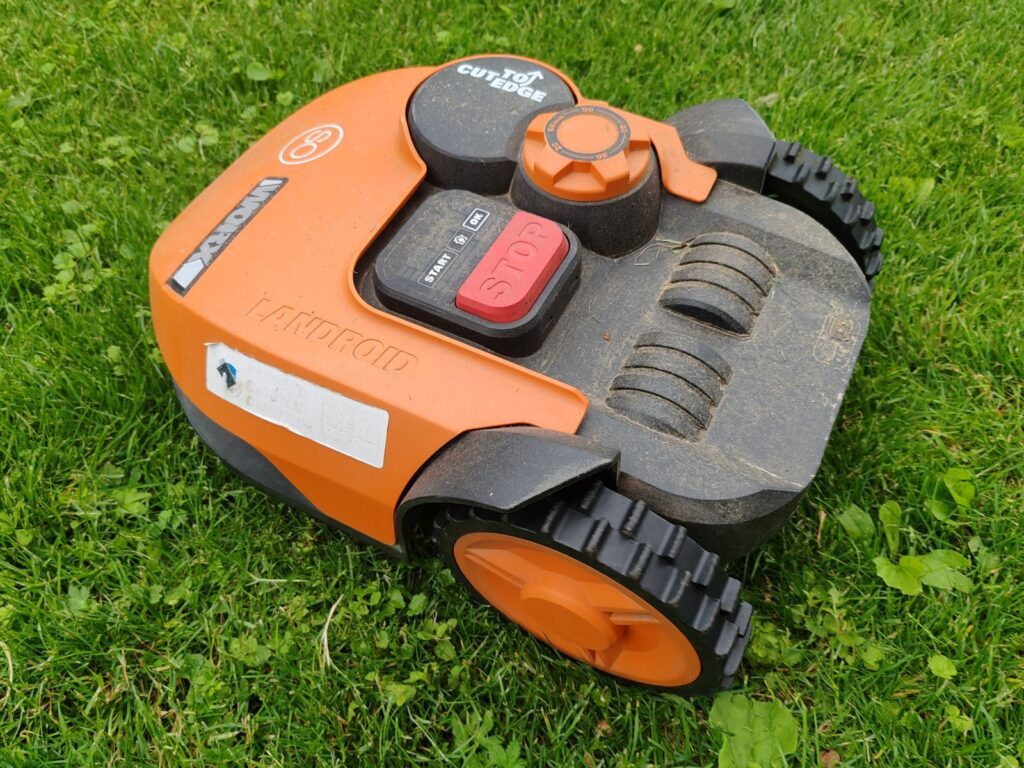
When people first look at a robot mower, they often focus on obvious specifications such as battery life, cutting width or mowing capacity. While these are certainly important, one area has evolved particularly rapidly in recent years: navigation technology. The way a robot mower moves around a garden has become one of the biggest factors influencing its overall performance, with advances in sensors, positioning systems and artificial intelligence transforming what these machines can achieve.
Rather than simply wandering randomly around a lawn, many of today’s robotic mowers make increasingly intelligent decisions about where to travel, how to avoid obstacles and how to cover complex gardens efficiently. As navigation technology continues to improve, robot mowers are becoming an excellent example of how consumer robotics is advancing through smarter software rather than simply more powerful hardware.
Early Robot Mowers Worked Very Differently
The first generation of robotic mowers relied heavily on random movement.
Although this approach eventually covered most lawns successfully, it was not always the most efficient method. The mower could revisit the same area several times before reaching another section of the garden, particularly in more complicated layouts.
For relatively simple gardens this worked surprisingly well, but larger or more complex spaces highlighted the limitations of purely random navigation.
As technology developed, manufacturers began introducing more sophisticated methods of guiding robotic movement.
Boundary Wires Changed Everything
Boundary wire systems represented a significant step forward.
Rather than allowing the mower to travel beyond the lawn, an underground wire defined the working area, giving the machine clear operating limits. Guide wires were later introduced to help the mower return to its charging station more efficiently and improve navigation through narrow passages.
Although installation required more planning, boundary wires allowed robot mowers to operate much more reliably in a wide variety of gardens.
Many systems still use this technology successfully today.
Satellite Positioning Is Becoming Increasingly Popular
One of the biggest developments in recent years has been the introduction of satellite-assisted navigation.
Instead of depending entirely on physical boundary wires, some robot mowers now use highly accurate positioning technology to understand their location within the garden.
This offers several advantages.
Installation can become considerably simpler, adjustments to mowing areas may be easier to make and navigation often becomes more systematic.
Rather than relying solely on repeated random movement, the mower can follow more organised cutting patterns that improve overall efficiency.
Cameras and Sensors Add Another Layer of Intelligence
Positioning technology is only one part of modern robotic navigation.
Many premium models now combine satellite positioning with cameras, ultrasonic sensors or other obstacle-detection systems.
These technologies allow the mower to identify objects before making contact with them, reducing unnecessary collisions while improving safety around trees, furniture, flower beds and play equipment.
Some systems even learn from repeated journeys, gradually improving their understanding of the garden over time.
This shift towards intelligent sensing reflects wider developments across the robotics industry.
Technologies Found in Modern Robot Mowers
Today’s robotic mowers may incorporate technologies such as:
- Satellite positioning.
- Boundary wire guidance.
- Camera-assisted navigation.
- Ultrasonic obstacle detection.
- Artificial intelligence.
- Mobile app integration.
- GPS location tracking.
Rather than relying on a single technology, many machines combine several systems to improve overall performance.
Artificial Intelligence Is Playing a Bigger Role
Artificial intelligence is becoming increasingly important within consumer robotics.
Instead of simply reacting to obstacles, some robot mowers analyse patterns, optimise routes and adapt their behaviour based on previous mowing sessions.
As processing power continues to improve, future machines are likely to become even more autonomous, requiring less manual configuration while delivering increasingly efficient coverage.
This reflects a much broader trend across smart home technology, where software intelligence is becoming just as valuable as physical engineering.
Garden Layout Still Matters
Even the most advanced navigation system must work within the environment it is given.
Gardens containing multiple lawn sections, narrow corridors, steep slopes or numerous obstacles naturally require more complex decision-making than large, open spaces.
Fortunately, improved navigation technology allows many modern machines to cope with these challenges far more effectively than earlier generations.
The result is greater consistency, fewer missed areas and less owner intervention.
Many consumers researching the latest robotic mowing technology through suppliers such as Ron Smith are now comparing navigation systems just as closely as traditional specifications like battery capacity or cutting width. As the technology continues evolving, intelligent navigation is becoming one of the most important features influencing long-term performance.
Software Updates Are Becoming More Valuable
Unlike traditional garden machinery, robot mowers increasingly benefit from software improvements after purchase.
Manufacturers regularly release updates that refine navigation algorithms, improve obstacle detection or enhance compatibility with mobile apps.
This means the mower’s performance may continue improving over time without any physical modifications.
The growing importance of software reflects the wider direction of smart technology across many consumer products.
Robotics Continues to Evolve
Robot mowers demonstrate how rapidly domestic robotics is advancing.
What began as relatively simple autonomous machines has developed into sophisticated systems capable of interpreting complex environments, making intelligent navigation decisions and integrating with wider smart home ecosystems.
As positioning systems, artificial intelligence and sensor technology continue improving, future generations are likely to require even less installation while delivering greater precision and efficiency.
Smarter Software Is Driving Better Performance
Battery technology and cutting systems remain important, but navigation has become one of the defining technologies behind today’s robot mowers. The ability to understand complex environments, avoid obstacles and optimise mowing routes is transforming how these machines operate.
For homeowners, this means more reliable lawn care with less intervention. For the wider technology sector, robot mowers provide an excellent example of how intelligent software, advanced sensors and autonomous decision-making are reshaping everyday consumer products. As these technologies continue to develop, robotic lawn care is likely to become even smarter, more efficient and increasingly accessible.




