Smartwatch Resale Study Reveals Huge Gap Between Tech Brands
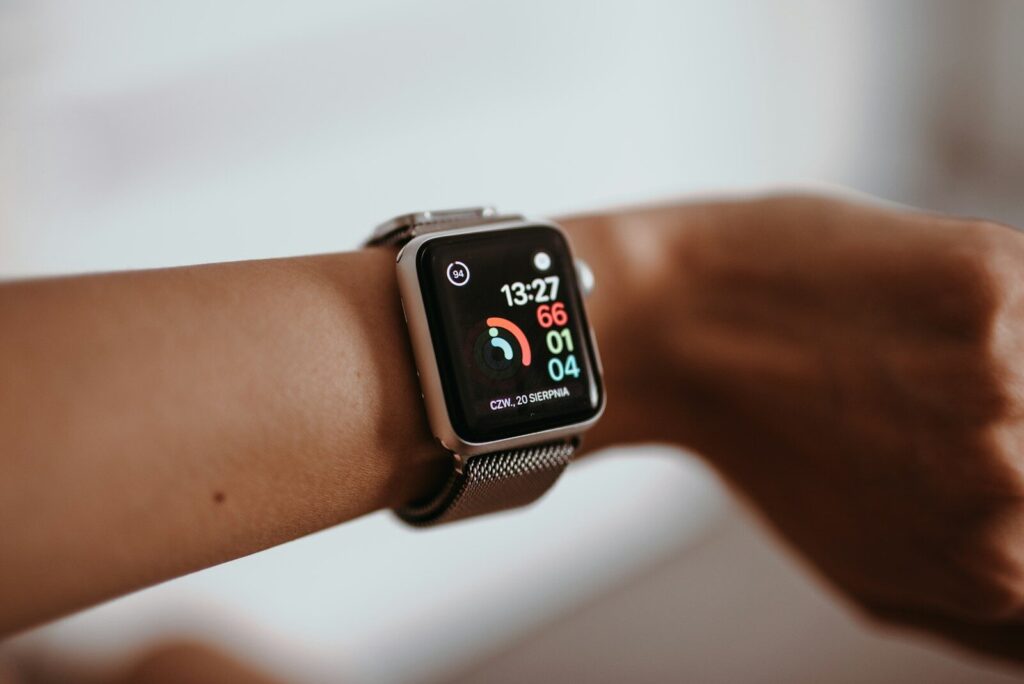
The rapid upgrade cycle in wearable technology is having a dramatic effect on second-hand prices, with new research finding some smartwatches lose up to 60% of their original value within six months.
An analysis by Wareable of 6,372 used smartwatch sales on eBay US found substantial differences in depreciation between manufacturers, with specialist sports watches generally proving better at retaining their value than mainstream smartwatch devices.
Across the market, budget models lost around 50% of their value during the first six months, compared with approximately 37% for premium smartwatches.
The financial loss can nevertheless be considerably greater for premium technology. High-end watches in the study had an average original price of $960 and depreciated by an average $307 over six months, while budget devices lost an average $133.
Garmin Leads Wearable Resale Market
Garmin emerged as the strongest major manufacturer for value retention, with its watches retaining an average 69% of their original price.
That compared with 58% for Apple and approximately 56% for Google.
Individual Garmin products also occupied several of the strongest positions in the research. The Forerunner 970 retained 74% of its value, followed by the Venu 4 and Fenix 8 at 72%.
However, the strongest individual device was the Coros Pace 4.
Originally launched at $249, the running watch achieved an average resale price of around $190 after six months, equivalent to 76% of its original value.
Wareable cautioned that the result was based on a comparatively small sample of 18 sales, meaning further data would be needed before firm conclusions could be drawn.
Apple’s Premium Strategy Pays Off
Apple was by far the most frequently traded smartwatch manufacturer in the dataset, accounting for 4,809 sales.
Its watches retained an average 58% of their original value, although there was a noticeable difference between its premium and lower-priced products.
The Apple Watch Ultra 2 retained 69% of its $799 launch price, selling for around $550 on the secondary market.
By comparison, the Apple Watch SE 3 retained approximately 50%.
The figures support a wider pattern identified by the research: premium wearable devices frequently retain a greater proportion of their purchase price than cheaper models.
Samsung Records Lowest Average Retention
At the opposite end of the table was Samsung.
The company’s watches retained an average of only 42% of their original price after six months, while all five of the worst-performing individual models in the study came from the Galaxy Watch family.
Even Samsung’s premium Galaxy Watch Ultra experienced substantial depreciation.
The $650 device retained around 44% of its original price after six months, equivalent to approximately $362 being wiped from its value.
While this represents a significant hit for people selling relatively new devices, rapid depreciation may also strengthen the appeal of the secondary market to consumers looking for premium wearable technology at considerably lower prices.
Specialist Wearables Challenge Annual Upgrade Cycle
The findings also highlight a potentially important difference between specialist wearable technology and multipurpose smartwatches.
Wareable Chief Editor Conor Allison said dedicated sports watches benefit from core functionality that remains relevant after new generations of hardware are introduced.
Features including GPS accuracy, battery endurance, fitness tracking and real-time mapping can continue to provide value for years, whereas mainstream smartwatches face more of the pressures associated with consumer electronics and smartphones.
Frequent product launches, incremental annual upgrades and promotional discounting can all reduce demand for previous-generation devices and accelerate depreciation.
The performance of Coros is particularly interesting in this context. The company only entered the consumer wearable market in 2018 but has developed a growing following among runners through its emphasis on battery life, sports functionality and competitive pricing.
For the wider wearable technology industry, the research suggests manufacturers may increasingly need to think beyond attracting buyers at launch.
As consumers become more conscious of sustainability, upgrade costs and the value of their existing devices, the strength of a smartwatch on the secondary market could become another important measure of brand loyalty and long-term product value.
Source: Wareable analysis of 6,372 used smartwatch sales on eBay US.




