Why cloud-first companies still need physical hardware
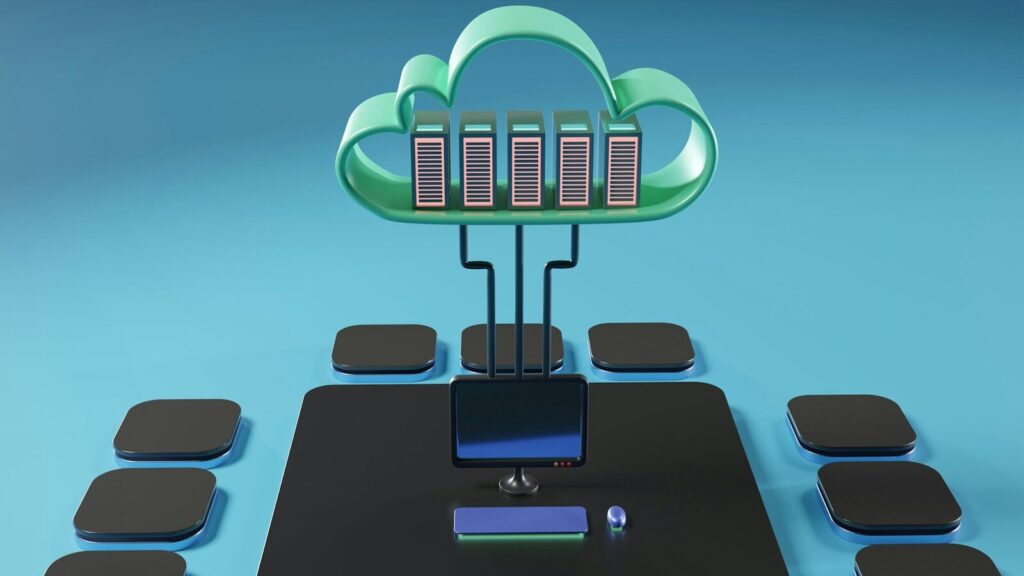
Moving to a cloud-first model doesn’t mean a company stops needing physical technology; it just changes where that hardware sits and who’s responsible for it. Understanding where the physical layer still matters helps avoid some uncomfortable surprises further down the line.
1. The Cloud Still Runs on Physical Infrastructure
“The cloud” is really just a convenient shorthand for servers, storage systems and networking equipment sitting inside real buildings somewhere, even when a business never sees or touches any of it directly. Microsoft’s own account of building one of its newest AI datacentres makes this concrete, describing facilities covering hundreds of acres, packed with server racks, cooling systems and enough networking cable to stretch for miles, all supporting the cloud services customers experience as a simple login screen. None of this means a typical cloud customer needs to own or manage that infrastructure themselves, but it’s worth remembering that every cloud service ultimately rests on a physical kit somewhere.
2, Employee Devices Remain the Bridge to Cloud Services
Whatever runs in the cloud, staff still need a physical laptop, desktop or phone to actually reach it, and each of those devices needs enrolling, configuring, securing and eventually replacing. A cloud-native endpoint might receive its applications and settings dynamically from the cloud rather than from a local server, but it’s still a physical object that can fail, get lost or need replacing in a hurry. When a laptop dies the day before a big presentation, or a new starter needs kit shipped to a remote location fast, the gap between “we’re cloud-first” and “someone still needs a working machine today” becomes very real, and a next-day delivery courier is often the most practical way to close it.
3. Cloud-First Does Not Always Mean Cloud-Only
Plenty of workloads still have requirements, low latency, local data processing, or data that has to stay on site that a purely public cloud setup struggles to satisfy. This is why many organisations combine cloud services with hardware kept on premises or at the edge. AWS Outposts is a good example of how this works in practice, offering managed cloud infrastructure installed in physical racks at a customer’s own site specifically to handle these kinds of workloads without giving up the benefits of the cloud entirely.
4. Physical Hardware Creates Its Own Management and Security Responsibilities
Any hardware a business owns or controls comes with its own set of obligations: knowing what devices exist, who’s using them, and where they are at any given time. The National Cyber Security Centre’s Cyber Assessment Framework treats asset management as a core principle precisely because an inaccurate device inventory makes it much harder to secure a network properly. Keeping that inventory current, controlling which devices are authorised to connect, and managing equipment through its full lifecycle, from procurement to eventual disposal, is unglamorous work, but it’s every bit as important as anything happening in the cloud itself.
Cloud-first is a really useful way to run a modern business, but it was never really cloud-only, and pretending otherwise tends to catch companies out at the worst possible moments. Recognising where hardware still matters, from the datacentre floor to the laptop on someone’s desk, is what makes a cloud-first strategy actually work in practice.




