6 Reasons Serious Lifters Never Train Without Wrist Straps
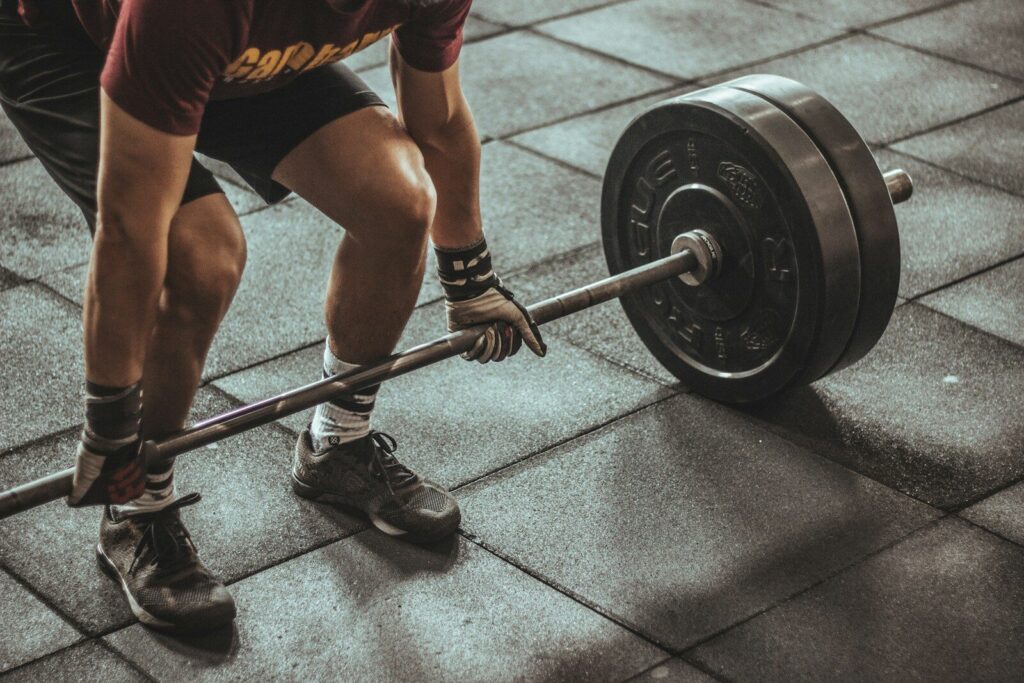
Before the legs, hips, or back reach their full potential, heavy pulling sessions frequently reveal grip limitations. That imbalance can cut sets short, reduce useful volume, and shift attention away from the muscles meant to do the work.
Serious lifters use wrist straps during demanding deadlifts, rows, shrugs, and high-volume pulls to maintain a secure connection with the bar. Straps do not replace grip training. They help each hard set produce the intended result.
1. They Keep Grip From Limiting Back Training
A lifter may have enough back strength for several more repetitions, but the set ends when the fingers begin to open. Wrist straps reduce that mismatch by helping the hands stay connected to the bar.
With that support, the lats, traps, and spinal erectors can complete more productive work. Training volume increases without turning every heavy set into a test of forearm endurance.
2. They Support Heavier Pulling Sets
Strength-focused sessions often use loads that challenge the hands before the primary movers reach their limit. Straps provide added security during heavy deadlifts, rack pulls, barbell rows, and shrugs.
Quality weightlifting lifting straps help keep the bar positioned securely while reducing excess effort in the fingers. When performing low-repetition sets, this support is especially helpful because grip failure may cause the lift to end before the targeted muscles can fully contract.
Straps do not create strength on their own. They help a lifter display strength built through consistent practice and disciplined programming.
3. They Improve Repetition Quality
Fatigue can alter technique before the lifter recognizes the change. As grip strength fades, the shoulders may roll forward, the bar may drift, or the torso angle may shift during rows and pulls.
Straps help preserve the original setup for more of the set. Improved control can support cleaner bar paths, steadier muscle loading, and more consistent repetitions. Each rep then offers clearer information about actual performance.
This advantage matters during hypertrophy training, where controlled tension and stable positioning often matter more than moving the heaviest available load.
4. They Reduce Unnecessary Forearm Fatigue
Forearm fatigue can affect more than one training session. Deadlifts, pull-ups, and carries later in the week may become less effective if heavy rows tire the hands early in the week.
Straps used during selected exercises can keep local fatigue under better control. The forearms still contribute, but they do not absorb every demand created by heavy pulling movements.
That approach helps distribute training stress with greater precision. Grip work can remain in the program through holds, carries, timed hangs, and strap-free warm-up sets.
5. They Help Maintain Focus Under Fatigue
Technical lifts require attention to breathing, bracing, tempo, and body position. A failing grip introduces another problem during an already demanding set.
Straps remove much of that distraction. Lifters can focus on driving through the floor, keeping the chest stable, or pulling the elbows through the proper path.
Mental focus often determines whether a difficult set stays controlled or becomes rushed. A secure connection with the bar supports better execution, especially during the final working sets.
6. They Protect Training Consistency
Progress relies on repeated exposure to productive training stress. Missing repetitions because of grip failure creates interruptions that may have little connection to the target movement.
Straps can reduce those interruptions and make demanding sessions more predictable. They are particularly useful during high-volume training blocks, challenging programs, and periods when back or hip strength develops faster than hand endurance.
Responsible use remains important. Lifters should inspect the material, secure each wrap correctly, and avoid using straps for every exercise. Equipment should support long-term progress, not replace foundational strength.
Conclusion
Wrist straps offer serious lifters a practical way to manage how pulling fatigue affects performance. They can preserve grip during heavy sets, improve technique, reduce forearm exhaustion, and keep attention on the intended muscles.
Grip strength still deserves direct training, but it does not need to limit every back or deadlift session. Used selectively and correctly, straps help lifters complete more productive repetitions while maintaining consistency through demanding training weeks.




