AI Wearables Are Becoming Personal Assistants – But Are We Sacrificing Privacy for Convenience?
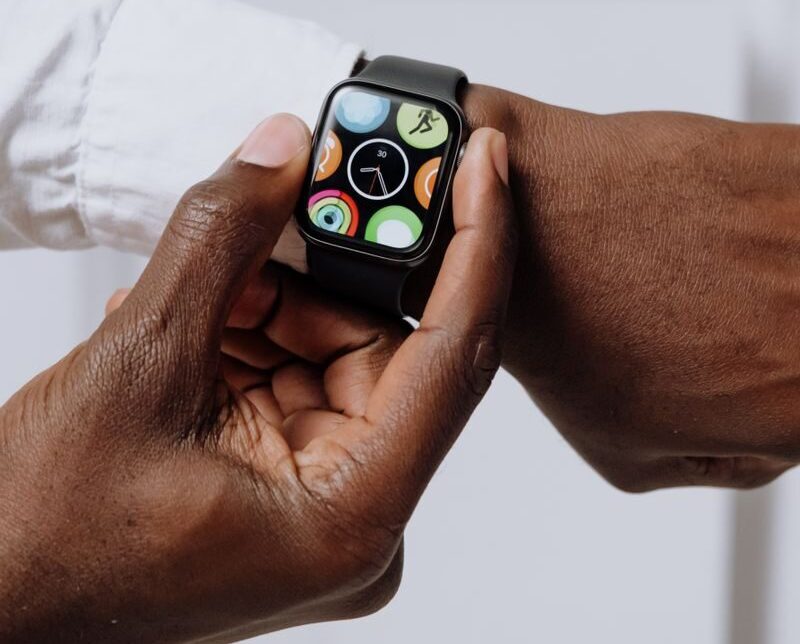
Artificial intelligence is transforming wearable technology from simple fitness trackers into increasingly sophisticated personal assistants capable of organising daily activities, recording conversations and making decisions on behalf of users. However, new research warns that the rapid development of these devices is raising serious questions about privacy, surveillance and access to personal information.
A new report from technology intelligence company GlobalData suggests that AI-powered wearables are entering a new phase, with manufacturers competing to bring intelligent assistance into almost every aspect of daily life.
From smart glasses and watches to rings, earbuds and clip-on devices, the latest generation of wearables is designed to do considerably more than monitor steps, heart rates or sleep patterns.
Instead, these devices are increasingly capable of interacting with users, interpreting their surroundings, accessing personal information and completing everyday tasks without requiring a smartphone.
However, GlobalData warns that the convenience offered by this technology comes with significant privacy implications, particularly when devices can continuously access microphones, cameras, conversations and sensitive personal data.
From Fitness Tracking to AI-Powered Personal Assistance
GlobalData’s latest report, AI is Moving Wearables from Personal Tracking to Personal Assistance, Raising the Stakes for Privacy, examines how artificial intelligence is changing the role of body-worn technology.
Where traditional wearables largely focused on collecting and displaying information, newer AI-enabled devices are increasingly designed to interpret that information and take action.
Depending on their capabilities, they may help users organise appointments, manage shopping lists, capture important information or receive personalised guidance throughout the day.
Amanda Mitchell, Senior Analyst – Telecoms Practice at GlobalData, explains:
“AI is moving wearables beyond tracking and toward acting on a user’s behalf. Depending on the device or AI agent, these new wearables can book a flight, shop for groceries, dictate a thought, rewind part of a conversation, or get personalized coaching without reaching for a phone. New AI-capable wearables are launching almost weekly, from smart glasses and rings to clip-ons and watches, making personal assistance one of the most important new use cases for body-worn devices.”
The shift represents a significant change in how consumers interact with technology.
Rather than opening an application and entering instructions manually, users may increasingly rely on devices that respond to voice commands, interpret context and provide assistance throughout the day.
For manufacturers, the opportunity lies in making AI services more accessible and integrating them into everyday routines.
Apple, Google, Samsung and Meta Compete for the Wearables Market
The growing interest in AI-powered wearables is attracting both established technology companies and newer businesses developing devices specifically around artificial intelligence.
Apple, Google and Samsung are expanding AI capabilities across their existing technology ecosystems, including smartphones, smartwatches and wireless earbuds.
These companies already have access to substantial consumer markets and established hardware platforms, potentially giving them an advantage as AI assistance becomes a more important feature.
Meta is also developing its wearable AI strategy, building on its smart glasses technology and exploring more personalised assistance through its Muse AI agent.
Smart glasses are particularly significant because they combine cameras, microphones and AI processing in devices that can be worn throughout the day.
This creates opportunities for hands-free assistance, including identifying objects, answering questions about surroundings and capturing information.
However, the ability to record or interpret the environment also introduces privacy concerns for people who may be nearby.
Meanwhile, companies such as Oura and WHOOP are concentrating on personalised health and wellbeing guidance, using information collected by wearable sensors to provide insights into sleep, recovery and physical activity.
The expanding range of products demonstrates that AI wearables are not developing around a single device category.
Instead, manufacturers are exploring different ways to make artificial intelligence continuously accessible.
AI Devices That Remember Conversations and Organise Daily Life
One emerging category involves AI-first devices designed specifically to capture information and help users manage everyday activities.
GlobalData highlights Amazon’s Bee, a device that can be worn on the wrist or clipped to clothing.
The technology is designed around organisational assistance, including capturing conversations and turning relevant information into reminders or other useful records.
Such devices could prove valuable for people managing busy schedules, attending meetings or trying to keep track of information throughout the working day.
However, the ability to capture conversations also raises important questions about consent and data protection.
Unlike a smartphone, which is usually visibly held or positioned when recording, wearable devices can be less obvious to people nearby.
This creates the possibility that individuals could be recorded without realising it.
The issue becomes particularly complicated in workplaces, public spaces and social situations where expectations of privacy may differ.
Are AI Wearables Becoming Too Invasive?
According to GlobalData, the rapid development of wearable AI technology is creating a growing tension between convenience and privacy.
Devices capable of providing highly personalised assistance may require access to extensive information about their users.
This can include email accounts, calendars, location information, health data, microphones and potentially private conversations.
The more information an AI assistant can access, the more useful it may become. However, that same access increases the potential consequences of data misuse, security breaches or inappropriate recording.
Mitchell warns that manufacturers may be prioritising rapid product development over sufficient privacy protections.
“That convenience raises a harder question about privacy. Smart glasses can record people who may not know they are being captured, while other devices can tap into microphones, health information, email, calendars, and conversations. Meta responded to consumer pressure by making the recording light on its smart glasses more tamper-resistant, but overall, the industry appears to be moving faster to launch new devices than to make them less invasive.”
The concerns extend beyond what manufacturers do with collected information.
Consumers must also consider how much data is stored, whether recordings are processed locally or in the cloud, who can access them and how long they are retained.
There are also questions about whether people who are recorded by someone else’s wearable device have any meaningful opportunity to consent.
European Regulators Begin Addressing Wearable AI Privacy Risks
Regulators are increasingly examining the implications of AI-enabled recording devices.
According to GlobalData, the European Data Protection Board called in October for recording indicators that are difficult to overlook, while emphasising that manufacturers cannot transfer all responsibility for privacy protection to device users.
This approach recognises that wearable technology can affect people who have not purchased, activated or agreed to interact with a particular device.
GlobalData also points to emerging bans and restrictions in countries including Norway and Australia, reflecting growing concerns about recording technologies in certain environments.
For UK consumers, the development of wearable AI raises questions about how existing data protection and privacy rules apply to increasingly sophisticated devices.
The UK General Data Protection Regulation and Data Protection Act 2018 provide important protections governing personal information, although the precise legal obligations depend on how and why information is collected and processed.
Businesses introducing AI wearables into workplaces may also need to consider employee privacy, confidential information and the potential recording of customers or colleagues.
The challenge for regulators will be ensuring that safeguards remain effective as technology becomes smaller, more capable and less noticeable.
What Should Consumers Consider Before Buying AI Wearables?
As AI-powered wearables become more widely available, consumers may need to look beyond product features and consider the information they are being asked to share.
Before purchasing or activating an AI wearable, users should examine several important issues:
- Camera and microphone access: Can recording features be switched off, and is it obvious to other people when recording is taking place?
- Data storage: Are recordings and personal information stored on the device or uploaded to external servers?
- Privacy controls: Can users delete recordings, restrict access to sensitive information and control what the AI assistant remembers?
- Third-party access: Is personal information shared with other companies or services?
- Security: What protections are in place to prevent unauthorised access to sensitive data?
- Workplace suitability: Could using the device result in confidential business conversations or information being recorded?
- Ongoing permissions: Does the device require continuous access to emails, calendars, health records or other personal accounts?
Consumers should also consider whether the benefits of a particular device justify the amount of personal information it requires.
A wearable designed to provide occasional reminders may not need the same level of access as one offering comprehensive personal assistance.
The Future of Wearable AI Will Depend on Trust
The development of AI-powered wearables represents another stage in the evolution of personal technology.
As devices become more capable, users may increasingly rely on artificial intelligence to organise their schedules, support their work, monitor their wellbeing and interact with the world around them.
For technology companies, this creates significant opportunities to develop new products, subscription services and personalised AI experiences.
However, the commercial success of these devices may depend as much on consumer confidence as technological performance.
Manufacturers will need to demonstrate that their products provide useful assistance without unnecessarily compromising the privacy of users or people around them.
Clear recording indicators, meaningful consent mechanisms, strong security protections and greater transparency over data processing could become increasingly important factors influencing purchasing decisions.
Mitchell concludes:
“Regulators in some places are starting to take notice, however. In October, the European Data Protection Board called for recording cues that are difficult to miss and said manufacturers cannot simply shift privacy obligations onto wearers, while bans and restrictions are emerging in countries such as Norway and Australia. Consumers will ultimately have to decide whether always-available assistance is worth giving AI that much access to their lives.”
The central question for the wearable technology industry is no longer simply what artificial intelligence can do.
It is whether consumers are comfortable allowing devices that accompany them throughout the day to access increasingly intimate details of their personal and professional lives.
As AI wearables become more intelligent and more widely adopted, the balance between convenience and privacy is likely to become one of the defining challenges for the next generation of consumer technology.
Source: GlobalData – AI is Moving Wearables from Personal Tracking to Personal Assistance, Raising the Stakes for Privacy.
Sources and References
GlobalData: https://www.globaldata.com/
European Data Protection Board: https://www.edpb.europa.eu/
Information Commissioner’s Office – UK Data Protection Guidance: https://ico.org.uk/