Smarter manufacturing: the role of reliable conveyor systems
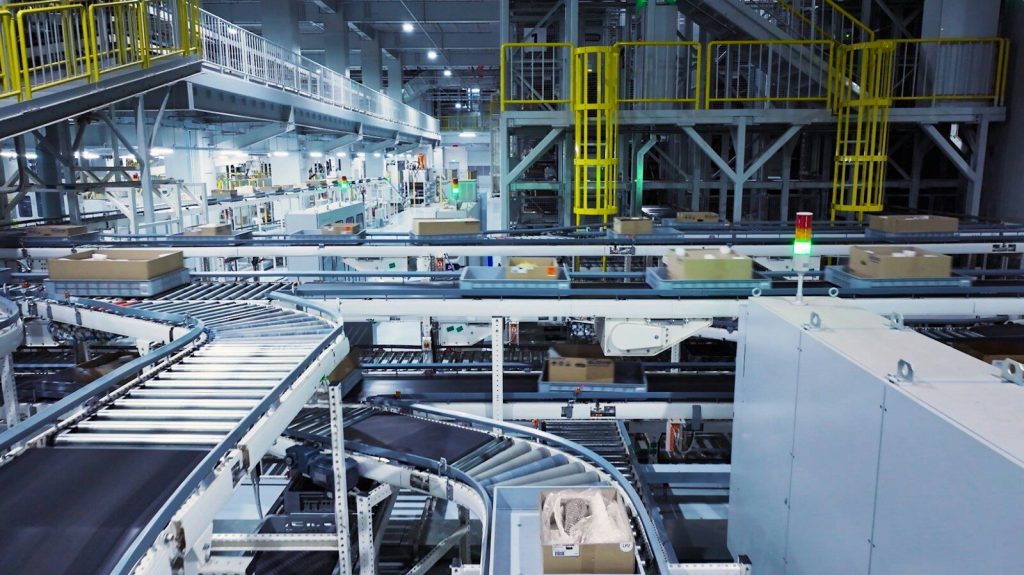
In today’s fast-paced industrial environment, smarter manufacturing is more than a trend, it’s a necessity. One of the central elements enabling this transformation is the use of advanced and reliable conveyor systems. From providing seamless automation to sustaining efficient production flows, conveyor technology is foundational in supporting the smart factories of tomorrow. Industrial businesses exploring improvements to their operations often assess the performance and durability of their conveyor belts. For those interested in robust solutions, there is a wealth of information available on rubber conveyor belts from LBS, offering insights into the construction and performance of modern systems.
The evolution of conveyor systems in manufacturing
Since the early days of the Industrial Revolution, conveyor systems have been pivotal in advancing manufacturing capabilities. Originally designed for simple material handling, their functionality has expanded significantly. With the rise of digitalization and Industry 4.0, conveyors have become increasingly interconnected, allowing seamless integration with robots, sensors, and production management systems. As a result, today’s conveyor systems are capable of a level of precision and automation previously unattainable. Collaborating with a leading conveyor belt manufacturer can help facilities identify the solutions best suited for their unique applications and adapt to rapid technological advances.
The evolution also involves materials and design. In the past, conveyor belts primarily relied on traditional materials, while current options offer enhanced resistance to wear, chemicals, and temperature extremes. With over 30 years of experience, LBS supplies plastic and rubber conveyor belts to customers in more than 32 countries. This extensive experience reflects the varied requirements of different industries and applications. This progress not only increases the lifespan of the systems but also improves production quality by minimizing unscheduled downtimes. Furthermore, advanced monitoring applications allow operators to detect maintenance needs proactively, reducing operational risks and further enabling smart manufacturing approaches.
How reliability enhances smarter manufacturing
Manufacturers striving towards smarter operations recognize that reliability is not a luxury but a fundamental requirement. Downtime, whether predicted or unexpected, can disrupt complex supply chains, compromise quality, and lead to significant financial losses. Modern conveyor systems are designed to deliver operational continuity through a combination of rugged construction, automated monitoring, and predictive maintenance features. As systems become more interconnected, the data generated by conveyors is leveraged to optimize scheduling, maintenance, and resource management.
Reliable conveyor belts play a crucial role in just-in-time and lean manufacturing strategies. Automated material handling eliminates bottlenecks, ensures consistent output, and frees up operators for higher-value tasks. When reliability is integrated into the design phase of a conveyor system, manufacturers can adjust to market demands with greater agility, maintain tighter process control, and reduce the environmental impact of their operations by minimizing waste and rework. These advancements collectively contribute to the foundational principles of smart manufacturing.
Adapting to new challenges and future trends
The demands on modern conveyor systems will continue to evolve as manufacturing sectors respond to changes in product variety, customization, and consumer expectations. Conveyor manufacturers are actively incorporating new technologies such as smart sensors, real-time data analytics, and flexible configurations that can adapt to both high-volume and highly specialized production lines. Cyber-physical systems and IoT-enabled conveyors are starting to appear on shop floors, providing real-time feedback and actionable insights that further amplify efficiency. Manufacturers who invest in the latest conveyor designs benefit from enhanced traceability, automated error detection, and improved resource allocation.
Additionally, sustainability is shaping the evolution of conveyor systems just as much as efficiency. Newer belts and drive mechanisms often prioritize energy efficiency and the reduction of environmental impact throughout the product lifecycle. Replacement components and system upgrades now tend to focus on ease of maintenance and recyclability, in line with growing sustainability standards in every sector. As the landscape of smarter manufacturing continues to shift, reliable conveyor systems will remain essential, supporting not only productivity and quality but also adaptability and environmental stewardship.