Will Hyperlocal Apps Replace Traditional Left Luggage Desks?

Mobile booking platforms are changing how travellers store their bags between hotel check-out and their next train or flight. Instead of searching for a staffed desk, people can now find nearby storage through an app, reserve a space and receive digital confirmation within minutes.
This model offers more locations and longer opening hours, but traditional desks still have advantages in busy transport hubs. The likely future is a mixed market in which digital networks handle everyday demand and established facilities serve travellers who value on-site service.
Legacy Cloakrooms Face Digital Disruption
Traditional left luggage desks were designed around predictable passenger flows. A traveller arrives at a station, joins a queue, pays at the counter and receives a paper claim check. The model is easy to understand, yet it depends on dedicated premises, fixed staffing levels and enough storage space to cope with peak periods.
Hyperlocal apps work differently. They connect travellers with participating hotels, shops, and other local businesses with suitable spare capacity. A booking platform handles discovery and payment while the local partner accepts and returns the bag. This can place storage closer to cafés, attractions and accommodation, rather than limiting it to an airport or major station.
Cost and convenience are driving the disruption. A conventional facility must cover rent, equipment, and staffing even during quiet hours. A space-sharing network can add or remove capacity without opening a new dedicated site. Industry comparisons of smart and traditional storage also show that digital access, remote management, and usage records are becoming key points of difference.
Legacy operators can still compete. Clear prices, advance reservations and live capacity information would remove several common frustrations. Stations could also combine staffed counters with self-service lockers, allowing employees to help families, older passengers and anyone whose booking needs attention while routine deposits move through a quicker digital route.
App Verification Replaces Paper Claim Checks
Paper tickets are simple until they’re lost, damaged or handed to the wrong person. App-based services can link a booking to an email address, payment record, collection code and time-stamped confirmation. Some providers may also ask the customer to show identification or confirm details with the storage partner before collection.
For travellers deciding where to store luggage in Sydney, an online service can show nearby options before they reach Central Station. That matters when hotel check-out is at 10 am but an evening departure leaves several hours to fill. The customer can compare opening times, confirm the booking and plan the rest of the day without carrying bags across the city.
Digital verification still needs a fallback. Phones run out of power, mobile data can fail and confirmation emails occasionally land in spam folders. Before leaving a bag, save the booking code as a screenshot, write down the venue address and check the collection deadline. Staff should also have a defined process for confirming a booking when customers can’t open the app.
Platforms must also plan for technical change. Microsoft’s guidance on software service deprecations illustrates why digital systems need to monitor updates and clear replacement timelines. A storage operator that relies on old sign-in tools or unsupported integrations could create delays at collection, precisely when a traveller has a train to catch.
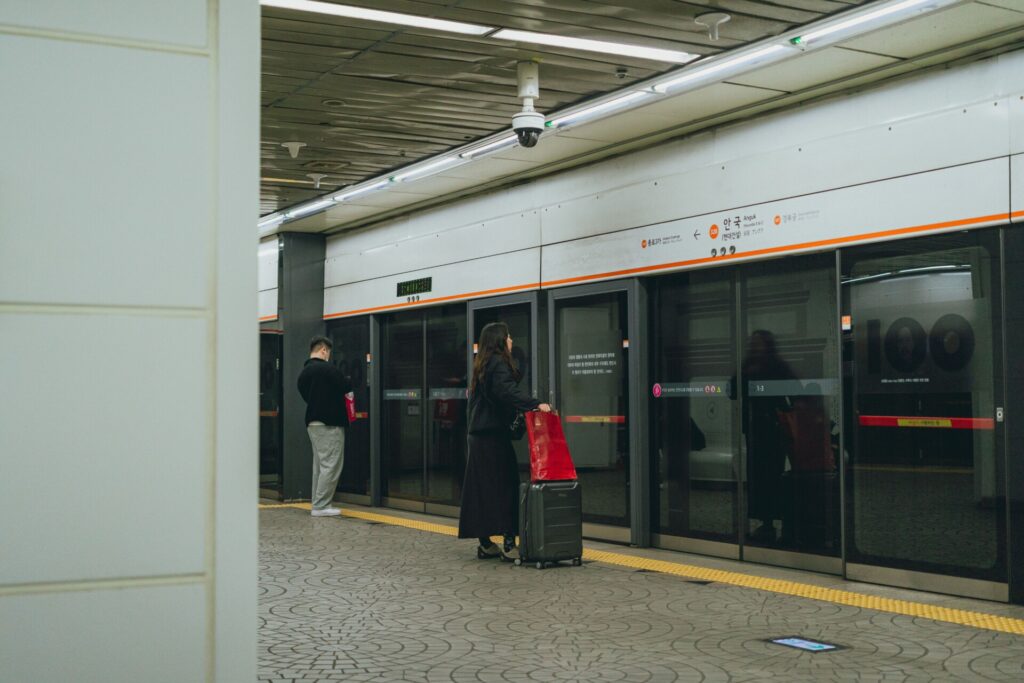
Solving First-Mile Baggage Challenges
The hardest part of short-term storage often occurs before the bag reaches the facility. A traveller may have to cross a large station, use stairs or walk several streets in unfamiliar surroundings. This first-mile problem is especially noticeable for parents with pushchairs, visitors with limited mobility and passengers carrying more than one case.
Hyperlocal coverage can shorten that trip. Imagine a visitor arriving at 8.30 am for a meeting that starts at 9.15 am. A traditional desk on the other side of a transport interchange might add 20 minutes to the route. A participating hotel two streets from the meeting venue could reduce the diversion to five minutes, leaving a useful margin for check-in.
Travellers should examine the full route before booking. A listing that appears close on a map may sit across a busy road, behind a station entrance or inside a building with restricted opening hours. Check these details:
- The walking distance from your actual arrival point
- Opening and collection times
- Any size or quantity limits
- Accessibility information
- The cancellation and late-collection policy
Hotels are also exploring smart luggage drop systems that combine controlled access with more flexible handling. Similar technology could support hybrid services at stations, visitor centres and accommodation sites. A staffed reception might accept unusual items during the day, while approved customers use a digital locker for early collection. The most useful innovation will reduce the distance, uncertainty and waiting time around the handover, not simply move the payment screen onto a phone.
Smarter Tourism Through Space Sharing
Short-term luggage storage shows how software can turn underused commercial space into a practical visitor service. A hotel may have a secure room that sits partly empty after the morning check-out period. A city-centre business may have staff present throughout the day and spare capacity away from customer areas. A digital marketplace can make those spaces visible when travellers need them.
For local businesses, the appeal includes an extra income stream and new footfall. Someone collecting a case from a café may buy lunch, while a visitor entering a hotel could return later as a guest. Cities may benefit when travellers can spend a free afternoon in shopping areas, museums or restaurants without pulling cases through crowded streets.
Growth needs sensible controls. Platforms should explain who is responsible at each stage, how they assess partners, and what happens if a booking changes. Data collection also deserves restraint. A service usually needs contact details, transaction information and a record that the bag was deposited and collected. It shouldn’t gather unrelated personal information simply because an app can capture it. The wider discussion around modern data protection controls underlines the need to test security claims and understand how information moves between systems.
Hyperlocal apps are unlikely to erase traditional desks everywhere. Large terminals can generate enough demand to support dedicated facilities, and visible staff remain valuable when plans go wrong. The stronger outcome is a connected network of staffed counters, smart lockers and verified local partners. Travellers will choose among them based on distance, opening hours, price, and confidence that their booking will still work at collection time.
The winner won’t be decided by whether storage happens behind a station counter or inside a nearby business. It will be the service that removes uncertainty from the few hours between arrival, check-in and departure.
Images – Pexels




