Beyond AI Training: Five Steps Employers Should Take to Build Tomorrow’s Workforce
- New research from INTOO points to the need for employers to develop their employees’ human judgement, creativity and communication skills in lockstep with technical AI capability.
- INTOO’s survey reveals that Gen Z believes human creativity and innovation must be prioritised in the AI-driven workplace.
Businesses across the UK are collectively making AI training and integration a key priority for staff, with many workers up and down the country now seamlessly using tools from CoPilot to Gemini to alleviate or speed up daily tasks.
This shift has happened quickly, and at the same time the pace at which AI is developing is almost too fast to monitor. With the advent of the ‘AI employee’ now a reality in many businesses, employability expert INTOO, which specialises in tailored career transition and employee development solutions for businesses and organisations across the nation, is urging employers to ensure equal investment is still made in crucial workplace human capabilities: communication, in person strategic discussion, active listening and conflict management.
In INTOO’s Future World of Work Report 2026, 1,000 respondents at UK organisations with 250+ employees were asked about how they saw the future of their workplace developing, what the risks and promises looked like to them and how they felt about the changing landscape with AI having such a major impact on the way we work. The findings were telling.
The report found that Gen Z place more emphasis on distinctly human skills: 27% cited ethical decision-making as important in an AI-driven workplace, versus 13% of Gen X; for creativity and innovation, the figures were 31% and 19%. Gen Z also reported more confidence in career support: 83% were confident their organisation provides effective tools and conversations for career management, compared with 67% of Gen X.
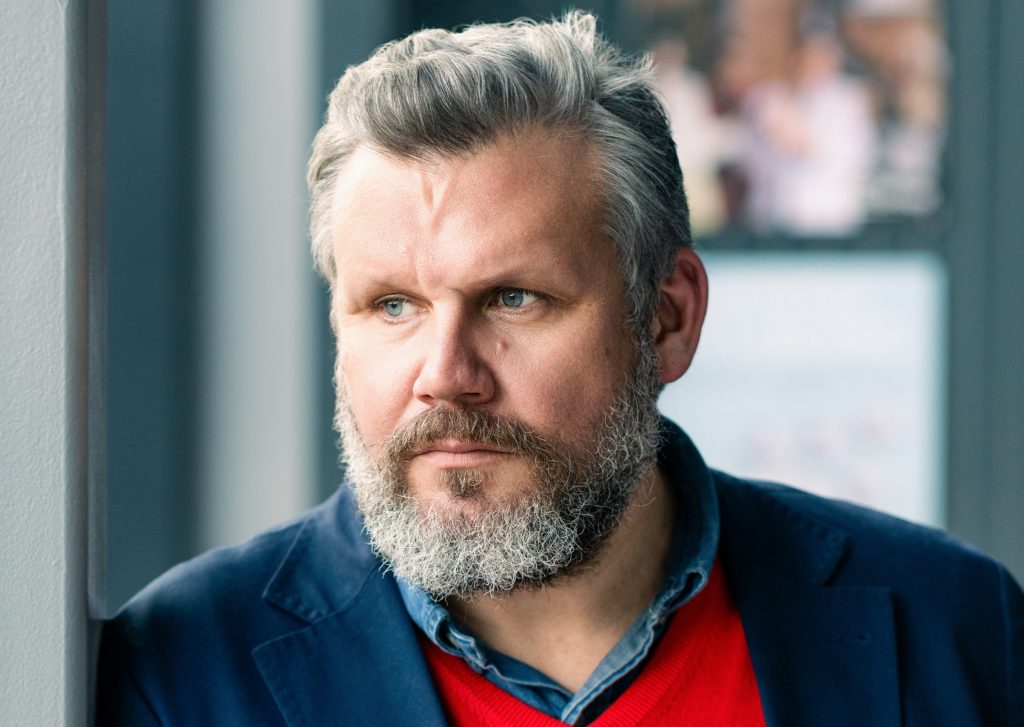
Matthew Collier, Business Development Director at INTOO UK & Ireland, said the report’s findings pointed to the need for employers, in all and every sector using AI in the workplace, to pause and reflect upon how their organisation is changing, and most importantly why and to what end.
He said: “Our Future World of Work Report this year has returned some very valuable data for companies integrating AI into their business plans and as we come to the close of 2026 and build our 2027 strategies, it feels like a very wise time to pause and reflect on how the advent of AI has already changed the places in which we work.
“We need to make sure we are not treating human skills as an optional extra – as our data shows, Gen Z in particular thinks distinctly human skills are crucially important in the workplace. It’s vital for the smooth running of almost every workforce that people feel heard, their skills are engaged and they can map a path to progression – even more so than ever before as the ‘AI employee’ starts to take on work previously done by humans. For those sat at the board room table or those in positions of leadership in HR and People teams, we’d encourage consideration of the following five steps.
- Get a handle on your organisation’s AI literacy
“Make sure AI is on the senior team’s/ leadership’s regular meeting agenda. Understand appropriate uses, limitations and safeguards for your business and communicate these messages across the whole business.”
- Champion critical thinking and ethical judgement
“As our survey shows, workers – especially younger workers – see ethical decision making as foundational to success in the age of AI for businesses. Look to lift up and champion critical thinking, respectful human debate and conversation wherever possible.”
- Invest in creativity and problem-solving skills
“Look to find training and ringfence time for purely creative outlets for your staff. In tandem, make space for problem-solving skills development. Encourage staff to define the problem, consider alternatives, and talk through the challenge rather than simply accepting the first output from AI. Have the face to face human to human conversation first, then see if AI can contribute, rather than the other way around.”
- Communicate, communicate, communicate
“Create a culture where employees feel comfortable to contribute their opinion, explain their decisions and challenge others’ points of view respectfully. Set the tone of explaining your decisions, listening and working through disagreements. This is always done best face to face, rather than through a screen or digital platform.”
- Adapt to flourish
“Successful teams will keep moving as the tech around us keeps developing. In the age of AI, we have to be as adaptable as we can possibly be. Look forwards to new uses and analyse where current integrations have or have not helped with the overall business aim(s). Test and learn with AI, rather than let it lead the way you do business.”
Matthew added that mapping out changing tasks, rather than job titles, was another practical and fair way to support a changing workforce. He said: “Taking all of the above advice on board will help HR leaders and employees alike to get the most out of their workforce and their work, but a simple golden rule for all teams is this: identify which tasks can be automated, which can be supported by AI and which require human ownership. Use this assessment to plan development and return to it regularly to make sure it still applies.
“Now is the perfect time to review workforce development plans, and see them through the lens of what work is changing, what human capabilities that work will require and how your people will get the time, support and experience to develop them.”
INTOO’s Future World of Work Report 2026 can be accessed here: https://www.intoo.com/uk/intoo-future-world-of-work-report-2026/
Part of Gi Group Holding, one the world’s largest and fastest growing HR and recruitment providers, INTOO offers tailored career transition and employee development solutions, designed to meet the specific needs and challenges of modern workforces.




