New data shows social leadership can beat AI and impact revenue growth
New data has cemented the Employee Influencer Effect and proved the power of a leader’s personal online presence when it comes to sales strategies and company growth.
A three-year research programme focused on employee online behaviour, based on the actions of their managers – and revealed that the companies with the most active senior leaders had more active teams, more robust strategies and better sales pipelines, with a clear correlation to sales.
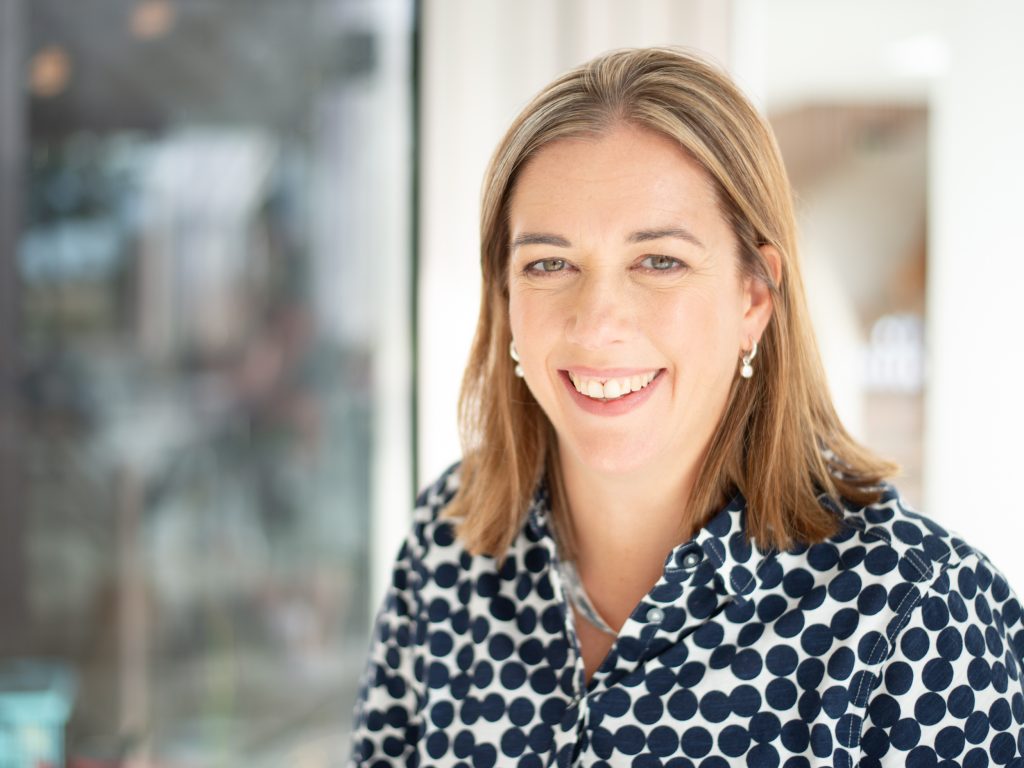
“Founder and leaders needs to be consistently active online,” says Sarah Goodall, founder of Tribal Impact, the company behind the research. “When leadership goes quiet, the data shows that employee activity follows within one to two months and also goes quiet. This leads to less engagement which is important, as our research went onto show that high employee activity on LinkedIn goes hand in hand with revenue growth.”
The company monitored 40 months of 860 company employees’ activity on LinkedIn and found a direct correlation: 80% of tracked companies showed that VP/ Director activity one month impacted employee activity the following month.
Companies with the most active VP and Director layer saw 4X the employee posting of those with the least active. The same comparison for the C-suite gives 2.6X – still impactful, but a lesser impact.
And a deep dive into 92 software and IT companies revealed that organisations with 15% or more of employees posting regularly on LinkedIn saw median revenue growth of 19%. Where fewer than 5% posted regularly, median revenue growth was under 5%. In IT services it was even more: organisations where at least one in 10 employees posted regularly grew almost three times faster than their peers (14% vs 5%).
The key element was that this activity was personal and consistent.
“We are in an era when AI is being used to reconfigure sales through generative content, so SDRs, research, qualification and outreach should work alongside human relationships and influence,” says Goodall, who has worked with Qlik, ABB, Pfizer and Henkel on their LinkedIn and sales strategies.
Tribal Impact’s work with these brands focuses on what it calls the Trust Economy, which relies on the personality, expertise and network of the people involved in an organisation, which has to be led by the people at the top.
Sarah advises that, as businesses operate on global scales, B2B buying committees have become larger, cycles have become slower, and marketing content has become more multi-layered. Decisions are made earlier through hidden networks and voices that are already trusted, not based on AI-led outreach and marketing and sales content.
“Large companies sometimes find it harder to get a high share of people posting, so it’s tempting to blame slower growth on the size of organisation, but our data suggests otherwise,” says Sarah. “Comparing companies of different sizes that post at the same rate showed that they grew at much the same pace. The large enterprises that have got their people visible, including Microsoft, AWS and Salesforce, are growing faster than their size would predict. The slower large firms are mostly the ones whose people are quiet.
“This applies to all – the Employee Influencer Effect is universal.”
Tribal Impact is a B2B trust consultancy that turns the influence of people into a measurable data driven growth engine. The team works with organisations all over the world to effect sales behaviours with clients including Qlik, ABB, Pfizer and Henkel.