How Energy Ratings Influence Buyer Decision-Making

Energy Performance Certificates have evolved from bureaucratic requirements into powerful decision-making tools that significantly influence buyer behaviour and property values across the UK housing market. What began as environmental compliance has transformed into a critical factor that affects everything from initial property shortlisting to final purchase negotiations and long-term satisfaction with home ownership.
Modern buyers increasingly understand the direct correlation between energy efficiency and ongoing living costs, making EPC ratings influential factors in property selection that rival traditional considerations like location and size. Rising energy prices have intensified this focus, with potential savings from efficient properties now representing substantial annual amounts that buyers factor into affordability calculations. Estate agents in Yorkshire report that energy ratings have become early filtering criteria for many buyers, with poor ratings immediately eliminating properties from consideration regardless of other attractive features.
The Economics of Energy Efficiency
Energy ratings translate directly into financial implications that savvy buyers calculate meticulously when evaluating properties. The difference between an A-rated and G-rated property can represent thousands of pounds annually in utility costs, making energy efficiency a measurable component of total ownership expenses.
Mortgage affordability calculations increasingly incorporate estimated energy costs, with some lenders considering energy efficiency when assessing borrowing capacity. Properties with poor energy ratings might limit borrowing potential if high estimated utility costs affect debt-to-income ratios that influence lending decisions.
Future-proofing considerations also influence buyer thinking, as energy efficiency regulations continue tightening and energy costs remain volatile. Buyers recognise that efficient properties provide protection against future cost increases and regulatory changes that might affect property marketability.
Generational Differences in Energy Awareness
Younger buyers demonstrate particularly strong sensitivity to energy ratings, often viewing efficiency as a moral imperative alongside financial consideration. This demographic grew up with environmental consciousness and expects homes to reflect sustainable values that align with their lifestyle priorities.
Millennial and Generation Z buyers frequently prioritise energy efficiency over traditional features like period character or garden size, representing a fundamental shift in property priorities that affects market dynamics. These buyers understand technology and appreciate modern efficiency measures that older generations might view with suspicion.
However, older buyers are increasingly recognising energy efficiency’s financial benefits, particularly those on fixed incomes who benefit significantly from reduced utility costs. This growing awareness spans demographics, making energy ratings universally important rather than niche considerations.
Market Segmentation and Price Sensitivity
First-time buyers often demonstrate the strongest energy rating sensitivity, as tight budgets make ongoing cost control crucial for affordability. These buyers frequently calculate monthly energy savings when determining maximum purchase prices, viewing efficient properties as enabling higher mortgage payments through reduced utility costs.
Luxury market buyers increasingly expect high energy ratings as standard features rather than optional extras, with poor efficiency ratings suggesting outdated building standards that detract from premium property positioning. Efficiency has become an indicator of quality and modernity that influences prestige property valuations.
Investment buyers particularly value energy ratings for their impact on rental yields and tenant attraction. Efficient properties command rental premiums whilst experiencing lower void periods, making energy ratings crucial factors in investment property selection and portfolio development.
Regional Variations and Climate Considerations
Northern regions with colder climates show heightened energy rating sensitivity, as heating costs represent larger proportions of household budgets compared to milder southern areas. Yorkshire’s climate makes energy efficiency particularly valuable, with buyers understanding the direct impact on winter heating bills.
Rural areas often demonstrate greater energy awareness due to limited heating fuel options and higher delivery costs that make efficiency crucial for affordability. Properties relying on oil or LPG heating face particular scrutiny regarding energy ratings and improvement potential.
Urban buyers might prioritise energy ratings differently, focusing more on air quality and environmental impact alongside cost considerations. Dense urban environments create different energy challenges that influence rating importance and buyer priorities.
Technology Integration and Smart Home Expectations
Modern buyers expect energy ratings to reflect technological sophistication, with smart thermostats, efficient appliances, and renewable energy systems enhancing property appeal beyond basic insulation and heating improvements. Technology integration suggests forward-thinking approaches that appeal to contemporary buyers.
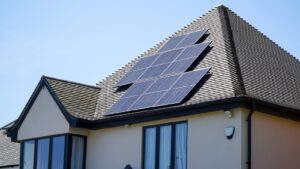
Solar panels and battery storage systems particularly attract environmentally conscious buyers seeking energy independence alongside efficiency. These features demonstrate commitment to sustainability whilst providing practical benefits that justify premium prices for discerning purchasers.
Smart home integration enables buyers to monitor and control energy usage, appealing to tech-savvy purchasers who appreciate data-driven approaches to household management. Properties offering these capabilities attract buyers seeking modern convenience alongside environmental responsibility.
Renovation Potential and Improvement Considerations
Buyers increasingly evaluate properties based on energy improvement potential rather than current ratings alone. Properties with obvious upgrade opportunities appeal to buyers willing to invest in efficiency improvements that enhance comfort whilst reducing long-term costs.
Planning permission considerations affect improvement potential, with buyers investigating whether efficiency upgrades require consents that might complicate or prevent desired improvements. Listed buildings and conservation areas present particular challenges that influence buyer decisions.
Cost-benefit analysis of potential improvements influences purchase decisions, with buyers calculating improvement costs against expected savings and value increases. Professional energy assessments help buyers understand realistic improvement potential and associated investment requirements.
Mortgage and Insurance Implications
Some mortgage lenders offer preferential rates for energy-efficient properties, making ratings relevant to financing costs alongside utility savings. Green mortgages provide additional incentives for efficient property purchases that appeal to environmentally conscious buyers seeking financial benefits.
Insurance considerations increasingly reflect energy efficiency, with some insurers offering reduced premiums for efficient properties that demonstrate lower risk profiles. Modern building standards and efficient systems suggest better maintenance and lower claim risks that benefit property owners.
Future regulatory compliance affects mortgage availability and insurance costs, with inefficient properties potentially facing restrictions or additional requirements that influence long-term ownership costs and property marketability.
Marketing and Presentation Strategies
Estate agents must prominently display energy ratings and associated cost estimates to meet buyer expectations and facilitate informed decision-making. Poor ratings require explanation and improvement suggestions to maintain property competitiveness in efficiency-conscious markets.
Energy efficiency features deserve highlighting in property descriptions, with specific systems and recent improvements prominently mentioned to attract environmentally aware buyers. Photography should showcase efficiency features like solar panels, modern boilers, and insulation improvements.
Comparative analysis helps buyers understand energy ratings in context, with market area averages and similar property comparisons helping position individual properties appropriately within competitive landscapes.
Valuation Impact and Price Adjustment
Energy ratings increasingly influence property valuations, with significant rating differences justifying price adjustments that reflect ongoing cost implications. Valuers must consider efficiency when determining market values that accurately reflect total ownership costs.
Negotiation leverage often centres on energy ratings, with buyers using poor efficiency to justify reduced offers or request improvement contributions from sellers. Efficient properties command premium prices whilst inefficient ones face discounting pressure that reflects their higher operating costs.
Market evidence demonstrates clear value premiums for efficient properties, with A and B-rated homes achieving higher prices per square foot compared to less efficient alternatives. This premium reflects buyer willingness to pay more for properties offering long-term cost savings.
Future Trends and Regulatory Development
Minimum energy standards continue evolving, with future regulations likely requiring higher efficiency levels for property sales and rentals. Buyers anticipate these changes when evaluating properties, considering future compliance requirements alongside current performance.
Net-zero commitments influence buyer expectations, with many seeking properties that contribute to environmental goals through efficient operation and renewable energy integration. This trend will intensify as climate awareness continues growing and government policies promote efficiency.
Technology advancement promises improved efficiency monitoring and control, with buyers expecting properties to accommodate future innovations that enhance performance and reduce environmental impact. Forward-thinking buyers prioritise properties positioned for technological integration.
Professional Guidance and Expert Input
Energy consultants provide valuable guidance for buyers evaluating efficiency improvement potential and associated costs. Professional advice helps buyers make informed decisions about properties requiring efficiency upgrades whilst understanding realistic improvement timelines and investment requirements.
The most successful property transactions involving energy considerations benefit from early professional input that identifies opportunities and challenges before purchase completion, enabling buyers to make informed decisions that align with their efficiency expectations and budget constraints.