Why ID cards are still relevant with the new digital ID
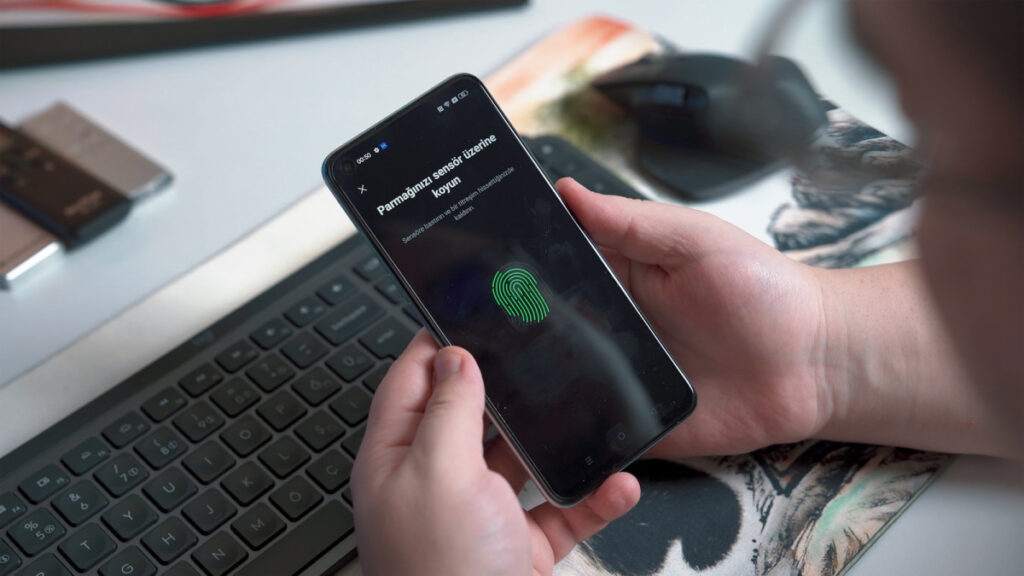
With the rollout of the new digital IDs beginning to be gradually rolled out, it’s easy to assume that the need for physical IDs is soon going to be essentially useless. But that simply isn’t the case.
ID cards in the physical sense aren’t going anywhere, and they remain as relevant as ever, even with the rollout of new digital systems. But what makes physical IDs so relevant? And why should I still carry physical ID cards even once digital IDs have been completely rolled out?
This is our guide to why ID cards aren’t going anywhere, even as digital IDs are expected to become more commonplace.
Why are physical IDs so beneficial?
Whilst the convenience of only carrying around your phone might seem like a game-changer, there are some serious benefits of physical ID cards that just cannot be replicated by digital IDs.
For example, physical IDs can be used even when you’re not connected to the internet, or if your device is out of battery, meaning you can verify your identity wherever and whenever, without having to rely on a secondary device.
There’s also a reduced risk of data theft when it comes to carrying physical IDs. It’s no secret that phone theft has skyrocketed in recent years. If your ID is on your phone, it makes it a lot easier for thieves to access and possibly distribute your most sensitive identification information.
So why do physical ID cards remain essential?
Despite benefits like a reduced risk of data theft and not having to rely on internet connectivity, there are a number of other reasons that ID cards are firmly here to stay.
These are some of the reasons we can’t see physical ID cards going anywhere anytime soon, even with digital IDs on the rise.
The digital divide
The digital divide is essentially unequal access to different types of technology, and if we begin to rely solely on digital IDs, the digital divide will only get worse. There are a number of individuals across the UK, in particular, the older generations, who might not have smartphones or internet access (or they have no idea how to use them), and without a physical ID, they will be unable to prove their identity.
Physical IDs are critical for making sure the digital divide doesn’t worsen in the coming years, and allow for these individuals who don’t have access to this kind of technology to access government services.
Privacy concerns
Now more than ever, people are more careful with their online information and online privacy, and some individuals might not want to have a digital ID due to privacy concerns.
Whilst the proposed digital ID is designed to be secure, keeping a physical ID can help reduce these concerns for individuals who are worried about their sensitive information being stored digitally.
You can use them offline
There are a number of places across the country that may not have the infrastructure for digital IDs to work at their best. Whether this is due to spotty service, a lack of internet connection or due to an emergency or extreme weather event.
But physical IDs aren’t just beneficial for remote areas. Think about every time you’ve been in a crowded area, like a concert or music festival, and you’re without a stable internet connection. Now imagine you have to prove your age or provide identification at one of these events. With just a digital ID, you may not be able to provide that information, which can put a serious dampener on your event.
Having the ability to prove your identity without needing an internet connection or stable phone service isn’t just convenient, it’s critical.
Technology isn’t perfect
There’s always a risk of system failures or power outages that can make it impossible for you to access your digital ID, and without a physical ID, there’s no way to prove your identity.
By having a physical ID card, you remove the reliance on technology, whilst a digital ID is a ‘nice to have’, a physical ID card is an absolute must-have.
Physical IDs are here to stay
If you thought it was the end of the physical ID, you’d have thought wrong. Whilst digital IDs will make for a convenient fix if you’ve forgotten your physical ID, ID cards definitely aren’t going anywhere.
Their ability to be used by everyone, if there’s a system failure and even offline, makes them a critical aspect of identification that we definitely won’t be saying goodbye to any time soon.