How UK Vertical Farms Are Changing Food Production
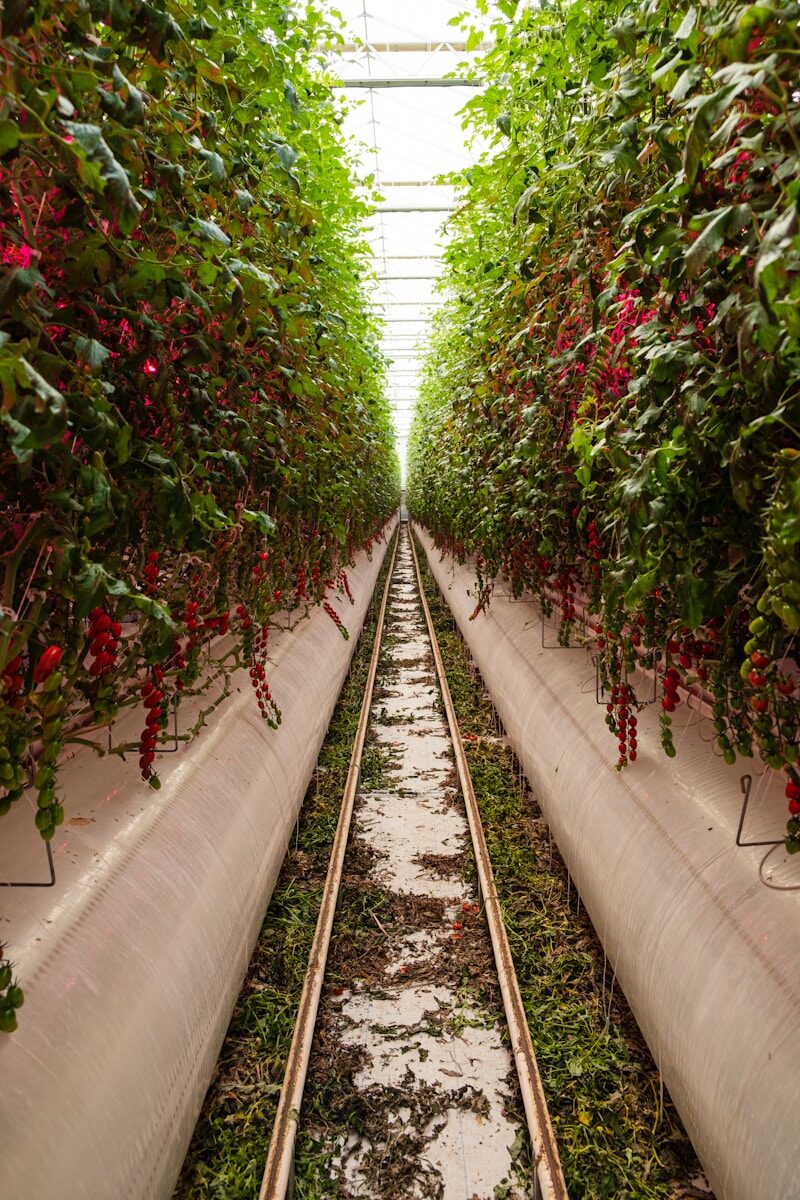
Vertical farming has gone from a fringe concept to a genuine part of the UK’s food supply chain, with commercial operations producing tonnes of leafy greens and herbs every week for major supermarkets. Let’s take a closer look at how these facilities work, what’s driving them forward and where the sector is heading.
From Shipping Containers to Industrial-Scale Output
The UK’s vertical farming sector has grown quickly. Tristan Fischer began growing short-leaf greens in a shipping container in 2016 before formally establishing Fischer Farms in 2017. By late 2023, the company had opened a 25,000m² facility in Norfolk, described as the world’s largest vertical farm. That site produces leafy salads, herbs and microgreens for UK retailers year-round.
Jones Food Company followed a similar path, opening farms in Scunthorpe and Gloucestershire. By early 2024, JFC was producing around 1.3 tonnes of produce per day, supplying herbs and salads to Ocado and Asda. However, the company entered administration in April 2025, showing that scaling profitably remains the sector’s biggest challenge. Other players like Harvest London continue to operate, and Italian firm Planet Farms has announced a £25m investment in a new UK site.
How LED Lighting and AI Keep Crops Growing 24/7
What makes vertical farming possible is precision control over every variable a plant needs. Instead of sunlight, crops grow under LED arrays tuned to specific wavelengths. Red and blue spectrums drive photosynthesis, while other frequencies influence leaf size, flavour and growth speed.
AI-driven climate systems manage temperature, humidity and CO₂ levels in real time, adjusting conditions rack by rack. The result is consistent output that doesn’t depend on the weather, with harvests running 365 days a year.
The Materials Behind UK Vertical Farming
The infrastructure inside these farms has to perform in a demanding environment. Growing trays, water channels and structural supports are exposed to constant moisture, hydroponic nutrient solutions and frequent cleaning, so every component needs to be food-safe, chemical-resistant and built for continuous use.
Polypropylene is one of the most common plastics used here. It meets food-contact requirements, holds up against hydroponic chemicals and can be thermoformed into custom shapes. For growing trays and water management components, extruded polypropylene sheet is a commonly specified option because it ticks all three boxes. HDPE and PVC are also used depending on the application.
Energy, Costs and Government Backing
Energy consumption is the most common criticism aimed at vertical farms. Running LED lights, HVAC systems and conveyors around the clock uses a lot of electricity. But operators like Fischer Farms run on renewable energy, and modern LEDs deliver far more output per watt than earlier systems. Vertical farms also use up to 95% less water than conventional agriculture, so the resource picture is more nuanced than the energy bill suggests.
The UK government’s Farming Innovation Programme has committed at least £200m up to 2030, with £123m allocated for 2026/27. That funding isn’t exclusively for vertical farming, but it supports the controlled-environment agriculture these operations rely on.
What Vertical Farming Means for UK Food Security
The UK grows just over half of its vegetables domestically, at around 53-56% in recent years according to Defra. During winter, herbs and salad crops are imported from Spain and North Africa, leaving supply chains exposed to disruption.
In early 2023, cold weather in Spain and heavy rains in North Africa disrupted winter harvests, and several major UK retailers temporarily rationed items like tomatoes, peppers and lettuce. Vertical farms can produce these crops locally, all year round. That won’t replace traditional agriculture, but it will reduce reliance on imported salad leaves, herbs and microgreens.
The Economics Still Need to Catch Up
UK vertical farming has made real progress, but it hasn’t been smooth. The collapse of Jones Food Company showed that even well-funded operations can struggle to reach profitability. Energy costs, capital expenditure and competing on price with field-grown imports remain serious hurdles.
The companies still operating are refining their models. Fischer Farms has pivoted towards equipment manufacturing through its new Fischer Farms Technology division, aiming to cut production costs globally. UK agritech raised £367m in 2025, its strongest fundraising year on record. Vertical farming won’t feed the entire country. But for salad crops, herbs and leafy greens, it’s becoming a credible year-round alternative to imports. The technology works. The question is whether economics can keep up.